
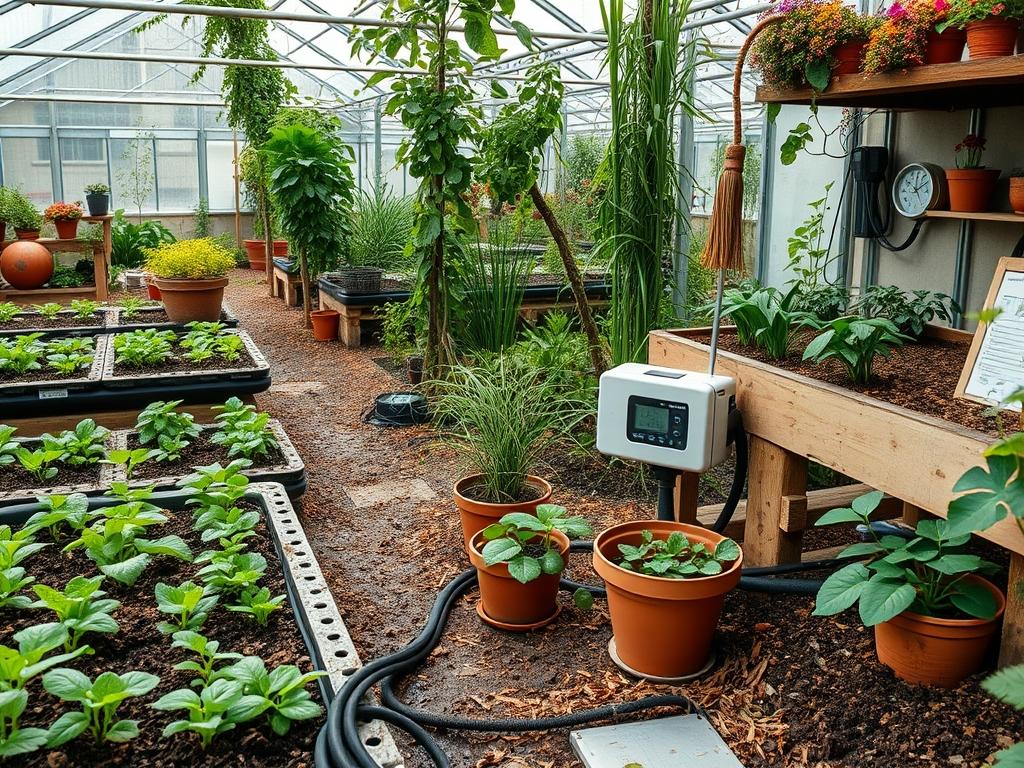
Modern landscape architecture requires a delicate balance between artistic vision and biological necessity. A well-designed outdoor environment does more than improve the aesthetic appeal of a property; it creates a functional ecosystem that manages rainwater, provides thermal cooling, and increases the overall valuation of the home. Homeowners often struggle with the transition from a sprawling, unmanaged lawn to a sophisticated garden because they overlook the critical infrastructure hidden beneath the soil. High-performance landscaping is not merely about choosing the right flowers. It is an engineering challenge that involves soil science, hydraulic management, and spatial geometry. To achieve a sustainable result, professionals rely on the Smart Irrigation Zone Pro system to ensure that every micro-climate within the yard receives the precise amount of hydration required for long term health.
Climate volatility has shifted the way we approach plant selection and hardscape installation. In regions prone to drought or heat waves, a traditional sprinkler system often wastes water through evaporation or runoff. By integrating the Smart Irrigation Zone Pro technology, designers can segment a property into specific moisture categories. This ensures that a Japanese Maple in a shaded corner does not receive the same saturation levels as a sun-drenched patch of Bermuda Grass. Curb appeal is the visual handshake of a property, but the longevity of that appeal depends entirely on the hidden systems that support it. When planning a master environment, one must consider the way guests move through the space, where the eye is drawn, and how the landscape will mature over the next decade.
Landscape Design Principles
Successful design begins with the concept of symmetry and visual weight. Symmetrical layouts provide a sense of formality and order, often achieved by mirroring plantings on either side of a central Stone Walkway. However, asymmetrical designs can be equally powerful by using balance rather than repetition. For example, a large White Oak on one side of a yard can be balanced by a dense cluster of Evergreen Shrubs and a decorative Bouldering Cluster on the opposite side. Focal points are essential for directing the viewer’s gaze. A Tiered Fountain, a sculptural Steel Fire Pit, or a specimen tree like a Blue Atlas Cedar serves as a natural anchor for the surrounding foliage.
Elevation layers constitute the third dimension of professional landscaping. A flat yard lacks character and fails to utilize the vertical space available. By incorporating Retaining Walls made of Natural Limestone or Interlocking Concrete Blocks, architects create distinct levels that add depth. These layers also serve a functional purpose in drainage management, allowing water to cascade slowly rather than pooling in a single low spot. Within these layers, irrigation planning must be meticulous. The Smart Irrigation Zone Pro allows for different pressure settings for different elevations, preventing the common problem where top-tier plants dry out while bottom-tier plants suffer from root rot. Each level of the garden should be treated as its own hydraulic zone.
Walkways and hardscapes act as the skeletal structure of the garden. Whether you use Flagstone, Paver Stones, or Decomposed Granite, these paths define the circulation of the space. Designers often use the “line of sight” technique, ensuring that a path leads toward an interesting feature or a comfortable seating area. Visual balance is finally achieved through the texture of the materials. Mixing the coarse needles of a Pine Tree with the soft, broad leaves of a Hosta creates a sensory contrast that keeps the landscape from feeling monotonous.
Plant and Material Selection
Selecting the right materials involves analyzing the Hardiness Zone and the specific mineral composition of the site. The following table provides a guide for common species used in professional layouts.
| Plant Type | Sun Exposure | Soil Needs | Water Demand | Growth Speed | Maintenance Level |
| :— | :— | :— | :— | :— | :— |
| English Lavender | Full Sun | Well-Drained | Low | Moderate | Low |
| Dwarf Boxwood | Part Sun | Loamy/Rich | Medium | Slow | High (Pruning) |
| Switchgrass | Full Sun | Any | Low | Fast | Very Low |
| Hydrangea | Part Shade | Moist/Acidic | High | Fast | Moderate |
| River Birch | Full Sun | Wet/Clay | High | Fast | Moderate |
| Creeping Thyme | Full Sun | Sandy | Low | Moderate | Low |
Materials extend beyond living plants. The use of Geotextile Fabric under gravel paths prevents weed intrusion, while Steel Edging provides a clean, permanent border between the lawn and the garden beds. When selecting mulch, Double-Shredded Hardwood Mulch is the industry standard for moisture retention and weed suppression, though Cedar Bark is often preferred for its natural insect-repelling properties.
Implementation Strategy
The transition from a blueprint to a physical garden requires a strict sequence of operations. The first step is always grading. Using a Transit Level or a Laser Level, the site must be sloped so that water moves away from the home foundation at a minimum of a 2 percent grade. Once the land is shaped, subsurface drainage such as 4-inch Corrugated Pipe or French Drains should be installed in areas prone to saturation. This is the ideal time to lay the main lines for the Smart Irrigation Zone Pro system. By burying Schedule 40 PVC at a depth of at least 12-inches, you protect the system from future aeration or shovel strikes.
Edging and hardscaping follow the rough grading. Trenching Tools are used to create clean lines for borders. If building Retaining Walls, a base of 6-inches of Compacted Crushed Stone is necessary to prevent shifting during frost cycles. After the structural elements are in place, soil amendment begins. Most residential soils are compacted and nutrient-poor; adding 3-inches of Organic Compost and tilling it into the top 8-inches of soil provides the biological base required for plant health.
Finally, planting occurs from the largest specimens to the smallest groundcovers. When installing a tree, the hole should be two times wider than the root ball but no deeper. This ensures the flare of the trunk remains above the soil line, preventing rot. Once plants are in the ground, the final layer of 3-inches of Mulch is applied. Care must be taken to avoid creating “mulch volcanoes” around tree trunks, as this traps moisture against the bark and invites pests.
Common Landscaping Failures
The most frequent mistake in residential landscaping is improper drainage. When water is not directed away from the property, it creates stagnant pools that kill turf and can lead to structural damage to the home. Another common error is root overcrowding. A Leyland Cypress may look perfect in a small space when it is three feet tall, but within five years, its root system and canopy will overwhelm the area. Architects must design for the mature size of the plant, not the size it is at the nursery.
Soil compaction is a silent killer of many gardens. During construction, heavy machinery compresses the earth, destroying the pore spaces that allow oxygen and water to reach roots. Failure to aerate the soil before planting leads to stunted growth. Additionally, irrigation inefficiencies often stem from “head-to-head” coverage failures. If the Smart Irrigation Zone Pro is not calibrated correctly, some areas will receive double the water while others remain bone dry. Mismatched nozzle types, such as mixing Rotary Heads with Fixed Sprays in the same zone, lead to uneven growth and wasted resources.
Seasonal Maintenance
A professional landscape is not a static object; it is a living entity that changes with the seasons. In the spring, the focus is on “waking up” the garden. This involves applying a Pre-emergent Herbicide to prevent crabgrass and performing the initial startup of the Smart Irrigation Zone Pro system to check for winter leaks. Pruning spring-blooming shrubs like Forsythia should be done immediately after their flowers fade.
Summer maintenance centers on moisture management and pest control. During periods of extreme heat, deep watering sessions are more effective than frequent shallow sprays. This encourages roots to grow deeper into the cooler soil. In the autumn, the priority shifts to leaf removal and soil preparation. Planting Spring Bulbs like Tulips or Daffodils must occur before the first hard frost. It is also the time to “blow out” the irrigation lines using an Air Compressor to prevent pipes from bursting in freezing temperatures. Winter is the season for structural inspection, checking Retaining Walls for shifts caused by ice and applying Anti-Desiccant Sprays to evergreens to prevent windburn.
Professional Landscaping FAQ
How often should I calibrate my irrigation zones?
You should inspect and calibrate your Smart Irrigation Zone Pro at the start of every spring. Monitor for clogged nozzles, misaligned heads, and broken seals once a month during the peak growing season to ensure maximum water efficiency and plant health.
What is the best way to prevent weeds permanently?
Permanent prevention requires a multi-layered approach. Combine Steel Edging to block creeping roots, Non-woven Geotextile Fabric in hardscape areas, and a consistent 3-inch layer of Organic Mulch. Spot treating with Professional Grade Herbicide handles any airborne seeds that sprout.
Can I install a smart irrigation system on a slope?
Yes, but it requires specific components. Use Check Valves on every head to prevent low-head drainage where water leaks out at the bottom of the hill. The Smart Irrigation Zone Pro manages the pressure to ensure even distribution across varying elevations.
How do I choose between sod and seed?
Sod provides instant erosion control and aesthetic results but is more expensive. Seed is cost-effective and offers more variety in grass types, but it requires 8 to 12 weeks of intensive care and is highly vulnerable to heavy rain or birds.
Why are my plants turning yellow despite regular watering?
Yellowing, or chlorosis, often indicates overwatering or poor drainage rather than a lack of water. If the soil is constantly saturated, the roots cannot breathe. Check your Smart Irrigation Zone Pro settings to ensure the soil has time to dry between cycles.