
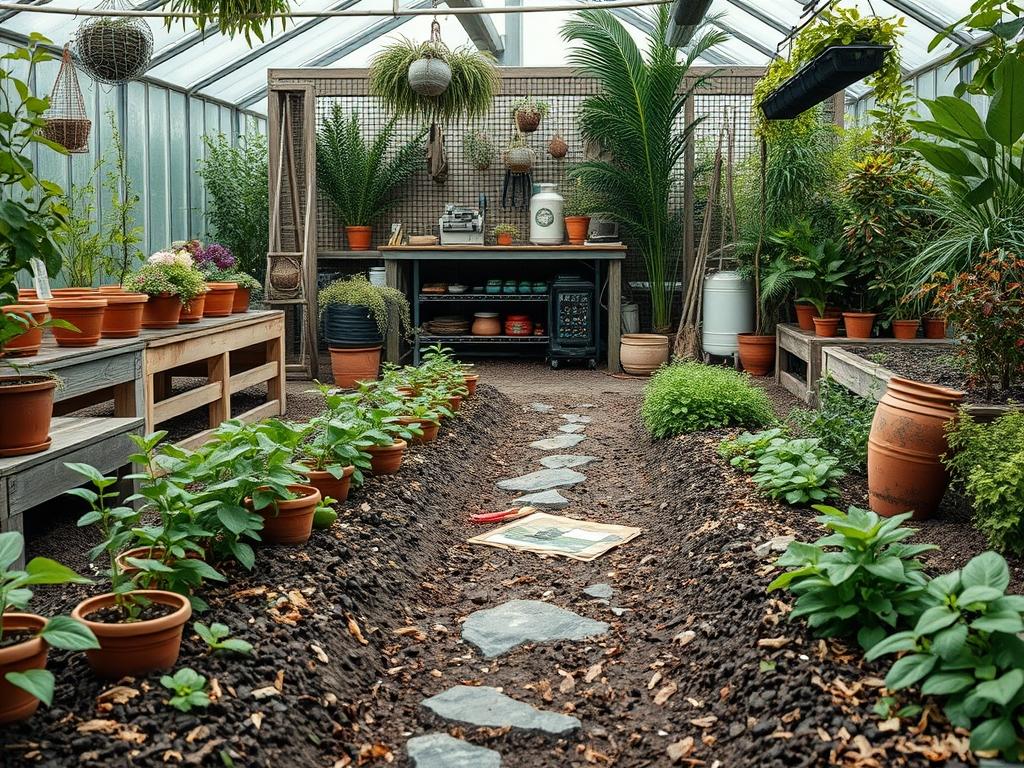
Modern landscape architecture has evolved beyond the simple placement of shrubs and turf. Today, a successful outdoor environment requires a sophisticated marriage of biological health and technological resilience. The greatest challenge facing property owners in fluctuating climates is the maintenance of high level curb appeal while adhering to strict water conservation standards. Achieving long term vitality in a garden depends on the consistency of hydration, yet traditional timers often fail due to localized environmental quirks or mechanical breakdown. To solve this, the implementation of a Smart Irrigation Mesh has become the gold standard for high end residential and commercial projects. This fault tolerant approach ensures that if one sensor or node loses connectivity, the rest of the network continues to relay data, preventing the catastrophic loss of expensive specimens during a heatwave. By prioritizing a self healing communication network, designers can guarantee that every microclimate within the property receives the exact gallonage required for peak health.
Landscape Design Principles
Effective garden planning begins with the establishment of symmetry and focal points that guide the eye through the space. A well designed landscape should feel like an outdoor room, punctuated by structural elements like retaining walls and pergolas. To achieve this, we use the principle of elevation layers, placing taller specimens such as Skyline Honey Locust trees at the periphery to provide privacy and a sense of enclosure. Middle layers usually consist of perennial shrubs that offer seasonal color, while the foreground is reserved for low growing groundcovers or polished river stone.
When integrating a Smart Irrigation Mesh, the civil engineering of the site must happen concurrently with the aesthetic design. We map out the property into specific hydrozones, grouping plants with similar water needs together to maximize efficiency. Visual balance is maintained by mirroring plant groupings across axial walkways, ensuring that the hardscape and softscape work in tandem. Proper irrigation planning requires a deep understanding of the site’s topography; water naturally migrates to low points, meaning your mesh network must include moisture sensors at several different elevations to prevent both root rot in the valleys and desiccation on the slopes.
Plant and Material Selection
Selecting the right materials is the difference between a garden that matures gracefully and one that requires constant replacement. Below is a guide for common selections in a resilient, smart managed landscape.
| Plant Type | Sun Exposure | Soil Needs | Water Demand | Growth Speed | Maintenance Level |
| :— | :— | :— | :— | :— | :— |
| English Boxwood | Full Sun to Part Shade | Well drained, loamy | Medium | Slow | Moderate (Pruning) |
| Lavender (Munstead) | Full Sun | Sandy, alkaline | Low | Medium | Low |
| Japanese Maple | Part Shade | Rich, slightly acidic | Medium High | Slow | Moderate |
| Blue Fescue | Full Sun | Poor to average soil | Low | Medium | Low |
| Hydrangea Macrophylla | Part Shade | Moist, porous soil | High | Fast | High |
| Creeping Thyme | Full Sun | Well drained | Low | Fast | Low |
For hardscaping, we recommend permeable pavers or decomposed granite for paths. These materials allow water to infiltrate the soil rather than creating runoff, which supports the moisture sensors within your Smart Irrigation Mesh by maintaining a more natural soil profile. For mulch, a 3 inch layer of shredded cedar or pine bark is essential to regulate soil temperature and minimize evaporation.
Implementation Strategy
The transition from a blueprint to a living garden requires a strict sequence of operations. It begins with grading, the process of leveling or sloping the ground to ensure water moves away from the foundation of the home. Once the subgrade is established, we install the primary PVC mainlines for the irrigation system. In a fault tolerant mesh setup, this involves laying redundant signal wires or ensuring that wireless gateways have a clear line of sight across the property. Node placement should follow the “rule of overlaps” where each sensor falls within the range of at least two other units to maintain the mesh integrity.
After the infrastructure is subterranean, we define the edges of the beds using steel edging or poured concrete curbs. This prevents the migration of lawn grasses into the ornamental beds. When planting, the holes should be dug twice as wide as the root ball but no deeper, ensuring the flare of the trunk remains above the soil line to prevent rot. Once the plants are in the ground, we install the drip emitters or low flow nozzles directly according to the hydrozone map. Finally, the Smart Irrigation Mesh is calibrated. This involves testing the flow rate of each zone and syncing the moisture sensors with the central hub, allowing the system to bypass scheduled watering if recent rainfall has already saturated the soil to the target 12 inch depth.
Common Landscaping Failures
The most frequent mistake in modern landscaping is improper drainage. Without a French drain or a designated swale, water can pool against the house or drown the root systems of expensive conifers. This issue is often compounded by soil compaction, where heavy machinery used during construction crushes the soil pores, preventing oxygen and water from reaching the roots. To fix this, we often recommend mechanical aeration or the incorporation of organic compost to restore soil structure.
Root overcrowding is another silent killer of curb appeal. While a garden may look lush on delivery day, many installers place plants too close together for immediate impact. Within three years, these plants compete for the same nutrients and water, leading to stunted growth. Furthermore, relying on a “dumb” irrigation timer is a recipe for failure. These systems often run during rainstorms or fail to activate during a localized drought. A Smart Irrigation Mesh mitigates this by providing real time feedback, alerting the property manager via a mobile app if a lateral line is leaking or if a specific valve has failed to open.
Seasonal Maintenance
Landscape management is a year round commitment that changes with the tilt of the earth. In the Spring, the focus is on “awakening” the garden. This involves removing winter debris, applying a balanced 10-10-10 fertilizer, and testing every node in the Smart Irrigation Mesh to ensure no lines were cracked by freezing temperatures. Pruning should be done before the new growth hardens, especially for ornamental grasses and summer flowering shrubs.
During the Summer, maintenance shifts to water management and weed control. This is the period where the fault tolerance of your mesh network is most critical. If a sensor fails, the system should automatically reference the nearest functional node to calculate the watering needs of that zone. Autumn is the time for planting new trees and bulbs, as the cooler air and warm soil encourage root development. Finally, in Winter, the irrigation system must be winterized. This involves using an air compressor to blow all water out of the lines, preventing expansion and bursting. Even while the plants are dormant, the smart system can continue to monitor soil temperature and moisture to provide data for the upcoming growing season.
Professional Landscaping FAQ
What is the primary benefit of a Smart Irrigation Mesh?
It provides redundancy and precision. Unlike traditional systems; a mesh network uses multiple interconnected nodes to ensure that signal loss in one area does not stop the delivery of water to the rest of your landscape.
How deep should I install my irrigation lines?
Mainlines should typically be buried at least 12 to 18 inches deep to protect them from shovel strikes and frost. Lateral lines for individual zones can be slightly shallower; usually around 8 to 12 inches.
Can I retrofit an old garden with a smart mesh system?
Yes. Modern mesh technology often uses wireless, battery powered nodes that communicate via radio frequency or Bluetooth. This allows you to upgrade your irrigation efficiency without digging up your entire established garden or existing flagstone patios.
How much mulch is too much for a planting bed?
You should never exceed a 4 inch depth. Piling mulch too high; especially against the trunks of trees (often called “volcano mulching”); traps moisture against the bark and encourages fungal infections and pest infestations that can kill the tree.
Why is drainage important for my smart sensors?
If water pools around a sensor due to poor grading, the sensor will report a saturated state and shut off the water. This can lead to “false positives” where the surrounding plants actually need water but the system remains inactive.