
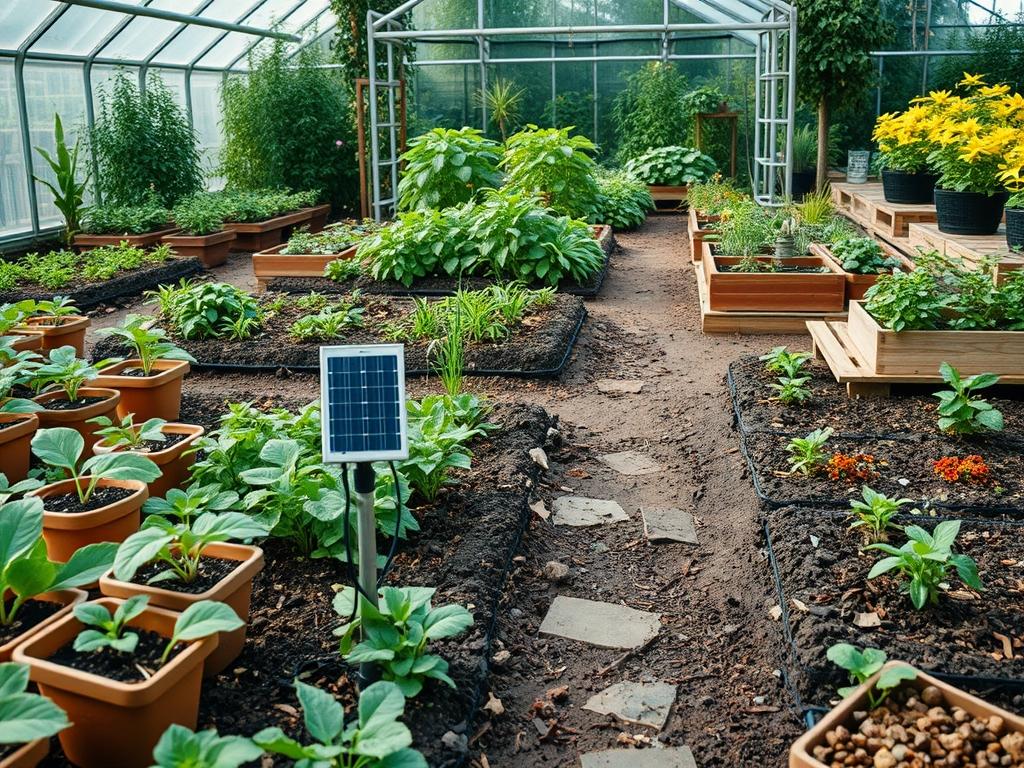
Creating a functional outdoor environment requires a delicate balance between aesthetic ambition and technical precision. Modern property owners no longer view the backyard as a simple patch of grass; it is now an extension of the living space, requiring sophisticated management of light, water, and soil health. The integration of Solar Powered Sensor Logic represents the pinnacle of this evolution, allowing a landscape to respond dynamically to environmental changes without the need for complex, invasive wiring. When planning a high-end landscape, architects must consider how climate variables, such as fluctuating precipitation and sunlight exposure, affect the longevity of the design. A well executed plan enhances curb appeal while ensuring that the ecosystem remains sustainable through varying seasons. By utilizing autonomous systems to monitor moisture levels and ambient light, a designer can create a space that breathes and evolves, reducing human error and resource waste.
Landscape Design Principles
Professional landscape architecture begins with the concept of spatial hierarchy. Every successful garden requires a clear focal point, whether it is a mature Specimen Tree, a structural Retaining Wall, or a custom water feature. This focal point anchors the eye and provides a sense of purpose to the surrounding elements. Symmetry and visual balance play crucial roles in how a visitor perceives the scale of the environment. Formal gardens often rely on bilateral symmetry to project order and prestige, while informal designs use asymmetrical balance to mimic the natural flow of a woodland or meadow.
Elevation layers are perhaps the most overlooked aspect of residential design. By incorporating Terraced Beds and varying heights, a designer can create depth in a flat yard. This is often achieved through the installation of Stone Retaining Walls at a height of 18 inches to 36 inches, which provide both structural support and seating opportunities. Irrigation planning must be integrated into the initial layout to ensure that high-demand zones receive adequate hydration. Solar Powered Sensor Logic thrives in this environment by utilizing Soil Moisture Sensors to trigger automated drip systems only when the root zone reaches a specific dryness threshold. This prevents the common mistake of overwatering, which can lead to fungal pathogens and root rot.
Walkways serve as the circulatory system of the landscape. Using materials like Flagstone or Pavers, these paths should lead the observer through different “rooms” of the garden. A width of at least 36 inches is recommended for secondary paths, while primary walkways should be 48 inches or wider to allow two people to walk side-by-side. Along these paths, lighting placement is critical. By employing Solar Path Lights, a property owner can illuminate these routes using stored energy, with sensors triggering illumination at dusk and reducing output during late night hours to conserve energy.
Plant and Material Selection
Choosing the right biological components is the most critical step in ensuring the garden remains vibrant. Designers must look at the specific microclimates within a single yard. A north-facing wall may be permanently shaded, while an open southern exposure will bake in the afternoon sun. The following table provides a selection of versatile plants suitable for various landscape roles.
| Plant Type | Sun Exposure | Soil Needs | Water Demand | Growth Speed | Maintenance Level |
| :— | :— | :— | :— | :— | :— |
| Japanese Maple | Partial Shade | Well-Drained | Moderate | Slow | Low |
| Lavender | Full Sun | Sandy/Dry | Low | Medium | Seasonal Pruning |
| Hostas | Full Shade | Rich/Moist | High | Fast | Low |
| Switchgrass | Full Sun | Varied | Low | Fast | Annual Cutback |
| Boxwood | Partial to Full Sun | Loamy | Moderate | Slow | High (Shearing) |
| Creeping Thyme | Full Sun | Well-Drained | Low | Medium | Minimal |
Material selection extends beyond plants to the hardscape and ground covers. Dark Double-Shredded Bark Mulch is a standard for moisture retention, but River Rock or Crushed Granite may be more appropriate for high-drainage areas or modern xeriscaping. When selecting Timber for pergolas or decks, Pressure-Treated Pine or Cedar are preferred for their resistance to rot and insect infestation.
Implementation Strategy
The transition from a blueprint to a living garden requires a disciplined implementation strategy. The process begins with site preparation, specifically Grading. A professional must ensure the ground slopes away from the home foundation at a rate of at least 2 percent, or a 1-inch drop for every 4 feet of distance. This prevents water from pooling against the structure. Once the Grade is established, the installation of Drainage Tile or a French Drain may be necessary in areas where the soil is heavy with clay.
Next, the layout is marked using Lumber Crayons or Surveyor’s Tape. Before a single hole is dug, the placement of large structural elements like Trees and Boulders must be finalized. When planting, the hole should be twice as wide as the root ball but no deeper. Placing a plant too deep can suffocate the roots, while planting too shallow can lead to desiccation. Once the primary plants are in the ground, an Edging Tool is used to create a crisp border between the lawn and the planting beds.
The integration of Solar Powered Sensor Logic occurs during the final stages of the installation. Solar Panels for irrigation controllers should be placed in areas receiving at least 6 hours of direct sunlight. These units connect to Solenoid Valves that manage water flow based on real-time data. Finally, a layer of Organic Mulch of at least 3 inches is spread across the beds to suppress weeds and regulate soil temperature.
Common Landscaping Failures
The most frequent failure in professional landscaping involves poor drainage management. When water is allowed to stagnate, it deprives soil of oxygen and creates an anaerobic environment that kills even the hardiest Native Plants. Many contractors fail to account for the runoff generated by hard surfaces, leading to erosion and the loss of expensive Topsoil.
Root overcrowding is another common error. Designers often plant for “instant impact,” placing Shrubs too close together without considering their mature spread. Within five years, these plants compete for light and nutrients, leading to stunted growth and a cluttered appearance. Proper spacing, as dictated by the specific species, is essential for long-term health. Soil compaction is the silent killer of urban landscapes. Heavy machinery used during construction compresses the earth, destroying the pore spaces required for root penetration. Using a Core Aerator and incorporating Organic Compost can help mitigate this issue.
Lastly, irrigation inefficiencies account for significant financial loss. Traditional timers often run during rainstorms, wasting thousands of gallons of water. By utilizing Solar Powered Sensor Logic, the system can bypass scheduled watering if it detects sufficient soil moisture, ensuring that every drop of water is used effectively.
Seasonal Maintenance
Landscape management is a year-round commitment that changes with the tilt of the earth. In the Spring, the focus is on renewal. This is the time to apply Slow-Release Fertilizer, prune away winter die-back from Roses, and refresh Mulch layers. It is also the best time to calibrate Solar Sensors to ensure they are cleaned of winter grime and positioned for the strengthening sun.
Summer maintenance centers on hydration and weed control. During periods of extreme heat, the Solar Powered Sensor Logic systems are vital, as they can trigger short cooling bursts of water during the hottest part of the day if the system supports it. Mowing heights for Turfgrass should be raised to 3.5 inches to shade the soil and protect the root crowns.
Autumn is the season for preparation. Perennials should be cut back, and Fall-Blooming Bulbs like Crocuses can be planted. This is also the time to blow out irrigation lines in colder climates to prevent freezing. During Winter, maintenance is largely structural. Protecting Evergreens from heavy snow loads and checking the integrity of Retaining Walls after freeze-thaw cycles ensures that the hardscape remains intact for the following year.
Professional Landscaping FAQ
How does Solar Powered Sensor Logic improve irrigation?
It uses Photo-Sensors and Moisture Probes to analyze environmental data. The logic prevents watering during rain or when soil is saturated, optimizing water use and ensuring plant health without manual intervention or tethered electrical sources.
What is the best depth for mulch in a new bed?
A depth of 3 inches is ideal for most applications. This thickness provides adequate weed suppression and moisture retention without suffocating the plant roots or preventing oxygen exchange within the upper soil layers.
Why are native plants preferred for modern designs?
Native Plants are adapted to local climate and soil conditions. They require less supplemental water, few chemical fertilizers, and provide essential habitats for local pollinators, making them the pillar of a sustainable, low-maintenance landscape.
Can I install solar sensors in a shaded garden?
Yes, but the Solar Collector must be tethered to the sensor via a lead wire and placed in a sunny location nearby. This allows the sensor to function in the shade while the panel receives adequate sunlight charges.
How do I prevent soil erosion on a steep slope?
Install a Retaining Wall to level the grade or use Groundcover Plants with deep root systems. Products like Jute Netting can also stabilize the soil until the new vegetation is fully established and can hold the earth.