
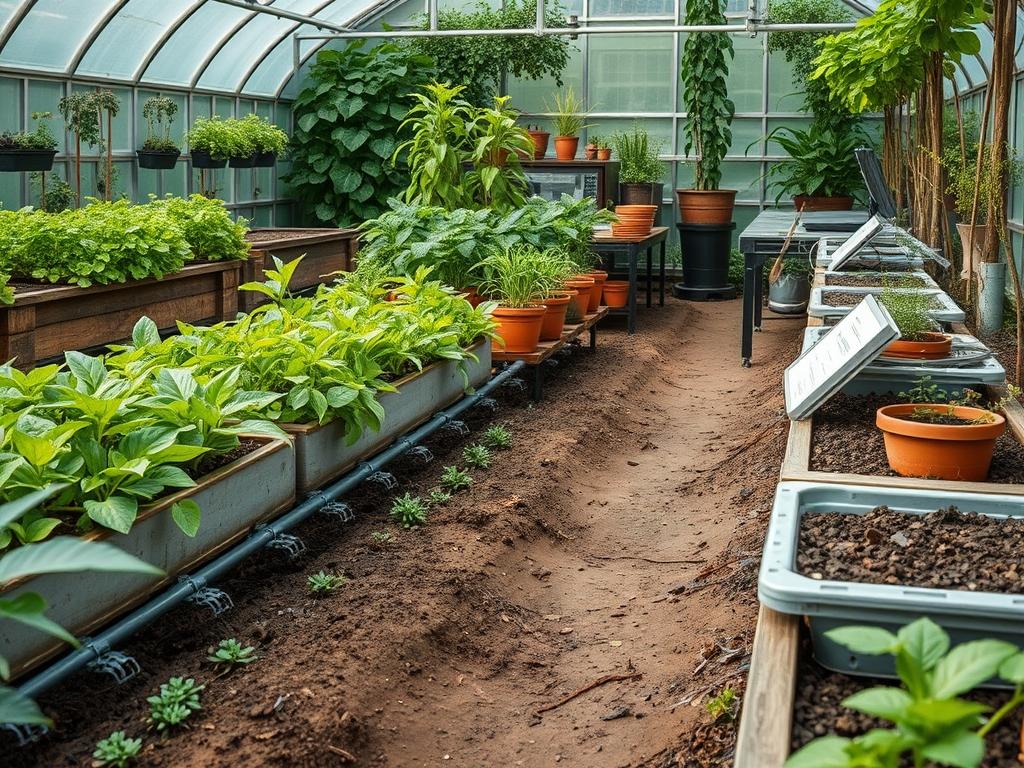
The preservation of a high-end landscape requires more than just an initial vision and a collection of expensive specimens. It demands a meticulous approach to resource management, particularly regarding water distribution. For many homeowners and commercial property managers, the largest risk to curb appeal and structural integrity is the silent failure of an underground watering system. A hidden leak or a ruptured lateral line can quickly transform a manicured turf grass lawn into a swampy mess, or worse, cause the erosion of expensive retaining walls and paver patios. Smart Irrigation Flow Tracking serves as the digital pulse of your outdoor environment, providing real-time data that prevents these catastrophes before they manifest as dead plants or collapsed soil. By monitoring flow rates daily, you ensure that every drop of water contributes to the health of the ecosystem rather than eroding the foundation of your investment.
Modern landscape design thrives on the intersection of aesthetics and functionality. When we design an outdoor space, we consider the specific microclimates created by the shadows of the home, the reflective heat of asphalt driveways, and the varying drainage capabilities of the soil. Without precise water management, even the most expertly designed garden will struggle to maintain its peak condition. Monitoring your irrigation system does not just save money on utility bills; it stabilizes the environment, ensuring that high-value trees and shrubs receive the exact volume of hydration required for their specific growth stage. This proactive stance is the difference between a landscape that survives and one that flourishes year-round despite the unpredictability of local weather patterns.
Landscape Design Principles
Professional landscape architecture relies on fundamental design principles like symmetry, focal points, and elevation layers to create visual interest. Symmetry provides a sense of order and formality, often achieved through the use of matching Boxwood hedges or mirrored standard roses. Focal points, such as a large multi-trunk Olive tree or a bespoke water feature, draw the eye and anchor the space. However, these elements are highly sensitive to water stress. If a single plant in a symmetrical row fails due to a clogged nozzle or a broken pipe, the entire visual balance is compromised.
Elevation layers add depth and dimension to a yard, but they also complicate drainage and irrigation. Higher tiers of a retaining wall system dry out faster than the base layers, requiring customized watering schedules. Smart Irrigation Flow Tracking allows a designer to verify that these specific zones are receiving the programmed amounts. When planning walkways and hardscapes, we must account for the infrastructure beneath the surface. A leak under a flagstone path can wash away the base material, leading to shifting stones and tripping hazards. By daily tracking of the flow, you can identify deviations that suggest a break under a hardscape before the surface begins to sink. Visual balance is not just about what you see above ground; it is grounded in the stability of the soil and the precision of the mechanics hidden beneath the shredded cedar mulch.
Plant and Material Selection
Choosing the right materials and flora is essential for longevity and water efficiency. The following table outlines several popular choices for modern professional landscapes and their specific requirements.
| Plant Type | Sun Exposure | Soil Needs | Water Demand | Growth Speed | Maintenance |
| :— | :— | :— | :— | :— | :— |
| Dwarf Fountain Grass | Full Sun | Well-drained | Low to Medium | Fast | Low |
| Purple Coneflower | Full Sun | Sandy/Loamy | Low | Moderate | Low |
| Redtwig Dogwood | Full Sun/Part Shade | Moist/Clay | High | Fast | Moderate |
| Japanese Maple | Part Shade | Rich/Acidic | Moderate | Slow | High |
| Sedum ‘Autumn Joy’ | Full Sun | Poor/Gravelly | Very Low | Moderate | Low |
| Oakleaf Hydrangea | Part Shade | Well-drained/Organic| Moderate | Moderate | Moderate |
Integrating these species requires a deep understanding of their individual thirst levels. Japanese Maples are prized focal points but can be temperamental if the soil moisture fluctuates too wildly. Conversely, succulents like Sedum can rot if a zone valve stays stuck open for even a few hours. Daily flow tracking ensures that the high-demand areas like those containing Redtwig Dogwoods are actually receiving water, while the drought-tolerant zones are stay dry as intended.
Implementation Strategy
Executing a professional garden layout begins with thorough site preparation. The first step is grading the land to ensure water moves away from the home foundation and toward designated drainage areas. Once the grade is established, we install the hardscaping elements such as natural stone boulders and interlocking pavers. These structures act as the permanent skeleton of the garden. After the hardscape is set, we install the primary irrigation lines and the Smart Irrigation Flow Tracking sensors. These sensors are typically mounted near the main shut-off valve and the backflow preventer.
During the planting phase, we prioritize the placement of larger specimens first. We dig holes at least two times the width of the root ball to ensure loose soil for new root growth. After the plants are in the ground, a layer of hardwood mulch should be applied at a depth of 3 inches. This depth is critical for moisture retention and weed suppression, but it can also hide irrigation leaks. This is why flow tracking is non-negotiable; you cannot see a leak under 3 inches of mulch until the soil becomes saturated and the plant begins to show signs of root rot. Finally, we set the smart controller, which uses local weather data and real-time flow monitoring to adjust the output daily.
Common Landscaping Failures
The most frequent failures in landscaping are often invisible to the naked eye. Drainage mistakes are at the top of the list. If the slope is incorrect, water pools around the roots of evergreens, leading to fungal diseases and death. Root overcrowding is another common issue; when plants are placed too closely together, they compete for limited water and nutrients. We recommend spacing plants at least 3 feet apart for medium shrubs to allow for mature spread.
Soil compaction is a silent killer of urban landscapes. Heavy machinery or foot traffic squeezes the air out of the soil, preventing water from reaching the roots. In these cases, even if your irrigation system is running, the water just runs off the surface. Flow tracking indicates if the system is discharging more water than the soil can absorb, suggesting the need for aeration or soil amendments. Finally, irrigation inefficiencies such as misting from high-pressure nozzles or broken heads lead to massive water waste. Without daily monitoring, a broken pop-up spray head can pump out hundreds of gallons of wasted water into a single area, drowning your fescue and spiking your utility costs overnight.
Seasonal Maintenance
Landscape management is a year-round commitment that changes with the tilt of the earth. In the spring, the focus is on a full system audit. We check every valve box, clear out debris from nozzles, and calibrate the flow sensors to ensure they are reading accurately after the winter dormancy. This is the time to apply a fresh layer of brown mulch and ensure no lines were crushed by shifting ice or frost heave.
Summer maintenance requires the most diligent daily check of your flow tracking data. High temperatures put maximum stress on the plants. If the flow tracking shows a sudden drop in pressure, it often indicates a clogged filter or a failing pump. In autumn, the priority shifts to preparing the garden for the cold. We reduce watering frequencies as plants enter dormancy and schedule a professional blow-out of the lines using a high-volume air compressor. This prevents water from freezing inside the PVC pipes and causing cracks. During winter, we monitor the sensors for any unexpected flow that might indicate a pipe burst due to a deep freeze. Even when the system is mostly off, the flow tracker serves as an alarm system for the home’s exterior plumbing.
Professional Landscaping FAQ
How does flow tracking detect a small leak?
Smart sensors establish a baseline for each zone. If the real-time flow exceeds the expected gallons per minute by a small margin, the system sends an alert or shuts down the zone to prevent further water loss and soil erosion.
Will I save money on my monthly water bill?
Yes. By identifying leaks immediately and adjusting for real-time weather, smart systems typically reduce water usage by 20 to 50 percent. This pays for the hardware investment within the first two growing seasons in most regions.
Can flow tracking prevent plant disease?
Indirectly, yes. Overwatering is a primary cause of root rot and fungal infections. By tracking flow, you ensure that plants like Azaleas and Boxwoods are not sitting in oversaturated soil due to a malfunctioning irrigation valve.
Do I need a professional to install these sensors?
While some DIY kits exist, a certified irrigation technician should install industrial-grade flow meters. They ensure the sensors are correctly calibrated with the main controller and that the plumbing meets local building codes for backflow prevention.
Does flow tracking work with drip irrigation?
It is especially vital for drip systems. Since drip emitters are often buried or hidden under stone mulch, you cannot see when they fail. Flow tracking is the only way to verify that a drip zone is operating correctly.