
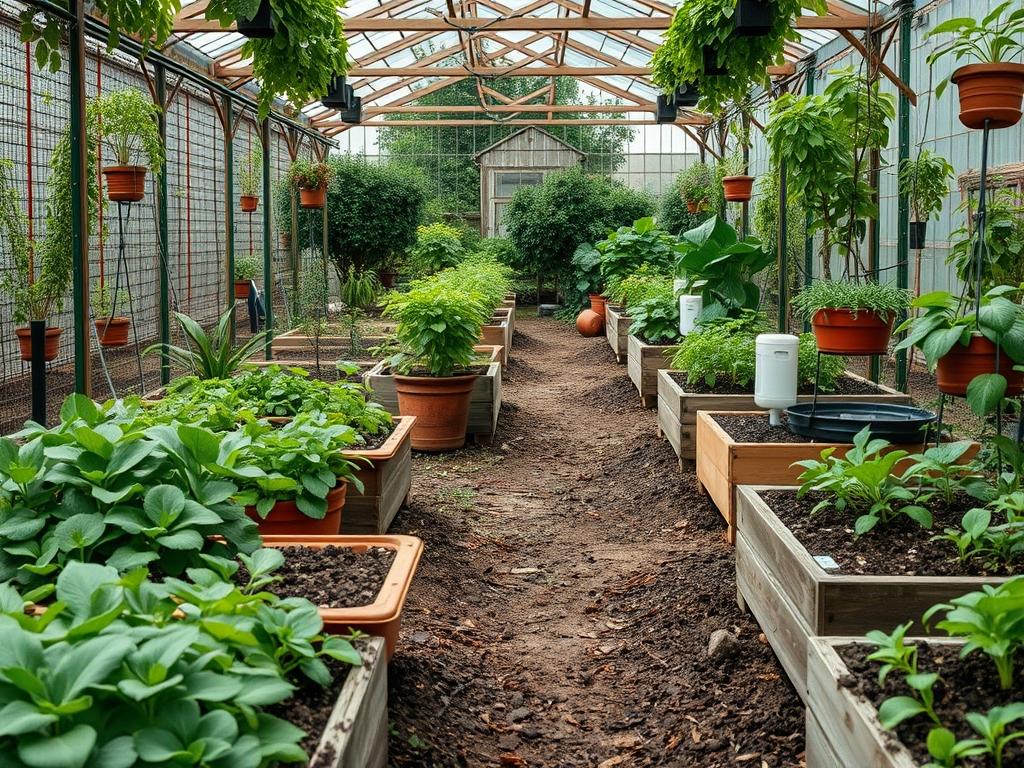
Achieving a resilient and aesthetically pleasing landscape begins well below the surface of the lawn. While many homeowners focus on the visual symmetry of a sculpted hedge or the vibrant colors of a perennial border, the true longevity of these elements depends on the chemical and biological state of the earth. Modern landscaping faces significant challenges, including erratic climate shifts, localized flooding, and varying degrees of urban pollution. To maintain curb appeal and outdoor functionality, we must move beyond traditional guesswork. Integrating technology into our management practices allows for a precise understanding of Smart Garden Soil Health, transforming how we approach drainage, nutrient application, and plant vitality. By leveraging sensors and data, a landscape architect can ensure that the initial investment in boxwood or ornamental grasses remains a permanent asset rather than a recurring cost.
Landscape design is often perceived as a purely artistic endeavor, yet it is fundamentally governed by the physics of the site. A successful outdoor environment balances the visual weight of hardscaping with the organic texture of the softscape. When we consider the goals of a project, the health of the soil acts as the invisible framework supporting every decision. If the substrate is compromised, the most expensive blue spruce or japanese maple will fail to thrive. Technology now plays a pivotal role in this baseline assessment, offering real-time insights into moisture levels and mineral availability that allow us to tailor the environment to the specific needs of each cultivar.
Landscape Design Principles
In professional practice, we use several core principles to guide the creation of a balanced outdoor space. Visual balance and symmetry are foundational; however, they must be supported by an invisible hierarchy of irrigation and drainage infrastructure. We often apply the concept of focal points to draw the eye toward specific architectural features, such as a stone fountain or a large-scale retaining wall. These features require careful elevation planning to ensure they do not disrupt the natural flow of water or cause localized compaction.
Elevation layers allow for the creation of depth. By utilizing terraced beds and varying the heights of plantings, we can create a sense of enclosure and privacy. During this planning phase, it is essential to map out the different microclimates within a single yard. A sun-scorched slope near a south-facing wall has vastly different requirements than a damp, shaded corner under a dense canopy of oak trees. Smart sensors can be deployed across these zones to monitor Smart Garden Soil Health, providing the data necessary to adjust irrigation schedules and fertilization plans for individual sections of the garden.
Walkways and hardscaping must be integrated with the biological needs of the soil. When we design paths using pavers or crushed stone, we must account for the impact on water infiltration. Improperly planned hardscaping can lead to runoff that strips away topsoil and nutrients. By using permeable materials and monitoring sub-surface moisture with digital probes, we can maintain a stable environment that supports both structural integrity and plant growth.
Plant and Material Selection
The bridge between design and reality is the selection of materials and biological specimens. Each plant has a specific biological profile that must match the data collected from your site.
| Plant Type | Sun Exposure | Soil Needs | Water Demand | Growth Speed | Maintenance Level |
| :— | :— | :— | :— | :— | :— |
| Emerald Green Arborvitae | Full Sun | Loamy/Well-drained | Moderate | Medium | Low |
| Knock Out Rose | Full Sun | Rich, acidic | High | Fast | Moderate |
| Hostas (Various) | Full Shade | Moist, fertile | High | Medium | Low |
| Lavender (Munstead) | Full Sun | Sandy, alkaline | Low | Medium | Moderate |
| Switchgrass | Full Sun | Adapts to clay | Low | Fast | Low |
| Fountain Grass | Full Sun | Well-drained | Moderate | Fast | Low |
| Japanese Forest Grass | Part Shade | Humus-rich | Moderate | Slow | Moderate |
When selecting mulch, professional architects often specify double-ground hardwood mulch or pine bark nuggets at a depth of exactly 3 inches. This measurement is critical; too little provides insufficient moisture retention, while too much can suffocate root systems. Furthermore, the use of landscape staples and professional-grade geotextiles under hardscaping helps maintain soil structure and prevents invasive weeds from disrupting the Smart Garden Soil Health.
Implementation Strategy
Starting a landscape project requires a disciplined approach to site preparation. The first step involves grading the land to ensure that water moves away from the foundation of the home. This often requires a slope of at least 2 percent. During this phase, we install the “nervous system” of the smart garden. This includes burying conduit for sensor cables and setting up low-voltage power lines for the irrigation controllers.
Before any plants go into the ground, we conduct a comprehensive test of the pH levels and macronutrients like nitrogen, phosphorus, and potassium. If the soil is too acidic, we apply pelletized lime; if it is too alkaline, elemental sulfur is integrated into the top 6 inches of the earth. Once the levels are balanced, we install the smart irrigation manifold. This system uses local weather data and local sensor input to provide the exact amount of water needed, preventing the anaerobic conditions caused by over-saturation.
Edges are defined using steel edging or aluminum bender board to create a clean transition between turf and garden beds. This prevents the grass from encroaching on the root zones of the ornamentals. Drainage is further managed through the installation of French drains or dry creek beds in low-lying areas. By placing wi-fi enabled moisture sensors at varying depths, such as 4 inches and 12 inches, we can observe how water permeates the different layers of the soil profile, ensuring that deep-rooted trees get the hydration they require.
Common Landscaping Failures
One of the most frequent mistakes in outdoor design is the failure to address soil compaction. During construction, heavy machinery like skid steers or excavators can compress the earth, destroying the pore space necessary for oxygen and water movement. Plantings placed in compacted soil often suffer from stunted growth or root rot. To fix this, we use an air spade or mechanical aerator to loosen the ground before planting.
Improper spacing is another common issue. A juniper or hydrangea may look small at the nursery, but failing to account for its mature width will lead to overcrowding. Overcrowding creates stagnant air, which encourages fungal diseases and depletes soil nutrients more quickly than the ecosystem can recover. Furthermore, many homeowners ignore irrigation efficiency. Standard spray heads often lose a significant percentage of water to evaporation; switching to drip irrigation lines with pressure-compensating emitters delivers water directly to the root zone, preserving the Smart Garden Soil Health by preventing surface crusting.
Seasonal Maintenance
The management of a high-end landscape is a year-round commitment that changes with the light and temperature. In the spring, the focus is on activation. We use core aerators to open up the soil and apply a pre-emergent herbicide to prevent weed seeds from germinating. This is also the time to calibrate your smart sensors and replace any batteries in wireless probes.
Summer maintenance revolves around moisture management. As temperatures rise, the data from your smart garden hub will dictate the irrigation frequency. We often apply a fresh layer of organic mulch to keep root temperatures cool. In the autumn, the strategy shifts to restoration. We add organic compost or leaf mold to replenish the nutrients used during the growing season. This is also the ideal time for overseeding the lawn with tall fescue or kentucky bluegrass to maintain a dense turf.
Winter is the season for data analysis and protection. While the plants are dormant, we review the soil moisture and temperature trends from the previous year to adjust the plan for the coming spring. For sensitive species, we might use burlap wraps or anti-desiccant sprays to protect against winter burn. Even in the cold, the soil continues to process organic matter, and maintaining a stable, frozen state is often better for the plants than a cycle of rapid freezing and thawing.
Professional Landscaping FAQ
What is the ideal pH for a mixed ornamental garden?
Most landscape plants thrive in a slightly acidic environment, typically between pH 6.0 and 7.0. This range allows for the maximum availability of essential nutrients. Use a digital pH meter for the most accurate and frequent readings.
How deep should I place soil moisture sensors?
For turf and flowers, place sensors at a depth of 4 inches. For larger shrubs and trees, a depth of 12 inches is preferred to monitor the moisture levels in the primary root zone where most absorption occurs.
Does mulch affect the accuracy of smart sensors?
Organic mulch can buffer temperature and moisture readings. When installing probes, ensure they are in direct contact with the mineral soil rather than the mulch layer to get a true representation of the Smart Garden Soil Health.
Can I integrate smart soil tech with my existing sprinklers?
Yes, most modern smart irrigation controllers are compatible with external sensors. They use a standard 24V connection or wireless protocols to override scheduled watering when the soil already has sufficient moisture, saving water and money.
How often should I recalibrate my garden sensors?
Professional-grade sensors should be checked once per season. Clean the metal probes with isopropyl alcohol to remove mineral buildup and verify the readings against a manual handheld moisture meter to ensure continued accuracy throughout the year.