
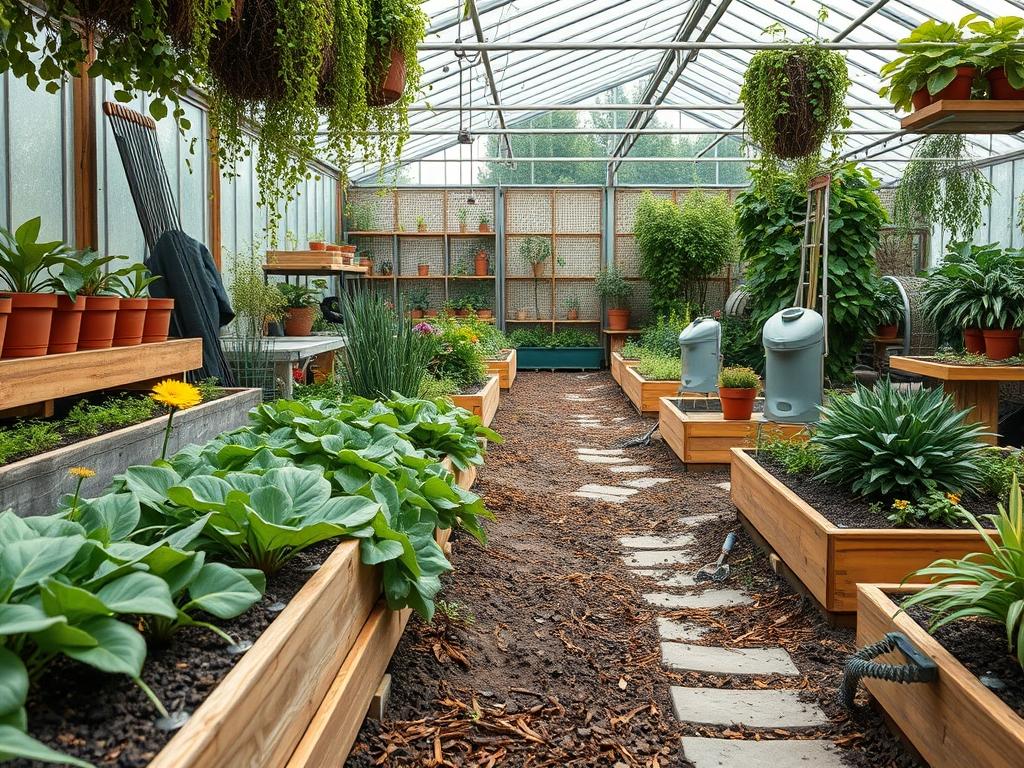
Modern landscaping has evolved from a simple aesthetic pursuit into a precise technical discipline that balances environmental stewardship with architectural intent. Creating a functional outdoor space requires more than a casual eye for color; it demands an understanding of how topography, hydrology, and biology intersect. This methodology, often referred to as Smart Garden Design Logic, serves as the foundation for any enduring landscape project. To achieve high curb appeal while maintaining long term sustainability, a designer must account for the specific microclimate of the site, including wind patterns, solar exposure, and the inherent quality of the local soil. A successful plan does not fight the land, rather, it complements the existing natural systems to create a space that feels both intentional and effortless.
The primary challenge for many property owners lies in the transition from a flat, generic lawn to a layered environment that serves multiple functions. Outdoor living spaces now require the same level of architectural scrutiny as interior rooms, with clear zones for recreation, dining, and quiet reflection. By applying Smart Garden Design Logic, you can transform a disjointed backyard into a cohesive extension of the home. This logic dictates that every element, from the placement of a single River Birch to the gradient of a French Drain, must serve a functional purpose. Before the first shovel hits the dirt, a comprehensive site analysis must be completed to prevent expensive corrections in the future.
Landscape Design Principles
Effective landscaping begins with the “bones” of the garden, which are the structural elements that remain visible even in the depths of winter. Symmetry and proportion act as the visual anchors. If a patio is too small for its surrounding lawn, the space feels cavernous and unfinished. Conversely, overcrowded planting beds can make a large yard feel claustrophobic. Designers use focal points, such as a large Statuary, an Ornamental Fountain, or a specimen tree like a Ginkgo Biloba, to direct the eye and create a sense of movement through the environment.
Elevation is another critical factor in Smart Garden Design Logic. A flat yard often lacks visual interest, but by introducing Retaining Walls or raised planters, you create verticality and separate different functional zones. These layers allow for diverse planting opportunities, as different heights can host varying soil types and drainage speeds. Irrigation planning must happen concurrently with these structural decisions. Modern Smart Irrigation Controllers and Drip Irrigation Lines should be mapped out to ensure that water is delivered directly to the root zones of plants, minimizing evaporation and runoff. This precision is essential for maintaining plant health while adhering to water conservation standards.
Finally, walkways and transit paths provide the connective tissue of the landscape. Using materials like Flagstone, Porcelain Pavers, or Decomposed Granite, these paths should follow the natural flow of human movement. Avoid sharp, unnatural angles unless the overall design is strictly formal. Instead, gentle curves or wide, straight vectors provide a professional look that enhances the overall balance of the site.
Plant and Material Selection
Selecting the right biological components is where many amateur projects fail. The following table provides a guide for choosing materials based on specific environmental requirements.
| Plant Type | Sun Exposure | Soil Needs | Water Demand | Growth Speed | Maintenance Level |
| :— | :— | :— | :— | :— | :— |
| Boxwood Shrub | Full Sun to Shade | Well-Drained | Moderate | Slow | Medium (Trimming) |
| Purple Coneflower | Full Sun | Loamy/Sandy | Low | Fast | Low |
| Japanese Maple | Partial Shade | Rich/Acidic | Moderate | Slow | High (Pruning) |
| Blue Fescue | Full Sun | Poor/Well-Drained | Low | Moderate | Very Low |
| Climbing Hydrangea | Shade | Moist/Fertile | High | Moderate | Medium |
| Creeping Thyme | Full Sun | Rocky/Dry | Low | Fast | Low |
Implementation Strategy
The transition from a blueprint to a physical reality requires a disciplined, multi step approach. The first step in any implementation of Smart Garden Design Logic is grading and excavation. Using a Transit Level or Laser Level, you must ensure that the land slopes away from the home foundation at a rate of at least 2 percent. This prevents moisture from accumulating near the basement or crawlspace walls, which can lead to structural rot or mold. Once the grade is established, subsurface drainage like a Dry Well or Perforated Pipe should be installed in low areas.
Next comes the hardscaping phase. This involve laying the foundation for Pavers, Bricks, and Natural Stone. A proper base consists of 4 to 6 inches of compacted Crushed Stone, topped with a thin layer of Bedding Sand. This prevents the stones from shifting during freeze-thaw cycles. After the hard surfaces are set, you can begin defining the garden beds. Use a Steel Edger to create crisp, clean lines between the turf and the mulch. This not only looks professional but also prevents grass from encroaching on your ornamental plants.
When planting, ensure each hole is at least twice the width of the root ball but no deeper. Placing a tree or shrub too deep in the ground can suffocate the roots and lead to trunk rot. After planting, apply 3 inches of Hardwood Mulch or Pine Bark. Mulch serves three purposes; it retains moisture, suppresses weeds, and regulates soil temperature. Be careful not to pile mulch against the stems or trunks, as this creates a bridge for wood boring insects and fungal pathogens.
Common Landscaping Failures
The most frequent mistake in residential landscaping is improper drainage management. When water is not directed away from the property, it creates boggy soil that kills most ornamental plants and weakens hardscape foundations. Hydrostatic pressure can cause Retaining Walls to lean or collapse if they lack adequate Weep Holes and gravel backfill. Another common error is root overcrowding. It is easy to plant for immediate impact, but a small Spruce Tree can eventually grow into a 50 foot giant, interfering with power lines or lifting up a nearby driveway.
Soil compaction is a hidden killer of landscape vitality. During construction, heavy machinery compresses the earth, destroying the Macropores and Micropores needed for oxygen exchange. Before planting, it is vital to aerate the soil or incorporate Organic Compost to restore its structure. Furthermore, many owners fail to group plants by their water needs, a practice known as hydrozoning. Placing a high water consumer like a Canna Lily next to a drought tolerant Lavender plant results in one being overwatered or the other being parched.
Seasonal Maintenance
A landscape is a living entity that requires consistent oversight across all four seasons. In the spring, the focus should be on clean up and preparation. This is the time to remove winter debris, prune dead wood with a sharp Bypass Pruner, and apply a pre-emergent herbicide to prevent weed seeds from germinating. As summer arrives, the priority shifts to irrigation management. During periods of extreme heat, plants may require deeper, less frequent watering to encourage roots to grow further into the cool earth.
Autumn is the ideal time for planting and soil amendment. The warm soil and cool air create the perfect environment for root development without the stress of summer sun. It is also the season to divide perennials, such as Hostas or Daylilies, to maintain their vigor. Finally, winter maintenance involves protecting sensitive species from frost and heavy snow loads. Using Burlap Wraps or Anti Desiccant Sprays can prevent evergreen browning. Ensure that all irrigation systems are blown out with Compressed Air to prevent pipes from bursting in freezing temperatures.
Professional Landscaping FAQ
How do I determine the best location for a new patio?
Analyze the sun path and proximity to your kitchen. Place the patio where it receives afternoon shade but remains close enough to the house for easy transport of food and drinks. Ensure the ground slopes away from your foundation for drainage.
What is the best way to stop weeds in garden beds?
The most effective method involves a combination of Geotextile Fabric and a thick 3 inch layer of mulch. Ensure you pull perennial weeds by the root before installing these barriers to prevent them from pushing through the protective layers.
How often should I water my newly planted trees?
New trees require consistent moisture for the first two years. Generally, provide 10 gallons of water for every 1 inch of trunk diameter per week. Increase this frequency during heatwaves or periods of high wind to prevent dehydration.
When is the best time to prune flowering shrubs?
Pruning timing depends on when the plant blooms. Shrubs that flower in the spring should be pruned immediately after their blossoms fade. Late summer bloomers should be pruned in late winter or early spring before new growth appears on the stems.
Why is my lawn turning yellow despite regular watering?
Yellowing often indicates soil compaction, nutrient deficiency, or overwatering. Test your soil pH and nutrient levels with a Soil Test Kit. If the soil is hard, use a Core Aerator to improve oxygen and water penetration to the roots.