
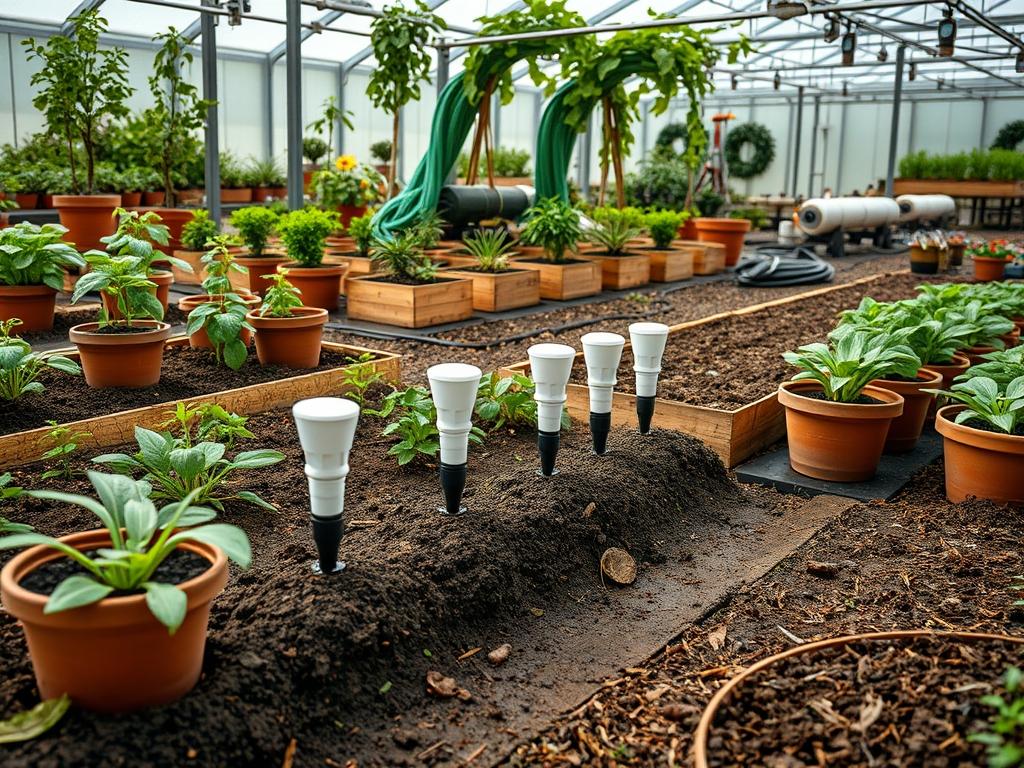
Modern landscape architecture is a complex negotiation between biological systems and the built environment. When designing high-end residential or commercial spaces, the primary challenge often lies in maintaining the architectural vision through periods of climate volatility. Water management stands as the most critical hurdle in this equation. Traditional spray heads frequently lead to overspray, fungal growth, and significant evaporation losses. To achieve true sustainability and long-term curb appeal, professionals are pivoting toward precision delivery systems. The selection of Smart Irrigation Drip Emitters becomes the technical foundation for a flourishing landscape. These components ensure that every drop reaches the root zone without the interruption of clogs or pressure fluctuations, bridging the gap between aesthetic goals and environmental responsibility.
Every design must prioritize the relationship between hardscape elements and the living canopy. A masterfully planned backyard is not merely a collection of plants; it is a functional outdoor room where irrigation, drainage, and elevation layers work in concert. When we discuss outdoor functionality, we are looking at how a space transitions from a high-traffic flagstone patio to a quiet, vegetated retreat. Without a reliable water delivery system, the investment in premium nursery stock is at risk. Precision emitters allow for the creation of hydro-zones, which group plants with similar needs, ensuring that a delicate Japanese Maple does not receive the same volume of water as a drought-tolerant Ornamental Grass. This level of control is essential for protecting the structural integrity of retaining walls and preventing the soil erosion that often plagues poorly irrigated slopes.
Landscape Design Principles
Successful landscaping relies on the core principles of symmetry, focal points, and elevation layers. Symmetry provides a sense of order and formality, often achieved through mirrored plantings along a central walkway. However, a truly professional layout also incorporates asymmetrical balance to create visual interest. Focal points, such as a large specimen tree or a custom water feature, draw the eye and provide a sense of purpose to the space. To support these features, irrigation planning must be integrated into the initial footprint of the design. We often use elevation layers to create depth, placing taller canopy trees at the rear, followed by mid-sized shrubs, and finishing with low-growing perennials or groundcover.
Visual balance is not just about the horizontal plane; it includes the verticality of the garden. A common mistake is ignoring the subterranean requirements of these layers. Different root depths require specific watering durations. Smart Irrigation Drip Emitters are particularly useful here because they can be adjusted or swapped to match the specific demands of each layer. For example, a 2 gallon per hour (GPH) emitter might be necessary for a large shrub, while a 0.5 GPH unit is sufficient for small groundcover. By planning these zones ahead of time, we ensure the mulch stays dry on the surface, which reduces weed germination, while the roots deep below receive consistent hydration.
Plant and Material Selection
Selecting the right plant for the right place is the most important decision a landscape consultant makes. Below is a guide for common selections that thrive when paired with high-efficiency drip systems.
| Plant Type | Sun Exposure | Soil Needs | Water Demand | Growth Speed | Maintenance Level |
| :— | :— | :— | :— | :— | :— |
| Japanese Maple | Partial Shade | Well-Drained | Moderate | Slow | Medium |
| Boxwood Shrub | Full to Partial | Loamy/Rich | Moderate | Slow | Low |
| Lavender | Full Sun | Sandy/Gritty | Low | Medium | Low |
| Serviceberry | Full to Partial | Variable | Moderate | Medium | Low |
| Creeping Thyme | Full Sun | Well-Drained | Low | Fast | Low |
| Arborvitae | Full Sun | Moist/Loamy | Moderate | Medium | Medium |
When selecting materials, prioritize high-quality polyethylene tubing and UV-resistant emitters. The materials must withstand temperature swings and the weight of organic cedar mulch or decorative river rock. Inferior plastics will degrade under UV exposure or become brittle in freezing temperatures, leading to system failure that is often hidden beneath the surface until the plants begin to wilt.
Implementation Strategy
Implementing a smart irrigation grid requires a step by step approach to ensure longevity. First, the site must undergo a thorough grading process. Proper grading ensures that water moves away from the foundation of the home at a 2 percent slope. Once the topography is set, we establish the edging for flower beds. This physical barrier prevents grass from encroaching on the drip zones. When laying out the Smart Irrigation Drip Emitters, use a grid pattern or a “ring” method for larger trees. This ensures the entire root ball is hydrated rather than just one side.
For heavy clay soils, we recommend a slower flow rate to prevent puddling and runoff. In contrast, sandy soils require emitters with a slightly higher flow rate or closer spacing because water moves vertically through sand much faster than it moves horizontally. Before the final layer of 3 inch mulch is applied, the system must be pressure tested. This involves running the zones and checking for leaks at every connector, tee, and elbow. A professional layout also includes a backflow preventer and a pressure regulator at the source to protect the emitters from high-pressure surges that could blow them off the line.
Common Landscaping Failures
The most frequent failure in high-end projects is poor drainage. Even the most advanced irrigation system cannot compensate for a garden that holds stagnant water. Soil compaction is a secondary killer; it prevents oxygen from reaching the roots and causes water to sit on the surface, which leads to the clogging of emitters from the outside in. We also see many instances of root overcrowding. When plants are placed too closely together, they compete for the same moisture, and the drip emitters may not be able to keep up with the combined demand.
In terms of the emitters themselves, clogging is the primary technical failure. This is usually caused by a lack of proper filtration or the use of non-compensated emitters in a system with varying elevations. When the system is turned off, a vacuum can sometimes pull silt back into the emitter. This is why we recommend “check valve” emitters that remain sealed when pressure drops below a certain point. Furthermore, many homeowners fail to account for the mineral content of their water. Calcium and iron buildup can seize a standard emitter within a single season. Choosing smart, self-flushing models that utilize a turbulent flow path helps to vibrate small particles through the mechanism rather than letting them settle.
Seasonal Maintenance
A landscape is a living entity that requires different care strategies as the seasons shift. In the Spring, the focus is on reactivation. You must flush the main lines to clear any debris that accumulated over the winter. This is also the time to inspect every emitter for consistent flow. As plants emerge from dormancy, their water needs will spike, so recalibrate your smart controller to reflect the warming soil temperatures.
During the Summer, the priority shifts to monitoring for stress. High heat can cause soil to crack, which can occasionally shift underground lines. Check for “wet spots” in the mulch that might indicate a punctured line or a blown emitter. In the Autumn, as the growth speed of your perennials and shrubs slows, you should gradually reduce the watering frequency. This allows the plants to “harden off” for the coming cold. Finally, Winter maintenance involves a complete system blowout. Using an air compressor, we remove all standing water from the lines to prevent freezing and bursting. Remove the smart controller or at least take the batteries out to protect the electronics from extreme cold.
Professional Landscaping FAQ
How do I prevent my drip emitters from clogging?
Install a 200-mesh filter at the main valve and choose self-flushing emitters. These models use a silicone diaphragm to push out small particulates every time the system starts and stops, preventing mineral scaling and physical blockages.
What is the difference between pressure-compensating and non-compensating emitters?
Pressure-compensating (PC) emitters maintain a consistent flow rate regardless of pressure changes or elevation drops. Non-compensating models flow faster at the bottom of a hill and slower at the top, leading to uneven and inefficient watering patterns.
How deep should I bury my irrigation lines?
Main lines should be buried 8 to 12 inches deep to avoid damage from aeration or shovels. Lateral drip lines can be placed on the soil surface but must be covered by at least 3 inches of mulch to prevent UV degradation.
Can I mix different emitter flow rates on the same zone?
Yes, this is a primary benefit of drip systems. You can use a 0.5 GPH emitter for a groundcover and a 2.0 GPH emitter for a larger shrub on the same line to meet their specific volumetric needs.
How often should I replace my smart emitters?
High-quality emitters can last 5 to 7 years with proper filtration. If you notice a specific plant wilting or the soil feels dry near an emitter, it is likely time to replace that individual unit rather than the whole system.