
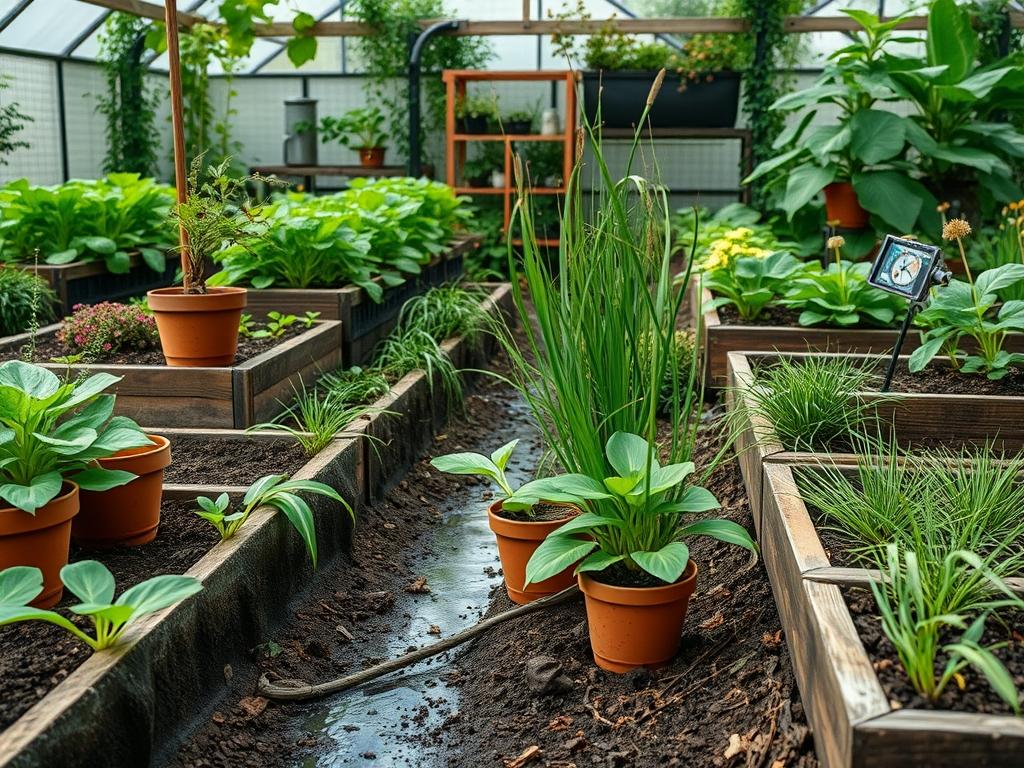
Integrating a professional water feature into a modern landscape requires more than just an aesthetic eye; it demands a rigorous understanding of aquatic biology and engineering. The primary challenge for any landscape architect lies in balancing the organic chaos of nature with the predictable performance of mechanical systems. In regions with fluctuating climates, a pond can quickly transition from a shimmering focal point to a maintenance liability if the underlying infrastructure is neglected. High-end property owners demand curb appeal that persists through the seasons, meaning the water must remain crystal clear without requiring hours of manual labor every week. This is where the integration of Smart Pond Filtration Tech becomes the foundation of the entire outdoor environment. By utilizing automated systems that monitor water quality in real time, we can create ecosystems that thrive in diverse weather conditions while enhancing the overall functionality of the outdoor living space.
A well-designed garden acts as a sanctuary, but it also serves as a high-performing asset that increases property value. When we plan these environments, we consider the pond as the heart of the landscape, surrounding it with retaining walls, natural stone walkways, and tiered elevation layers. These elements are not merely decorative. They define the flow of traffic and the movement of water across the site. Proper drainage ensures that runoff from the lawn, which often contains fertilizers and pesticides, does not enter the pond and disrupt its delicate balance. By planning the landscape with a focus on both visual harmony and technical precision, we ensure that the water feature remains a source of tranquility rather than a source of stress.
Landscape Design Principles
Effective landscape design relies on the principle of intentionality, where every stone and plant serves a specific purpose. Symmetry and visual balance are achieved by mirroring textures and colors across a central axis, often using the water surface as a reflective mirror. To create depth, we employ elevation layers, using 6-inch to 12-inch boulders to create transition zones between the water’s edge and the surrounding garden beds. These layers allow for the installation of cascading waterfalls that provide both auditory privacy and vital aeration for the pond.
Focal points are strategically placed to draw the eye through the landscape. A large weeping willow or a sculptural basalt column fountain can anchor the design, while permeable pavers and flagstone paths guide visitors around the perimeter. In this context, Smart Pond Filtration Tech is the invisible engine driving the aesthetic. By concealing skimmer boxes and external pumps behind dense shrubbery or within recessed vaults, we maintain the illusion of a wild, natural spring while benefiting from the precision of modern sensors. Irrigation planning must also be synchronized with the pond layout, ensuring that the automatic fill valves are connected to a dedicated water line to maintain stable levels during the peak heat of summer.
Plant and Material Selection
Selecting the right materials and flora is essential for both the structural integrity of the pond and the health of the nitrogen cycle. The following table outlines key species used in professional aquatic landscaping.
| Plant Type | Sun Exposure | Soil Needs | Water Demand | Growth Speed | Maintenance Level |
| :— | :— | :— | :— | :— | :— |
| Water Lily (Nymphaea) | Full Sun | Aquatic Compost | Submerged | Medium | Moderate |
| Creeping Jenny | Sun to Shade | Moist Soil | High | Fast | Low |
| Pickerel Weed | Full Sun | Loamy Mud | High | Medium | Low |
| Sweet Flag (Acorus) | Partial Shade | Wet Clay | High | Slow | Very Low |
| Horsetail Rush | Full Sun | Saturated Soil | High | Fast | High (Invasive) |
| Japanese Iris | Full Sun | Rich Acidic | High | Medium | Moderate |
In addition to plants, the material palette should include EDPM pond liners, underlayment fabric, and river rock of varying sizes. Using 2-inch to 4-inch river stones to cover the pond floor protects the liner from UV degradation and provides surface area for beneficial bacteria to colonize. This bacterial growth is a natural complement to Smart Pond Filtration Tech, which often includes UV clarifiers and pressurized biological filters to keep the water pristine.
Implementation Strategy
The transition from design to reality begins with meticulous site grading. We start by excavating the pond area, ensuring the perimeter is perfectly level to prevent visible liner exposure. One of the most critical steps is the creation of various “shelves” at depths of 12 inches, 24 inches, and 36 inches. These shelves serve as planting zones and provide safety for any ornamental fish during winter months. Once the excavation is complete, we install a high-quality underlayment followed by a 45-mil EPDM liner.
The installation of Smart Pond Filtration Tech occurs during this phase. We position the skimmer at the opposite end of the pond from the waterfall spillway to ensure maximum water circulation. All electrical conduits for LED pond lights and pump power are buried at a minimum depth of 12 inches and encased in PVC for protection. After the hardware is set, we begin the stonework, starting from the bottom and working upward. Black pond foam is used to seal gaps between rocks in the waterfall, forcing water to flow over the stones rather than behind them. Finally, a 3-inch layer of hardwood mulch is applied to the surrounding garden beds to retain moisture and suppress weeds, taking care to leave a gap around the base of newly planted shrubs.
Common Landscaping Failures
The most frequent error in professional landscaping is the failure to account for long-term maintenance needs. Improper drainage is a common culprit; if the surrounding terrain slopes toward the pond, every rainstorm will wash silt and organic debris into the water, overwhelming even the most robust Smart Pond Filtration Tech. Similarly, root overcrowding occurs when fast-growing trees, such as Poplars or Willows, are planted too close to the pond edge. Their invasive root systems can eventually puncture liners or shift heavy retaining wall blocks.
Soil compaction during the construction phase is another silent killer of landscape health. Heavy machinery can crush the pore spaces in the soil, preventing air and water from reaching plant roots. To mitigate this, we use tilling tools to aerate the soil before planting and apply organic compost to restore soil structure. Finally, irrigation inefficiencies often result from a “set it and forget it” mentality. Without smart controllers that adjust for rainfall, gardens can become waterlogged, leading to root rot and fungal diseases in sensitive species like Azaleas or Boxwoods.
Seasonal Maintenance
Landscape management is a year-round commitment that changes with the sun’s trajectory. In the spring, the focus is on “awakening” the system. We clean out the skimmer baskets, prune dead foliage from ornamental grasses, and perform a partial water change. This is the ideal time to check the Smart Pond Filtration Tech sensors for accuracy and replace UV bulbs that have reached their life expectancy (usually around 9,000 hours).
Summer maintenance is dominated by nutrient management. As temperatures rise, the risk of algae blooms increases. We monitor dissolved oxygen levels and ensure the aeration pumps are running at full capacity during the night. In the autumn, the primary goal is debris control. Installing pond netting prevents falling leaves from sinking to the bottom and decomposing into muck. As winter approaches, we bypass the waterfall to prevent “ice damming” and install a pond de-icer or aerator to keep an opening in the ice for gas exchange. The smart system can be programmed to alert the homeowner if the water temperature drops below a certain threshold, signifying that the heater has failed.
Professional Landscaping FAQ
How does smart tech improve pond clarity?
Smart systems use automated backwashing and UV sterilization to kill suspended algae and remove fine particulates. Sensors monitor water quality 24/7, adjusting flow rates to maintain the nitrogen cycle without manual intervention or chemical over-treatment.
What is the best way to hide filtration equipment?
We utilize landscaping boulders, faux rock covers, and decorative fencing. Many high-end filters are designed to be buried up to the lid, allowing us to surround them with ferns or hostas for total concealment from the main viewing area.
Can I run my pond pump all winter?
In colder climates, it is often safer to shut down waterfalls to avoid ice damming, which can drain the pond. However, a submerged pump or aerator should remain active to ensure the water surface does not freeze entirely.
How often should I test the pond water?
While Smart Pond Filtration Tech provides real-time data for pH and temperature, we recommend a comprehensive manual test for Ammonia, Nitrites, and Nitrates every month. This ensures the digital sensors remain calibrated and the biological balance is healthy.
Will a smart filter reduce my electricity bill?
Yes, most modern smart controllers use variable speed pumps. These allow the system to run at a lower, energy-saving RPM during the night or when filtration demands are low, significantly reducing overall energy consumption compared to traditional single-speed pumps.