
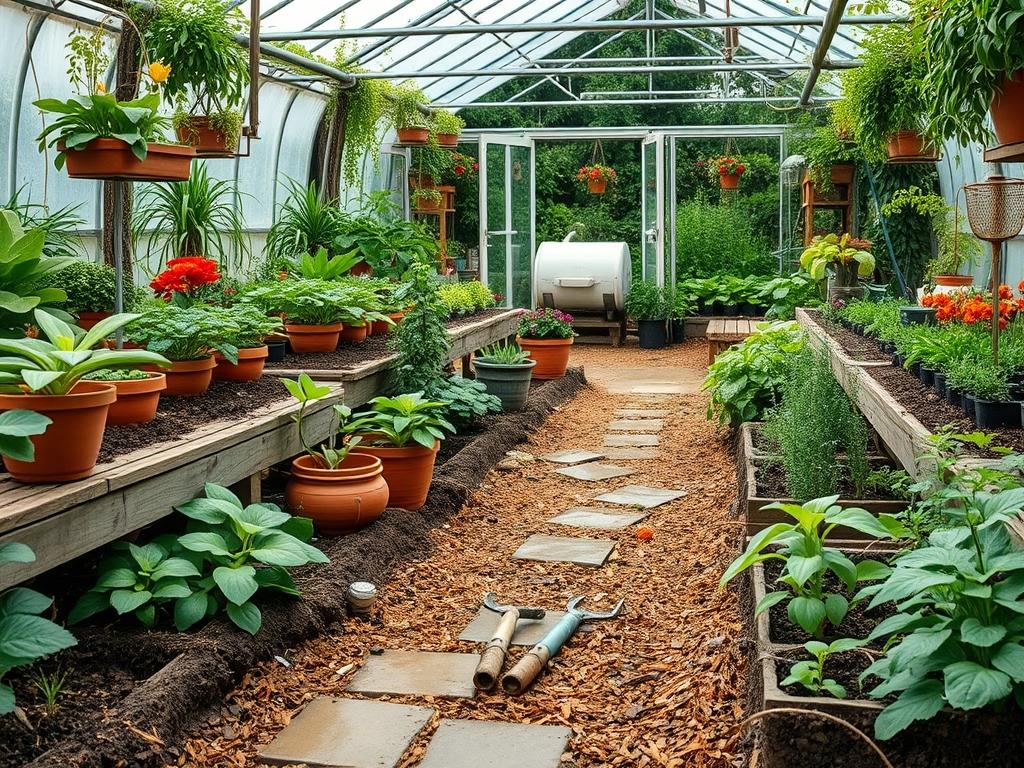
Modern property development necessitates a shift from purely aesthetic gardening to integrated ecological management. The contemporary landscape architect must balance visual allure with resource efficiency. This is particularly true in regions where water scarcity or erratic weather patterns dictate the survival of high value flora. A successful outdoor environment provides more than just curb appeal; it serves as a functional extension of the home, offering cooling effects, privacy, and psychological relief. However, a beautiful garden is only as resilient as the infrastructure supporting it. Subsurface systems, specifically those outlined in modern Smart Irrigation Planning Tips, form the backbone of a sustainable landscape that survives the fluctuations of a changing climate.
Integrating water management early in the design phase prevents the costly retrofitting that plagues many residential projects. Homeowners often focus on the immediate gratification of blooming perennials and manicured lawns, overlooking the hydraulic requirements necessary for long term health. A professional approach treats the yard as a living machine where components like drainage, soil quality, and topography must work in concert. When these elements are synchronized, the resulting environment requires less manual labor and fewer chemical inputs to maintain its peak condition.
Landscape Design Principles
Achieving a professional finish requires a deep understanding of visual weight and structural balance. Symmetry is a powerful tool in formal gardens, often used to frame an entryway or a specific focal point such as a sculpture or a mature Oak tree. In more contemporary, organic designs, asymmetrical balance allows for a natural flow that mimics the wild environment while still feeling intentional. Professionals use elevation layers to create depth, placing taller canopy trees at the rear, mid sized shrubs in the center, and low carpet like ground covers at the front. This layering technique does more than please the eye; it creates microclimates that protect sensitive species from wind and excessive sun.
Smart Irrigation Planning Tips frequently emphasize the concept of hydrozoning, which is the practice of grouping plants with similar water requirements together. It is an architectural mistake to place a high moisture Hydrangea directly next to a drought tolerant Lavender. By segregating these zones, irrigation valves can be programmed to deliver specific volumes of water to each area, preventing overwatering of xeriscape plants and dehydration of tropical varieties. Furthermore, the layout of walkways and paths should guide the viewer through the space while protecting the soil from compaction. Using permeable materials like crushed granite or spaced flagstone allows rainwater to penetrate the ground, supporting the overall efficiency of the site.
Plant and Material Selection
The following table provides a breakdown of common species and materials used in modern, efficient landscape designs. Selecting the right plant for the right place is the most critical decision a consultant can make.
| Plant Type | Sun Exposure | Soil Needs | Water Demand | Growth Speed | Maintenance Level |
| :— | :— | :— | :— | :— | :— |
| Native Grasses | Full Sun | Poor to Sandy | Very Low | Fast | Minimal |
| Dwarf Boxwood | Full to Part Sun | Rich, Loamy | Moderate | Slow | High (Pruning) |
| Japanese Maple | Dappled Shade | Well-Drained | Moderate | Slow | Medium |
| Blue Agave | Intense Sun | Rocky, Dry | Minimal | Slow | Very Low |
| Fountain Grass | Full Sun | Adaptable | Low | Medium | Low |
| Creeping Thyme | Full Sun | Gritty | Low | Fast | Medium |
Beyond flora, material selection defines the character of the space. Steel edging provides clean lines for modern paths, while natural cedar mulch helps retain moisture and suppress weeds. When choosing hardscaping components, consider the thermal mass of the stones; dark basalt may retain too much heat in desert climates, potentially scorching nearby root systems.
Implementation Strategy
The transition from a blueprint to a physical garden requires a disciplined, step by step execution. The first phase is always site preparation, which starts with professional grading. The land must be sloped away from the home foundation at a minimum of 2 percent grade to ensure that heavy rain does not cause structural damage. During this phase, any necessary retaining walls should be constructed to manage significant elevation changes. These walls not only prevent erosion but also create tiered planting beds that can be easily accessed for maintenance.
Once the earth is shaped, the installation of the main irrigation lines begins. This is where Smart Irrigation Planning Tips become actionable. Install a smart controller equipped with a weather sensor and soil moisture probes. These devices adjust watering schedules based on real time atmospheric data, saving thousands of gallons of water annually. For planting beds, use drip irrigation tubing buried under a layer of mulch. Drip systems deliver water directly to the root zone, minimizing evaporation loss and preventing the foliage diseases often caused by overhead sprays.
After the infrastructure is in place, the soil must be amended. Most residential soil is compacted from construction equipment and lacks the organic matter necessary for plant health. Incorporating compost and earthworm castings into the top 6 inches of the soil will improve aeration and nutrient availability. When planting, ensure that the root ball is level with the surrounding ground; planting too deep can suffocate the tree, while planting too high can lead to root desiccation. Finish the installation with a 3 inch layer of organic mulsh to regulate soil temperature and provide a finished, professional appearance.
Common Landscaping Failures
The most frequent failure in residential landscapes is poor drainage. Even the most advanced irrigation system cannot compensate for water that sits stagnant around root systems. Stagnant water deprives roots of oxygen, leading to root rot and the eventual death of the plant. If the site has heavy clay soil, the installation of French drains or dry creek beds may be necessary to move excess volume away from the planting zones.
Another common oversight is improper plant spacing. It is tempting to plant densely for immediate impact, but this leads to root overcrowding and competition for resources within a few years. Consultation of the mature spread of each species is required to ensure that a 5 foot wide shrub actually has the room it needs to reach its natural form. Furthermore, soil compaction is a silent killer. When heavy foot traffic or machinery compresses the soil, the pore spaces that hold air and water are crushed. Using aeration tools and designated mulched paths can mitigate this issue and preserve the underground ecosystem.
Seasonal Maintenance
Landscape management is a year round commitment that changes with the sun’s angle. In the spring, the primary goal is system activation and debris removal. Clear away dead perennial stalks and inspect irrigation emitters for clogs. This is also the time to apply a slow release fertilizer to support the initial growth spurt. As the temperature rises into summer, the focus shifts to optimization. Adjust the smart controller to account for higher ET (evapotranspiration) rates and check the mulch depth to ensure it hasn’t thinned, as exposed soil will dry out rapidly in the heat.
Autumn is the season for preparation and planting. The cooler air and warm soil provide the perfect environment for new trees and shrubs to establish roots before dormancy. This is also when homeowners should perform a “winterization” of their systems. In colder climates, this means using an air compressor to blow out any remaining water in the irrigation lines to prevent pipes from bursting during a hard freeze. Winter maintenance involves protecting sensitive species with burlap wraps and ensuring that the garden remains tidy so that pests do not find a place to over winter near the home.
Professional Landscaping FAQ
How does a smart controller save money?
These devices use local weather data to skip watering cycles when rain is detected or predicted. By only delivering the precise amount of water needed for current conditions, homeowners typically see a 30 percent reduction in their monthly water bills.
What is the best depth for mulch in a new garden?
A depth of 3 inches is the industry standard. This is thick enough to suppress weeds and retain significant moisture without being so deep that it prevents oxygen from reaching the roots or encourages fungal growth near the stems.
Why are native plants recommended for smart planning?
Native plants have evolved to thrive in the local climate and soil conditions without supplemental help. Once established, they require significantly less water and fewer fertilizers than non native ornamental species, making them the cornerstone of low maintenance designs.
Should I install a drip system or rotors for my beds?
For garden beds and shrubbery, drip irrigation is almost always superior. It eliminates wind drift and evaporation loss, delivering water directly to the roots. Rotors are better suited for large, open turf areas where uniform coverage is required.
How often should I test my soil?
Professional consultants recommend a soil test every 2 to 3 years. This provides a chemical breakdown of nutrient levels and pH balance, allowing you to tailor your fertilization strategy rather than applying unnecessary chemicals that could harm the environment.