
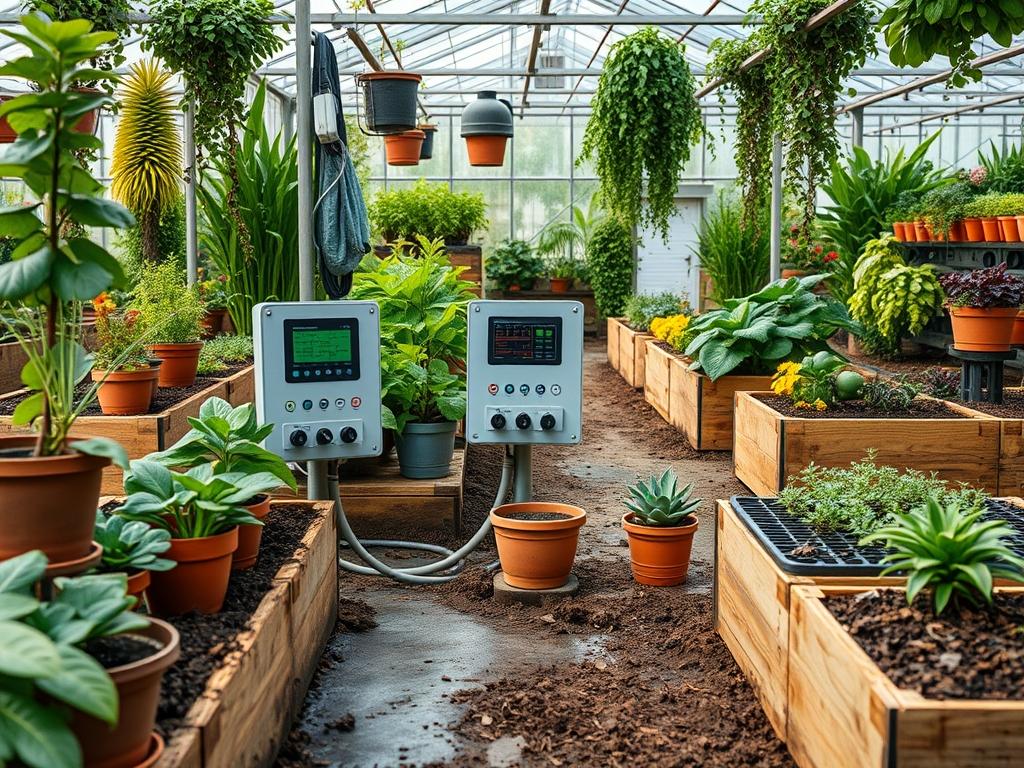
Modern landscape architecture has evolved far beyond the simple selection of aesthetic flora and the arrangement of stone pathways. Today, the integrity of a high-end residential or commercial property relies heavily on the marriage of biological needs and technological precision. As we navigate increasingly volatile climate patterns and stricter municipal water restrictions, the role of Smart Irrigation Control Panels has moved from a luxury addition to a fundamental infrastructure requirement. These sophisticated systems serve as the central nervous system of the outdoor environment, ensuring that the investment in curb appeal and functional living space is protected against the twin threats of dehydration and over-saturation. When a landscape consultant approaches a new project, the primary goal is to create a self-sustaining ecosystem that looks as vibrant in the heat of August as it does in the bloom of May. Achieving this requires a deep understanding of how water moves through various soil types and how different plant species respond to localized microclimates.
Effective outdoor functionality begins with the recognition that water is a finite resource. A well-designed landscape should be an extension of the home, providing a seamless transition between indoor comfort and outdoor serenity. However, this transition is often marred by inefficient watering schedules that lead to muddy patches, fungal growth, or wilting specimens. By integrating Smart Irrigation Control Panels, homeowners and property managers can leverage real-time weather data and soil moisture sensor feedback to automate the hydration process. This prevents the common mistake of watering during a rainstorm or failing to provide extra moisture during an unexpected heatwave. The impact on curb appeal is immediate; plants remain turgid and colorful, turf stays resilient under foot traffic, and the overall vitality of the garden reflects a level of care that manual systems simply cannot replicate.
Landscape Design Principles
The foundation of any professional landscape lies in the application of core design principles, starting with symmetry and visual balance. In a formal garden, symmetry creates a sense of order and grandeur, often achieved through mirrored planting beds or lined Boxwood hedges. In more contemporary, informal designs, we look for asymmetrical balance, where the visual weight of a large Oak tree on one side is balanced by a cluster of smaller shrubs or a significant hardscape element on the other. Smart Irrigation Control Panels are essential here because they allow for precise “hydrozoning,” which is the practice of grouping plants with similar water requirements together. This ensures that the high-water focal points remain lush without overwatering the drought-tolerant perimeter plants.
Elevation layers and focal points add depth to the visual experience. A flat yard often feels uninspired, so we introduce tiered retaining walls or raised planters to create vertical interest. These layers must be serviced by distinct irrigation zones managed by the controller. For instance, a raised stone planter dries out faster than a ground-level bed due to increased evaporation and drainage. A smart controller can be programmed to provide shorter, more frequent watering cycles for these elevated areas. Walkways also play a critical role in directing movement and defining spaces. When planning these paths, we must ensure that the irrigation lines are sleeved beneath the Pavers or Concrete during the initial construction phase. This foresight prevents the need to tear up expensive hardscaping later to repair or expand the system.
Plant and Material Selection
Selecting the right plant palette is a delicate balance of aesthetics and survival. The following table outlines a diverse selection of species often used in modern designs, categorized by their environmental needs.
| Plant Type | Sun Exposure | Soil Needs | Water Demand | Growth Speed | Maintenance Level |
| :— | :— | :— | :— | :— | :— |
| Lavender (Lavandula) | Full Sun | Well-drained, sandy | Low | Medium | Low |
| River Birch (Betula nigra) | Full to Part Sun | Moist, acidic | High | Fast | Medium |
| Japanese Maple (Acer palmatum) | Part Shade | Rich, loamy | Medium | Slow | Medium |
| Creeping Thyme (Thymus serpyllum) | Full Sun | Poor to average | Low | Fast | Very Low |
| Switchgrass (Panicum virgatum) | Full Sun | Any (Adaptable) | Low to Medium | Fast | Low |
| Hydrangea (Hydrangea macrophylla) | Part Shade | Rich, moist | High | Medium | High |
Implementation Strategy
The transition from a blueprint to a thriving garden requires a methodical implementation strategy. The process begins with professional Grading. Improper slope management is the leading cause of basement flooding and plant root rot. The land must be pitched away from permanent structures at a minimum of two percent. Once the grade is established, we install the primary drainage infrastructure, including French Drains or Catch Basins in low-lying areas. These systems work in tandem with Smart Irrigation Control Panels by managing the excess water that the soil cannot absorb.
After the skeleton of the garden is in place, we focus on edging and mulch application. Steel Edging or Stone Borders define the transition between turf and planting beds, keeping aggressive grass roots from invading sensitive floral areas. We recommend a Mulch depth of at least three inches of organic material, such as Shredded Cedar or Pine Bark. This layer suppresses weeds and retains moisture, allowing the irrigation system to run more efficiently. During the hardscaping phase, high-traffic areas are reinforced with a Crushed Stone base before laying the final surface material. This prevents settling and ensures the long-term stability of patios and walkways.
Common Landscaping Failures
One of the most frequent failures in professional landscaping is the neglect of proper spacing, often referred to as root overcrowding. It is a common temptation to plant for immediate “fullness,” but this leads to competition for nutrients and water within three to five years. When plants are crowded, airflow is restricted, which invites powdery mildew and pest infestations. Furthermore, improper spacing makes it nearly impossible for an irrigation system to provide uniform coverage. Smart Irrigation Control Panels can mitigate some stress by adjusting water delivery, but they cannot fix a fundamental design error.
Soil compaction is another silent killer of luxury landscapes. During construction, heavy machinery compresses the soil, destroying the pore spaces necessary for oxygen and water to reach the roots. If the soil is not properly aerated and amended with Organic Compost before planting, even the most advanced irrigation system will fail to keep the plants alive. Finally, irrigation inefficiency is often caused by mismatched nozzle heads. Mixing Rotary Sprays with Fixed Bubblers in the same zone leads to uneven watering. A professional must calibrate each zone to ensure the precipitation rate is consistent across the entire area.
Seasonal Maintenance
A landscape is a living entity that requires seasonal adjustments to its management protocol. In the Spring, the focus is on “unwaking” the system. This involves a full inspection of the Smart Irrigation Control Panels to ensure they are communicating with local weather stations. We also conduct a “wet test” to check for cracked pipes or clogged nozzles caused by winter freezes. This is the time to apply a pre-emergent herbicide and a balanced fertilizer to stimulate new growth.
During the Summer, the priority shifts to heat stress management. We adjust the smart controller to water in the early morning hours, typically between 4:00 AM and 7:00 AM, to minimize evaporation. Autumn is the season for renovation. We aerate the turf, overseed thinning patches, and adjust the irrigation frequency downward as the days shorten and temperatures drop. Finally, in Winter, the most critical task is a professional blow-out of the irrigation lines using an Air Compressor. This removes all standing water from the pipes, preventing them from bursting during a hard freeze. The smart controller should be placed in “standby” mode rather than being fully powered down to preserve its internal programming and software updates.
Professional Landscaping FAQ
How do Smart Irrigation Control Panels save money?
These systems reduce water waste by up to 50 percent by using local weather data to skip cycles during rain or high humidity. This lower consumption directly reflects in reduced monthly utility bills and prevents the costly replacement of overwatered, rotting plants.
Can I control my irrigation system while away from home?
Yes. Most modern smart controllers feature Wi-Fi connectivity and dedicated smartphone applications. This allows property owners to monitor water usage, manual start zones, or receive leak detection alerts from anywhere in the world, providing total peace of mind for frequent travelers.
What is the best way to handle poor soil drainage?
Poor drainage is best managed through a combination of physical grading and the installation of French Drains. By directing water toward a designated exit point or rain garden, you prevent soil saturation that leads to plant death and structural foundation damage.
Why is mulch necessary for irrigation efficiency?
Mulch acts as an insulating barrier for the soil. It significantly reduces the rate of evaporation from the ground surface, meaning your Smart Irrigation Control Panels can be programmed for less frequent cycles while still maintaining the necessary moisture levels for plant health.
Should I choose native plants for my landscape?
Native plants are highly recommended because they are biologically adapted to the local climate and soil conditions. They typically require less supplemental water once established and are more resistant to local pests, making them a sustainable choice for any modern garden design.