
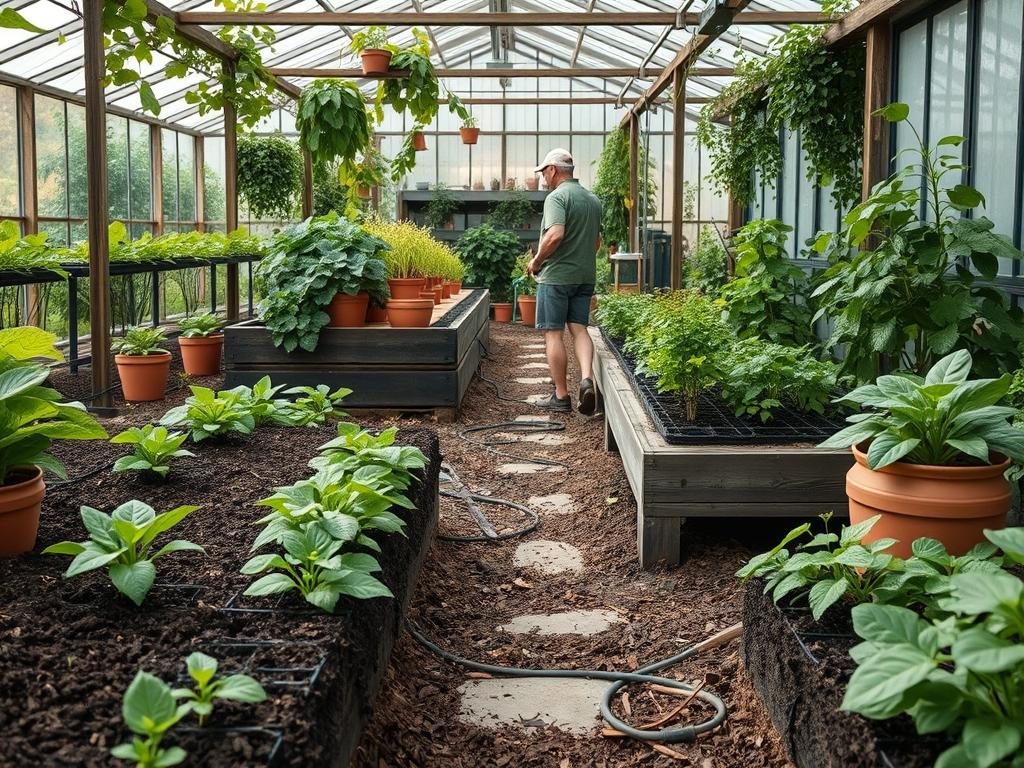
Achieving a high-performance landscape in the modern era requires a shift from purely aesthetic intuition to data-driven management. As environmental pressures mount and water costs rise, the integration of Smart Garden Sensor Tech has become a non-negotiable component for the sophisticated property owner. A landscape is no longer just a collection of flora; it is a living ecosystem that demands precise calibration to maintain its curb appeal and architectural integrity. When we approach a new site, we evaluate the topography, the prevailing winds, and the heat islands created by structures. Without localized data, even the most expensive horticultural installations risk failure due to the invisible variables of soil chemistry or subsurface moisture fluctuations. The transition from traditional gardening to smart environmental management ensures that your outdoor living space remains a functional extension of the home rather than a drain on resources.
Landscape Design Principles
Successful design begins with the mastery of visual balance and structural hierarchy. Symmetry often provides a sense of formality and order, while asymmetrical layouts evoke a more naturalistic, pastoral feel. Regardless of the chosen style, every garden needs a focal point. This could be a sculptural specimen tree, a bespoke stone fountain, or a high-end outdoor kitchen. These elements anchor the viewer’s eye and provide a sense of purpose to the space.
Elevation layers are equally critical. A flat yard lacks the dynamic energy found in landscapes that utilize retaining walls, terraces, and raised beds. By varying the height of planting zones, you create depth and allow for more complex drainage solutions. This is where Smart Garden Sensor Tech integrates into the fundamental design. Placing soil moisture probes at different elevation tiers allows a designer to understand how gravity affects water retention. Low-lying areas may require less irrigation, while the upper tiers of a berm might dry out rapidly under the afternoon sun.
Irrigation planning must be considered during the conceptual phase, not as an afterthought. We design zones based on hydro-zones, grouping plants with similar hydration needs together. Walkways should be planned to facilitate natural flow through the property, often using permeable pavers or decomposed granite to minimize runoff. By balancing hardscape and softscape, we create a visual harmony that supports the long-term health of the environment.
Plant and Material Selection
Selecting the right materials involves a deep dive into the specific microclimates of your property. The following table provides a guide for common species used in modern high-performance landscapes where sensor technology is utilized to optimize growth.
| Plant Type | Sun Exposure | Soil Needs | Water Demand | Growth Speed | Maintenance Level |
| :— | :— | :— | :— | :— | :— |
| Japanese Maple | Partial Shade | Well-Drained Acidic | Moderate | Slow | Medium |
| Lavender | Full Sun | Sandy/Well-Drained | Low | Moderate | Low |
| Boxwood | Full/Partial | Loamy/Neutral | Moderate | Slow | Medium |
| Fescue Grass | Full/Partial | Variable | High | Fast | High |
| Dwarf Palmetto | Full/Partial | Moist/Heavy Clay | Moderate | Slow | Low |
| Switchgrass | Full Sun | Adaptable | Low | Fast | Low |
For hardscaping, we prioritize materials like flagstone, travertine, and pressure-treated lumber for structural supports. When installing Smart Garden Sensor Tech, ensure that sensors are placed in PVC conduit or protected housing if they are located near high-traffic paths or heavy mulch layers.
Implementation Strategy
The transition from a blueprint to a physical landscape requires a disciplined, step by step strategy. The first phase is always site preparation, which includes grading. Proper grading ensures that water moves away from the foundation of the home and toward appropriate drainage outlets or rain gardens. We typically recommend a minimum 2 percent slope for turf areas to prevent standing water.
Once the grade is established, we move to hardscaping and the installation of underground utilities. This is the ideal time to run wiring for smart hubs and automated valves. If you are using wireless Smart Garden Sensor Tech, check the signal strength across the property before burying any components. Edging is then installed to create crisp definitions between turfgrass, flower beds, and gravel paths. Use steel edging or poured concrete curbs for a permanent, professional finish.
After the structural elements are in place, soil amendment is necessary. We often incorporate compost and vermiculite to a depth of 6 inches to improve the cation exchange capacity of the soil. When planting, ensure that the root ball is slightly above the soil line to prevent crown rot. Finally, apply a 3-inch layer of hardwood mulch or pine bark to regulate soil temperature and suppress weeds. Sensors should be calibrated immediately after the first deep watering to establish a baseline for your automated systems.
Common Landscaping Failures
The most frequent mistake in modern landscaping is poor drainage management. When water accumulates around root systems, it replaces the oxygen in the soil pores, effectively suffocating the plant. This is why Smart Garden Sensor Tech is so valuable; it can alert a homeowner to saturated conditions long before the plant shows signs of chlorosis.
Root overcrowding is another silent killer. Many homeowners plant for the current size of the nursery pot rather than the mature spread of the species. An Oak tree planted five feet from a retaining wall will eventually heave the masonry, leading to expensive repairs. Similarly, soil compaction from heavy foot traffic or construction equipment prevents water infiltration and root expansion.
Irrigation inefficiencies often stem from “set it and forget it” mentalities. Traditional timers do not account for rainfall or humidity changes. Without a smart weather station or hygrometer, systems often run during rainstorms, wasting thousands of gallons of water and leaching essential nutrients like nitrogen and potassium from the soil profile.
Seasonal Maintenance
Landscape management is a year-round commitment that changes with the tilt of the earth. In the spring, the focus is on reactivation. We test all irrigation heads, clean sensor probes, and apply a slow-release fertilizer. This is also the time for structural pruning of deciduous trees before the sap begins to flow heavily.
Summer maintenance is dominated by water management and heat stress mitigation. During July and August, Smart Garden Sensor Tech becomes the primary tool for survival. We monitor soil moisture levels daily and adjust irrigation cycles to the early morning hours to minimize evaporative loss. Mulch levels should be inspected and replenished if they have thinned to less than 2 inches.
Autumn is the season for soil health and preparation. We perform core aeration on lawns to combat compaction and overseed with cool-season grasses. Sensors can help determine the exact timing for the final deep watering before the ground freezes. In winter, the priority shifts to protection. We winterize backflow preventers, drain irrigation lines, and protect sensitive sensors from extreme frost. For properties in colder climates, removing battery-powered smart devices and storing them indoors will significantly extend their lifespan.
Professional Landscaping FAQ
How does Smart Garden Sensor Tech reduce water bills?
These systems use real-time data to prevent unnecessary irrigation. By monitoring evapotranspiration rates and soil moisture, sensors ensure that water is only applied when the plant actually requires it, often reducing consumption by thirty to fifty percent.
What is the best way to fix poor soil drainage?
Installing a French drain or a dry creek bed is the most effective solution. These structures redirect excess surface water into catch basins or lower parts of the property where it can safely infiltrate without damaging root systems.
Should I use organic or synthetic mulch?
Organic mulch, such as shredded cedar, is generally superior because it improves soil structure as it decomposes. However, synthetic options like rubber mulch may be appropriate for high-traffic play areas where moisture retention and soil health are secondary.
How deep should I plant new shrubs?
Shrubs should be planted so that the top of the root ball is level with or slightly above the surrounding soil. Planting too deep leads to trunk rot, while planting too shallow can cause the roots to dry out.
Can sensors detect nutrient deficiencies?
Advanced Smart Garden Sensor Tech can measure the electrical conductivity of the soil. While they might not pinpoint specific minerals, they provide a general index of the salt and nutrient concentrations, signaling when it is time to apply fertilizer.