
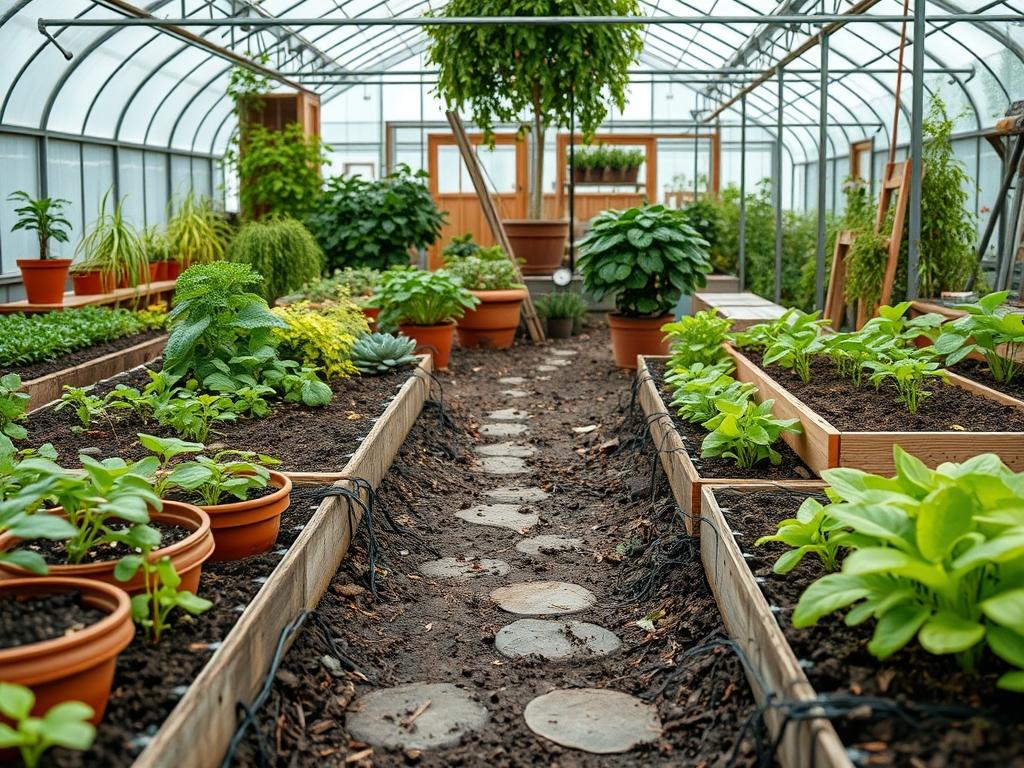
Professional landscape architecture begins long before the first shovel hits the ground or the first Japanese Maple is positioned as a focal point. It starts with a comprehensive understanding of the subterranean environment, specifically the biochemical composition of the terrain. For high-end residential projects and commercial green spaces, the margin for error is razor-thin. Owners invest thousands of dollars in ornamental grasses, hardscape pavers, and automated irrigation systems, yet many projects fail within the first two years due to a fundamental misunderstanding of the site’s soil biology. Achieving a balance between curb appeal and long-term sustainability requires a data-driven approach. By integrating Smart Garden Soil Testing Tips into the initial planning phase, consultants can ensure that the selected flora thrives in its specific microclimate. This modern methodology transforms traditional gardening into a precise science, allowing for optimized nutrient delivery and drainage management that supports complex elevation changes and functional outdoor living zones.
Landscape Design Principles
A successful landscape design is more than an aesthetic arrangement; it is a structural dialogue between the built environment and the natural world. Symmetry plays a vital role in providing a sense of order and prestige, especially in formal entryways. By echoing the architectural lines of a residence with boxwood hedges or custom retaining walls, a designer creates a cohesive visual flow. Focal points, such as a tiered water feature or an ancient Quercus virginiana, draw the eye through the space and define the hierarchy of the garden.
Elevation layers are equally critical for adding depth and interest to otherwise flat parcels. Using terraced planters or natural stone steps allows a designer to create distinct “rooms” within the outdoor space. This verticality must be supported by sub-grade engineering. Effective irrigation planning ensures that water reaches the root zones of varied canopy heights without causing erosion on slopes. Furthermore, the selection of materials for walkways, such as permeable pavers or decomposed granite, must facilitate movement while respecting the transition between high-traffic zones and quiet, secluded groves. Visual balance is achieved by contrasting heavy textures, like basalt boulders, with the ethereal movement of Mexican Feather Grass.
Plant and Material Selection
Selecting the right biological assets requires a comparison between the site’s environmental constraints and the physiological needs of the species. The following table provides a professional baseline for common landscape selections.
| Plant Type | Sun Exposure | Soil Needs | Water Demand | Growth Speed | Maintenance Level |
| :— | :— | :— | :— | :— | :— |
| Evergreen Shrub | Full Sun to Part Shade | Loamy, Well-drained | Moderate | Medium | Low |
| Deciduous Tree | Full Sun | Deep, Fertile | Consistent | Moderate | Medium |
| Perennial Groundcover | Shade to Part Sun | High Organic Matter | Low | Fast | Low |
| Ornamental Grass | Full Sun | Sandy/Rocky | Low | Fast | Annual Pruning |
| Specimen Shrub | Full Sun | Acidic, Managed pH | High | Slow | High |
Implementation Strategy
The transition from a blueprint to a living environment requires a systematic implementation strategy. The first step involves professional grading to ensure water moves away from the home’s foundation and toward designated bioswales or French drains. Even a minor 2 percent slope can be the difference between a healthy lawn and a stagnant pool of mud. Once the topography is set, the layout is marked using surveyor’s stakes and marking paint.
This is the optimal stage to apply Smart Garden Soil Testing Tips by deploying connected soil sensors across different zones of the property. These sensors provide real-time data on nitrogen, phosphorus, and potassium (NPK) levels, as well as moisture and temperature. This data allows the consultant to adjust the soil composition with specific amendments or organic compost before the heavy machinery arrives. After the soil is conditioned, edging is installed to create clean divisions between turf and planting beds. A heavy application of 3 inches of hardwood mulch is then distributed to suppress weeds and retain moisture. For hardscaping, professionals use compacted road base and leveling sand to ensure that patios and pathways remain level through seasonal freeze-thaw cycles.
Common Landscaping Failures
The most frequent failures in high-end landscaping often stem from a lack of foresight regarding the maturity of the plants. Root overcrowding is a silent killer; when a 2-inch caliper tree is planted in a hole too small for its future root spread, it may eventually suffer from root girdling, which chokes the vascular system of the tree. Compaction of the soil is another common issue during the construction phase. Heavy equipment often crushes the air pockets within the soil, preventing oxygen from reaching the roots.
Drainage mistakes remain a primary source of property damage and plant loss. Many installers fail to account for hydrostatic pressure behind retaining walls, leading to structural collapse if weep holes are not properly integrated. Irrigation inefficiencies are also rampant. Over-watering is just as detrimental as under-watering; it leads to fungal pathogens and root rot. By ignoring Smart Garden Soil Testing Tips, many coordinators apply excessive fertilizers that the soil cannot absorb. This leads to nutrient runoff that pollutes local waterways and shocks the very plants they are trying to nourish. Finally, improper spacing of shrubs at the time of installation often leads to a tangled, unmanageable mess within five years, requiring expensive and frequent restorative pruning.
Seasonal Maintenance
Landscape management is an ongoing cycle that changes with the tilt of the earth. In the spring, the focus is on “awakening” the garden. This involves testing the soil again to see how winter leaching has affected nutrient levels. Designers should apply a pre-emergent herbicide and prune back dead wood from the previous season. Summer maintenance is primarily about water management and heat stress mitigation. Deep, infrequent watering encourages roots to grow deeper into the cooler subsoil.
Autumn is the ideal time for “resetting” the landscape. This includes aerating the turf to combat summer compaction and planting new bulbs or deciduous trees while the soil is still warm but the air is cool. It is also the season for a final round of Smart Garden Soil Testing Tips to determine if late-season fertilization is necessary to strengthen root systems before dormancy. Winter is a period of structural observation. Professionals should inspect hardscape joints and monitor evergreen needles for signs of desiccation. It is also the time to clean and calibrate landscape lighting and automated controllers to prepare for the surge of spring growth.
Professional Landscaping FAQ
Why is soil testing necessary before planting?
Soil testing identifies nutrient deficiencies and pH imbalances that are invisible to the eye. This data ensures you select plants compatible with the environment, preventing expensive replacements and ensuring vigorous growth from the first season of installation.
How do smart soil sensors improve garden health?
Smart sensors provide real-time monitoring of moisture and salt levels. This technology allows for precision irrigation, ensuring that zones with high drainage receive more water while preventing saturation in low-lying areas, ultimately saving money and water resources.
What is the best way to prevent soil compaction?
During construction, limit heavy machinery to specific “travel lanes” and use timber mats to distribute weight. Post-construction, regular aeration and the addition of organic mulch help maintain soil structure and allow oxygen to reach the root zones.
Can I fix a drainage issue without a complete remodel?
Often, yes. Integrating a dry creek bed or a French drain can redirect surface runoff effectively. Improving the soil structure with organic matter also increases the soil’s natural permeability, allowing for better water infiltration over time.
How often should I recalibrate my irrigation system?
A professional should audit the system at least twice a year. Spring audits ensure no lines burst during winter, while mid-summer checks confirm that the drip emitters or rotary heads are providing adequate coverage during the hottest months.