
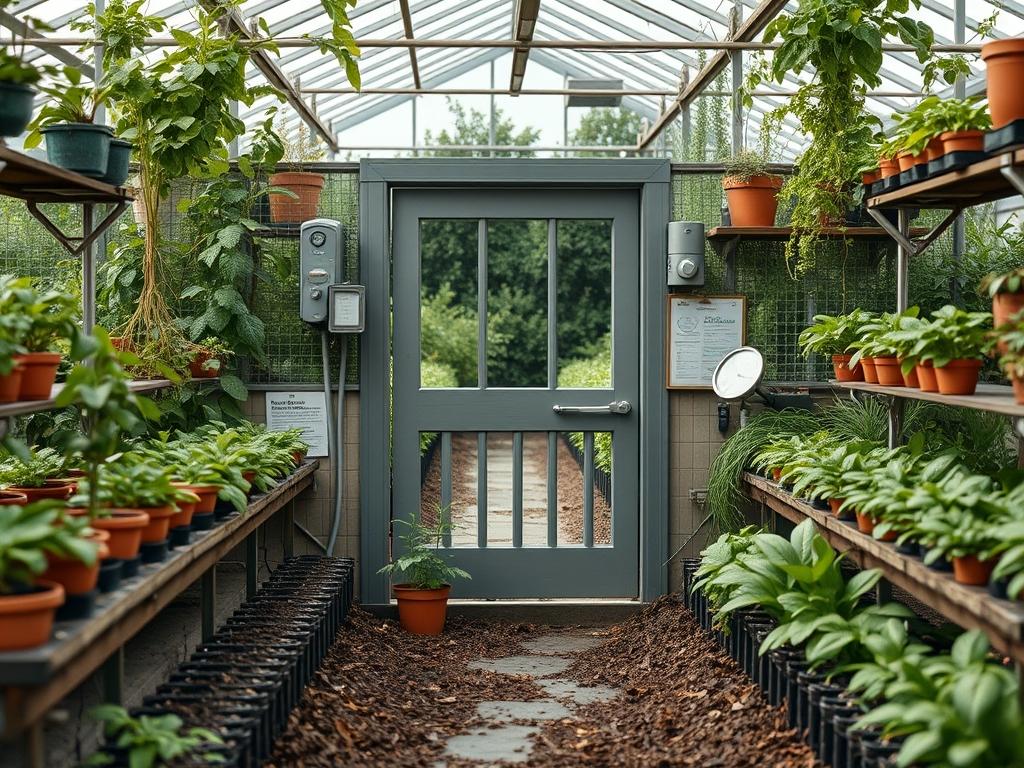
The threshold of a property serves as the primary handshake between an estate and its visitors. It represents the point where architectural intent meets functional security, creating a transition that defines the overall character of the home. In modern landscape architecture, the integration of Automated Garden Gate Tech has evolved from a luxury convenience into a central design feature that bridges the gap between smart home utility and outdoor aesthetics. When we approach the installation of an entrance system, we must consider the site topography, the local climate, and the underlying soil conditions that support the mechanical infrastructure. A gate is never an isolated object; it is a moving part of a larger ecosystem that includes retaining walls, lighting conduits, and sophisticated irrigation systems. Designing this space requires a balance of heavy engineering and delicate horticulture to ensure that the hardware does not overwhelm the natural beauty of the garden.
Success in modern gate installation depends heavily on understanding the relationship between the physical weight of the materials and the power of the automation. We often see residential projects where the aesthetic choice of heavy wrought iron or solid IPE timber conflicts with the motor capacity or the ground stability. As a landscape architect, I prioritize the initial site assessment to determine if the ground can support the reinforced concrete footings required for high performance Automated Garden Gate Tech. If the soil has high clay content or poor drainage, the frost heave in winter can shift the alignment of the tracks or hinges, leading to mechanical failure. Therefore, the planning stage must account for subsurface stability as much as visual impact. By selecting the right hardware, such as articulated arm openers, linear actuators, or underground hydraulic motors, we can create a seamless experience that feels integrated rather than an afterthought.
Landscape Design Principles
The placement of a gate must adhere to the core principles of symmetry and visual balance to feel grounded within the space. When we design an entrance, we look at the elevation layers to ensure the gate serves as a focal point without obstructing the sightlines of the house. A well placed gate creates a sense of arrival. We use natural stone pilasters to frame the opening, providing a sturdy anchor for the automated garden gate tech sensors. These pillars should correlate with the height of the surrounding retaining walls or perimeter fencing to create a unified boundary. If the property sits on a slope, we might opt for a cantilevered sliding gate to avoid the complications of a swinging arc on an incline.
Walkway integration is another critical factor in a professional landscape plan. The path leading from the gate to the main entrance should use materials that complement the gate frame, such as bluestone pavers or decomposed granite. We also consider the transition of light. Low voltage LED path lighting should be wired into the same control system as the gate, ensuring that when the gate opens at night, the walkway illuminates simultaneously. This creates a safe, welcoming environment while highlighting the texture of the masonry and the foliage of the bordering gardens.
Visual balance is achieved by layering plantings around the mechanical components. While the gate provides security, the landscape provides softness. We use vertical elements like columnar evergreens to echo the height of the gate posts, while lower shrubs and groundcovers help hide the visible housing of the motorized operators. It is essential to leave a 12 inch clearance between the moving parts of the gate and any woody plants to prevent damage to either the machinery or the botanical specimens as they mature.
Plant and Material Selection
The following table outlines plants that pair well with the structural requirements of gate entrances, focusing on species that offer visual interest without interfering with the mechanical operation of Automated Garden Gate Tech.
| Plant Type | Sun Exposure | Soil Needs | Water Demand | Growth Speed | Maintenance Level |
| :— | :— | :— | :— | :— | :— |
| Buxus sempervirens | Full Sun to Shade | Well Drained | Moderate | Slow | Low |
| Lavandula angustifolia | Full Sun | Sandy/Gravelly | Low | Medium | Moderate |
| Miscanthus sinensis | Full Sun | Adaptable | Moderate | Fast | Low |
| Hydrangea paniculata | Partial Sun | Rich/Moist | High | Medium | Moderate |
| Trachelospermum jasminoides | Full Sun / Part Shade | Loamy | Moderate | Fast | High (Pruning) |
| Taxus baccata | Part Shade to Shade | Neutral pH | Moderate | Slow | Low |
Implementation Strategy
Planning the layout for Automated Garden Gate Tech begins with a precise survey of the property line and an analysis of the grading. We must ensure that the area where the gate operates is perfectly level to prevent unnecessary strain on the electric motors. Once the footprint is established, we begin the excavation for the concrete footings. These footings usually need to reach a depth of at least 36 inches in colder climates to stay below the frost line, providing a stable base for the steel mounting plates.
Following the structural foundation, we address the electrical requirements. We install PVC conduits to run high voltage power to the main operator and low voltage wires for keypads, safety loops, and photoelectric sensors. It is often wise to include a backup battery system housed in a weatherproof enclosure to ensure functionality during power outages. For the hardscaping, we use a 6 inch layer of compacted 21A gravel beneath any pavers to prevent settling near the gate track.
The final step involves the installation of the gate itself and the calibration of the technical components. We utilize stainless steel hinges or heavy duty rollers to minimize friction. After the hardware is mounted, we program the geofencing triggers and smartphone integration features. This allows the gate to open automatically as a recognized vehicle approaches, providing a truly modern experience. Once the mechanical work is complete, we apply a 3 inch layer of organic cedar mulch around the peripheral planting beds to retain moisture and suppress weeds near the signal sensors.
Common Landscaping Failures
The most frequent mistake in gate projects is a failure to address drainage. If water pools around the base of the gate motor or the electronic housing, it will lead to short circuits and corrosion. We always install a french drain or a catch basin near the entrance to divert runoff away from the technical components. Another common error is root overcrowding. Planting a tree like a Liquidambar or an Acer too close to the gate will eventually lead to the roots lifting the concrete footings or the driveway surface, throwing the automated garden gate tech out of alignment.
Soil compaction is another silent killer of both plants and infrastructure. During the construction of a gate, heavy machinery often packs the earth so tightly that water can no longer penetrate, and roots cannot breathe. We use core aeration or soil amendments like gypsum to restore the soil structure after the gate is installed. Finally, many homeowners neglect the spacing requirements for the gate arc. A swinging gate requires a clear path through its entire range of motion. If the irrigation heads are placed within this arc, they are likely to be crushed or damaged by the moving gate or vehicular traffic.
Seasonal Maintenance
Landscape management is a year round commitment, especially when mechanical systems are involved. In the spring, we focus on cleaning the optical sensors and checking the electrical connections for any signs of pest intrusion, such as ant nests or rodent damage. This is also the time to apply a balanced 10-10-10 fertilizer to the surrounding plants to encourage lush growth that frames the entrance.
During the summer, the focus shifts to irrigation and pruning. We must ensure that the native plants and shrubs are not encroaching on the gate track or blocking the infrared beams. In autumn, the primary task is debris removal. Fallen leaves and twigs can clog the sliding tracks of Automated Garden Gate Tech, causing the motor to burn out. We recommend a weekly sweep of the gate area during the peak of leaf fall.
Winter presents the greatest challenge for automated systems. We apply a silicone based lubricant to all moving parts, including pivots and chains, to prevent them from seizing in freezing temperatures. If the property uses de-icing salts on the driveway, it is vital to wash the base of the gate frequently to prevent the salt from corroding the powder-coated finish or the galvanized steel frame.
Professional Landscaping FAQ
What is the best material for an automated gate in a humid climate?
Aluminum is often the superior choice because it is naturally resistant to rust and lighter than wrought iron. This puts less strain on the automated garden gate tech motors while maintaining a high end appearance over many years.
How do I prevent my gate from hitting objects or people?
We install photoelectric eyes and pressure sensitive edges. These sensors detect obstructions in the path of the gate and immediately signal the control board to reverse the motor, ensuring the safety of pedestrians and vehicles.
Can I power my automated gate with solar energy?
Yes, many modern systems are compatible with solar panels. This is an excellent option for remote entrances where running an electrical conduit from the main house would be cost prohibitive or disruptive to the existing native plant beds.
How much clearance does a sliding gate need?
A sliding gate requires a horizontal space slightly longer than the width of the driveway. You must ensure that the retaining walls and peripheral foliage are set back far enough to allow the gate to retract fully without interference.
How often should I service the gate hardware?
We recommend a professional inspection every 6 months. This includes checking the limit switches, tightening the mounting bolts, and ensuring the drainage pipes are clear to prevent water accumulation near the sensitive electronic components.