
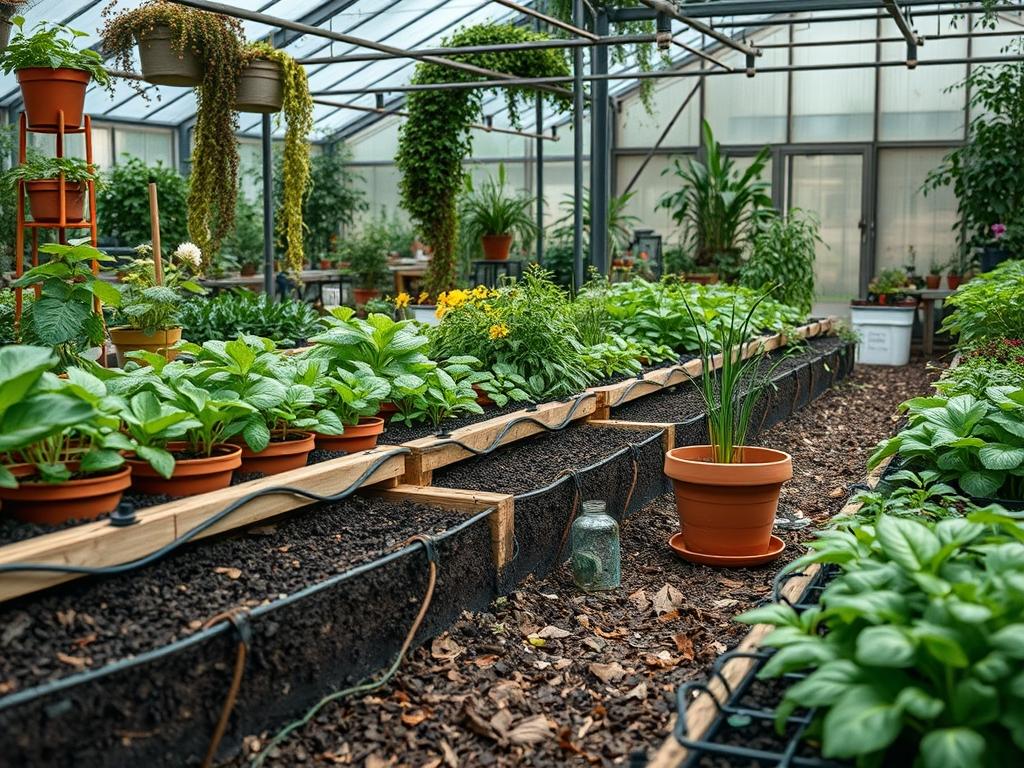
The intersection of horticulture and automation has redefined the role of the outdoor environment. Homeowners now seek more than just aesthetic appeal; they require functional landscapes that respond to environmental changes in real-time through Smart Garden Design Tech. The professional landscaping challenge today involves balancing biological needs with technical infrastructure. A well-designed smart garden must address climate variability, maximize curb appeal, and ensure that every square foot of the property serves a purpose. As we integrate sensors, automated irrigation, and connected lighting, the goal remains the same: creating a harmonious space where technology enhances nature rather than obscuring it. This approach requires a deep understanding of site conditions, from solar orientation to soil composition, ensuring that the final execution is both resilient and intelligent.
Landscape Design Principles
Effective Smart Garden Design Tech begins with the foundational principles of landscape architecture, adapted for the digital age. Symmetry and visual balance provide the framework for the garden. By using CAD software and drone imagery, designers can map out perfectly mirrored plant beds or geometric pathways that guide the eye toward specific focal points. These focal points might include a specimen tree like a Ginkgo biloba or a high-tech water feature controlled via a smartphone application.
Elevation layers are critical for creating depth and interest. A flat yard feels clinical and uninspired. By incorporating retaining walls built from natural stone or interlocking concrete blocks, designers create vertical transitions that define different “rooms” in the garden. These elevation changes also serve a functional purpose; they allow for the discrete installation of low-voltage wiring and irrigation sub-mains beneath the surface.
Irrigation planning has evolved from simple timers to weather-responsive networks. Using Smart Irrigation Controllers, the system analyzes local meteorological data to prevent watering during rain events. The layout should be divided into hydrozones, grouping plants with similar water requirements together. This prevents the common issue of overwatering succulents while thirsty perennials suffer. Furthermore, the integration of soil moisture sensors buried at the 6-inch depth ensures that water is only delivered when the root zone actually requires it.
Walkways and circulation paths should be both functional and expressive. Utilizing permeable pavers or decomposed granite allows for better water infiltration, reducing runoff and protecting the local watershed. When these paths are illuminated with smart LED bollard lights, the garden becomes usable 24 hours a day. These lighting systems can be programmed to adjust their color temperature and intensity based on the time of year or specific social events, adding a layer of sophisticated ambiance that traditional lighting cannot match.
Plant and Material Selection
Selecting the right biological components is essential for the longevity of a high-tech landscape. The following table outlines several popular choices that pair well with automated maintenance systems.
| Plant Type | Sun Exposure | Soil Needs | Water Demand | Growth Speed | Maintenance Level |
| :— | :— | :— | :— | :— | :— |
| Lavender (Lavandula) | Full Sun | Well-drained sandy | Low | Medium | Low |
| Boxwood (Buxus) | Full to Part Sun | Loamy, neutral pH | Moderate | Slow | Medium |
| Fountain Grass | Full Sun | Average to moist | Moderate | Fast | Low |
| Japanese Maple | Part Shade | Rich, acidic | Moderate | Slow | High |
| Hostas | Full Shade | Loose, organic | High | Medium | Low |
| Sedum (Stonecrop) | Full Sun | Poor, rocky | Very Low | Fast | Very Low |
In addition to plants, material selection defines the durability of the space. Kiln-fired bricks, composite decking, and powder-coated aluminum are preferred for their resistance to UV degradation and moisture. These materials integrate seamlessly with tech components like hidden outdoor speakers and Wi-Fi extenders, providing a clean finish that hides the complexity of the underlying systems.
Implementation Strategy
Implementing a smart landscape requires a phased approach to ensure that the technical infrastructure is properly buried and protected. The first step is land grading. Using a skid-steer loader or mini-excavator, the site must be shaped to direct water away from the home foundation and toward designated drainage areas or subterranean cisterns. Proper grading ensures that the high-tech sensors and lighting fixtures do not sit in standing water, which can lead to electrical shorts or corrosion.
Once the grade is established, the next phase involves the installation of hardscaping and utilities. This is the moment to lay PVC conduits for future wiring needs. Even if a homeowner does not plan to install a full speaker system or robotic mower perimeter wire immediately, having the conduits in place saves significant costs later. Retaining walls should be constructed with a 4-inch perforated drain pipe behind the wall, backfilled with 3/4-inch crushed gravel to prevent hydrostatic pressure from causing a structural failure.
Edging and mulching follow. Steel edging or heavy-duty plastic benders provide a clean line between turf and planting beds, making it easier for robotic lawn mowers to navigate the perimeter. In the planting beds, a 3-inch layer of organic cedar mulch or pine bark nuggets should be applied. This mulch layer suppresses weeds, regulates soil temperature, and protects the drip irrigation tubing from UV exposure.
The final step is the calibration of the Smart Garden Design Tech. This involves syncing the gateway hubs with the local network and testing each irrigation zone. Technicians should verify that the flow meters are registering the correct gallons per minute and that the automated valves close completely once the cycle is finished.
Common Landscaping Failures
The most frequent failure in smart landscapes is improper drainage design. Even the most advanced smart sensors cannot compensate for a yard that has been improperly sloped. When water pools in certain areas, it create anaerobic soil conditions that suffocate plant roots and damage sensitive electronic components. Ensuring a 2 percent minimum slope away from all structures and tech hubs is a non-negotiable standard in professional design.
Root overcrowding is another significant issue, especially when homeowners choose plants based on their size at the nursery rather than their mature dimensions. A Japanese Maple planted too close to a foundation wall or an automated lighting controller will eventually cause structural disruption. Space must be allocated for the mature spread of both the canopy and the root system.
Soil compaction is often overlooked during the construction phase. Heavy machinery moving across the site compresses the soil, destroying the pore spaces that hold air and water. Before planting, it is necessary to use a mechanical tiller or aerator to loosen the soil and incorporate organic compost. This ensures that the moisture sensors provide accurate readings of the entire root zone rather than just the surface layer.
Finally, irrigation inefficiencies often stem from “head-to-head” coverage mistakes. If the pop-up spray heads are not spaced correctly, dry spots will emerge, triggering the smart system to run longer and wasting water. Precision in the physical placement of hardware is just as important as the software that controls it.
Seasonal Maintenance
Maintaining a high-tech garden requires a blend of traditional yard work and technical updates. In the spring, the focus is on reactivation. This includes flushing the irrigation lines to remove debris, replacing batteries in wireless sensors, and applying a fresh layer of pre-emergent herbicide to prevent weed seeds from germinating in the mulch.
Summer maintenance centers on monitoring. As temperatures rise, the Smart Garden Design Tech will likely increase water frequency. It is important to manually inspect the drip emitters to ensure they are not clogged by mineral deposits. Pruning should be done with bypass pruners to maintain the shape of shrubs and ensure they do not grow over the solar panels that power the garden lights.
Autumn is the season for preparation. Clearing fallen leaves is vital, as a thick layer of wet foliage can interfere with the signals of robotic mowers and trap moisture against the bark of trees, leading to fungal issues. This is also the time to aerate the lawn and overseed with cool-season grasses if applicable.
Winter maintenance involves protecting the hardware. In colder climates, backflow preventers must be drained and insulated to prevent freezing and cracking. If the system uses a submersible pump for a pond or fountain, it should be removed and stored in a frost-free area or kept running with a pond de-icer to maintain an oxygen hole for any aquatic life.
Professional Landscaping FAQ
What is the primary benefit of Smart Garden Design Tech?
It optimizes resource usage by providing real-time data on soil moisture and weather patterns. This prevents water waste and ensures plants receive the exact nutrients and hydration required for peak health and growth throughout the varying seasons.
Can I retrofit an older garden with smart technology?
Yes, most existing systems can be upgraded. You can replace an old timer with a smart controller and install wireless soil sensors and low-voltage LED converters without needing to excavate the entire landscape or redesign the garden beds.
How does smart irrigation save money on utility bills?
By using local weather stations to skip watering cycles during rain or high humidity, these systems reduce unnecessary water consumption. Most users see a 30 to 50 percent reduction in outdoor water usage after switching to automated, sensor-based delivery.
Are smart garden devices difficult to maintain in winter?
They require basic winterization similar to traditional systems. You must drain pipes to prevent freezing, but the digital components and smart hubs generally remain robust if they are housed in weather-rated enclosures or kept in a garage or basement.
Does high-tech landscaping increase my property value?
Modern buyers value sustainability and low-maintenance features. A fully integrated smart garden demonstrates significant investment in the property’s infrastructure, often yielding a higher return on investment than traditional landscaping due to its efficiency and modern aesthetic appeal.