
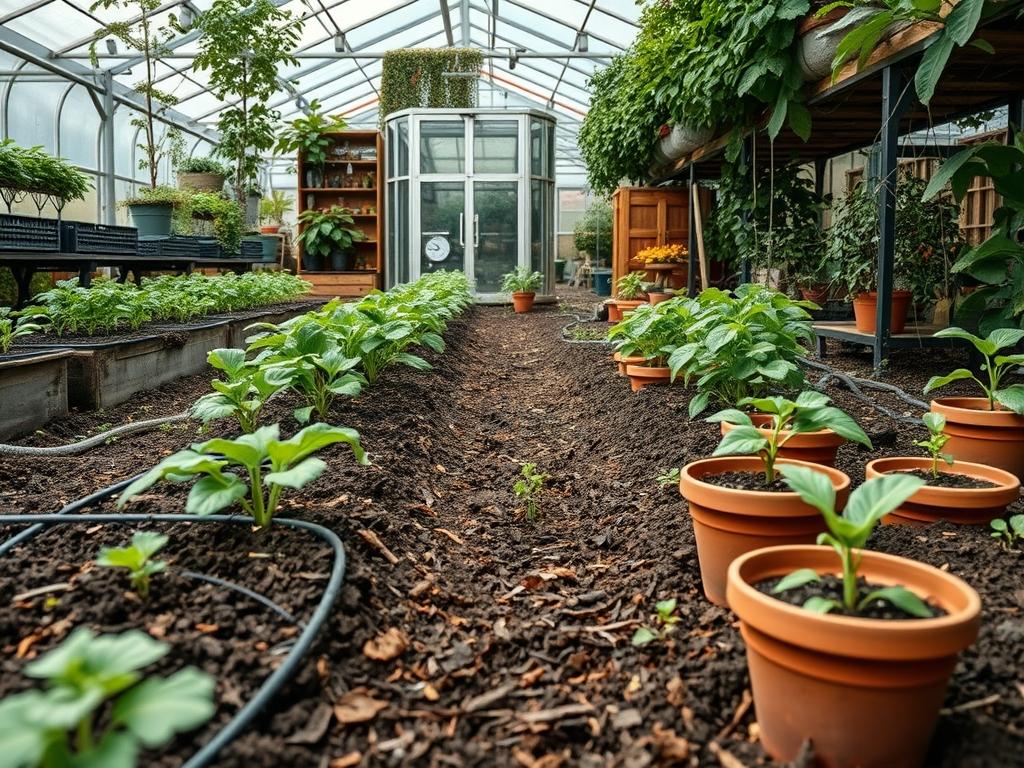
Landscape architecture is frequently a gamble against the unpredictability of the vernal transition. For decades, designers and environmental consultants relied on historic frost dates and anecdotal regional wisdom to time their spring installations. However, the modern standard for high-end residential and commercial projects has shifted toward data-driven precision. The integration of Smart Soil Thermal Probes represents a significant leap forward in ensuring the survivability of early-season specimens. These devices allow a consultant to calculate the precise moment when the subterranean environment becomes hospitable for root development, regardless of the ambient air temperature. By monitoring the internal temperature at different depths, typically at 4 inches and 12 inches below the surface, a landscape architect can avoid the catastrophic losses associated with late-season cold snaps. This precision directly translates to enhanced curb appeal and the immediate realization of outdoor functionality goals. When the soil reaches a consistent 55 degrees Fahrenheit, the biological activity required for root establishment begins in earnest. Deploying technology to capture this data ensures that expensive nursery stock is not wasted on dormant, frozen, or waterlogged ground.
Landscape Design Principles
Successful landscape design is rooted in the interplay between aesthetic form and biological function. When planning a site that utilizes thermal monitoring, symmetry and focal points must be considered alongside the thermal mass of hardscape elements. For instance, Retaining walls built from Natural Stone or Concrete Pavers act as heat sinks, absorbing solar radiation during the day and radiating it back into the adjacent soil at night. This creates a microclimate that might be several degrees warmer than the open lawn. A professional designer uses Smart Soil Thermal Probes to map these variances, allowing for the placement of more sensitive focal point plants in these protected zones.
Elevation layers also play a critical role in thermal distribution. Cold air is denser than warm air and tends to settle in low-lying areas of the property, a phenomenon known as frost pockets. By using a Laser Level to determine the precise grading of the site, a consultant can predict where thermal readings might lag. Integrating walkways and all-season paths into the layout serves more than a circulatory purpose; these structures influence how water moves across the surface. Proper irrigation planning must then be mapped to these thermal zones. Higher elevations may dry out and warm up faster, while lower, poorly drained areas remain cold and saturated longer, potentially leading to root rot if the planting schedule is not adjusted accordingly. Visual balance is achieved when the health of the flora is uniform across the site, a feat only possible when the designer respects the subterranean data.
Plant and Material Selection
The following table outlines high-performance selections for early spring installation, categorized by their environmental requirements and expected growth patterns.
| Plant Type | Sun Exposure | Soil Needs | Water Demand | Growth Speed | Maintenance Level |
| :— | :— | :— | :— | :— | :— |
| Helleborus | Partial Shade | Humus Rich | Moderate | Moderate | Low |
| Cornus sericea | Full Sun | Moist / Clay | High | Fast | Medium |
| Lavandula | Full Sun | Well-Drained | Low | Moderate | Medium |
| Sedum spectabile | Full Sun | Sandy / Lean | Low | Fast | Low |
| Taxus baccata | Shade / Sun | Loamy | Moderate | Slow | Medium |
| Panicum virgatum | Full Sun | Adaptable | Low | Fast | Low |
| Picea glauca | Full Sun | Acidic | Moderate | Slow | Low |
When selecting these materials, the landscape architect must consider the mulch type to be used. Hardwood Mulch provides excellent insulation but can delay the warming of the soil in early spring by blocking sunlight. Conversely, Pine Bark Nuggets allow for more airflow and faster thermal gain. The choice of native plants is generally preferred, as these species have evolved to handle local temperature fluctuations, yet even they benefit from the precise timing offered by Smart Soil Thermal Probes.
Implementation Strategy
The implementation of a tech-enabled garden begins with a comprehensive site analysis. First, use a Hand-held Auger to take core samples at various points. This determines if the drainage is sufficient or if the site requires a French drain system. Once the grading is finalized, the Smart Soil Thermal Probes should be installed in key zones: one in a high-exposure area, one in a shaded area, and one near a significant hardscape feature like a Retaining wall.
The sensors should be buried at a depth of at least 6 inches to avoid surface noise from fluctuating air temperatures. Connect these probes to a centralized hub or a mobile application to monitor the daily averages. While waiting for the soil to hit the target temperature of 50 to 55 degrees Fahrenheit, the contractor should focus on edging and preparing the planting beds. A clean edge provides a professional finish and prevents the encroachment of turf grass into the ornamental areas.
When the data indicates the soil is ready, begin with the largest specimens first to establish the structural backbone of the design. Use a Spade or Power Auger to create holes twice the width of the root ball. Backfill with a mixture of native soil and organic compost, ensuring no air pockets remain. Finally, apply a layer of mulch at a depth of 3 inches, being careful to keep it away from the base of the stems or trunks. This layer helps regulate the temperature that the probes are monitoring, preventing the “yo-yo” effect of spring weather where the surface freezes and thaws repeatedly.
Common Landscaping Failures
The most frequent failure in early spring landscaping is planting too early based on a few warm days. Even if the air is 70 degrees Fahrenheit, the soil may still be a frigid 40 degrees Fahrenheit, which can shock and kill sensitive root systems. This is why Smart Soil Thermal Probes are indispensable. Another common mistake is soil compaction. When heavy machinery or foot traffic moves over wet spring soil, it collapses the micropores that hold oxygen. Roots need oxygen just as much as they need water; without it, the plant literally suffocates despite having plenty of moisture.
Improper spacing is a secondary cause of project failure. Designers often plant for immediate curb appeal, forgetting the mature width of the species. Overcrowding leads to poor air circulation and the rapid spread of fungal pathogens in the humid spring months. Furthermore, inefficient irrigation setup often overlooks the specific needs of newly installed plants. Many contractors set timers to a “one size fits all” schedule, leading to over-saturation in low spots. Integrating the thermal probe data with a Smart Irrigation Controller can automate the watering cycles based on the actual evidentiary needs of the soil, rather than a generic guess.
Seasonal Maintenance
Landscape management is a year-round commitment that evolves with the seasons. In the spring, the primary focus is on monitoring the Smart Soil Thermal Probes to time the application of pre-emergent herbicides and fertilizers. Most fertilizers require a certain soil temperature to be effectively processed by microbes and absorbed by roots.
As the calendar moves into summer, the priority shifts to moisture retention and stress management. The probes, which often include moisture sensors, will alert the homeowner or property manager when the volumetric water content drops below the wilting point. During this time, pruning of early-flowering shrubs should take place to encourage next year’s buds.
Autumn maintenance involves preparing the plants for dormancy. This is the time to check the probes one last time before the ground freezes. Insulating the root zones of newly planted trees with an extra 2 inches of mulch is advisable. High-nitrogen fertilizers should be avoided late in the season, as they encourage tender new growth that will be killed by the first frost.
In winter, the focus turns to the hardscape and structural elements. Inspect retaining walls for heaving and ensure that drainage outlets are clear of debris. Review the data collected by the Smart Soil Thermal Probes over the past year to identify any “cold spots” that may need more hardy plant selections in the future.
Professional Landscaping FAQ
What is the ideal depth for installing a soil thermal probe?
For most ornamental plants, install the probe between 4 and 8 inches deep. This range captures the temperature where the majority of the active root zone resides, providing data that is more relevant than surface-level readings.
How many sensors do I need for a standard backyard?
A typical residential yard requires three to five sensors. Place them in varied environments: full sun, deep shade, near the house foundation, and in low-lying areas where water tends to collect after heavy rainfall.
Can these probes help prevent over-watering?
Yes, most high-quality Smart Soil Thermal Probes also measure soil moisture levels. By monitoring the water content at the root level, you can adjust your irrigation system to provide only what is necessary, saving water and preventing rot.
Do I need to remove the probes during the winter?
Most professional-grade probes are designed to be weather-resistant and can remain in the ground year-round. Leaving them in place allows you to monitor the depth of the frost line, which is valuable data for planning the following spring.
Why is soil temperature more important than air temperature?
Air temperature fluctuates rapidly, but soil temperature changes slowly due to its mass. Roots are the engine of the plant; if the soil is too cold, the roots cannot take up nutrients or water, regardless of how warm the air is.