
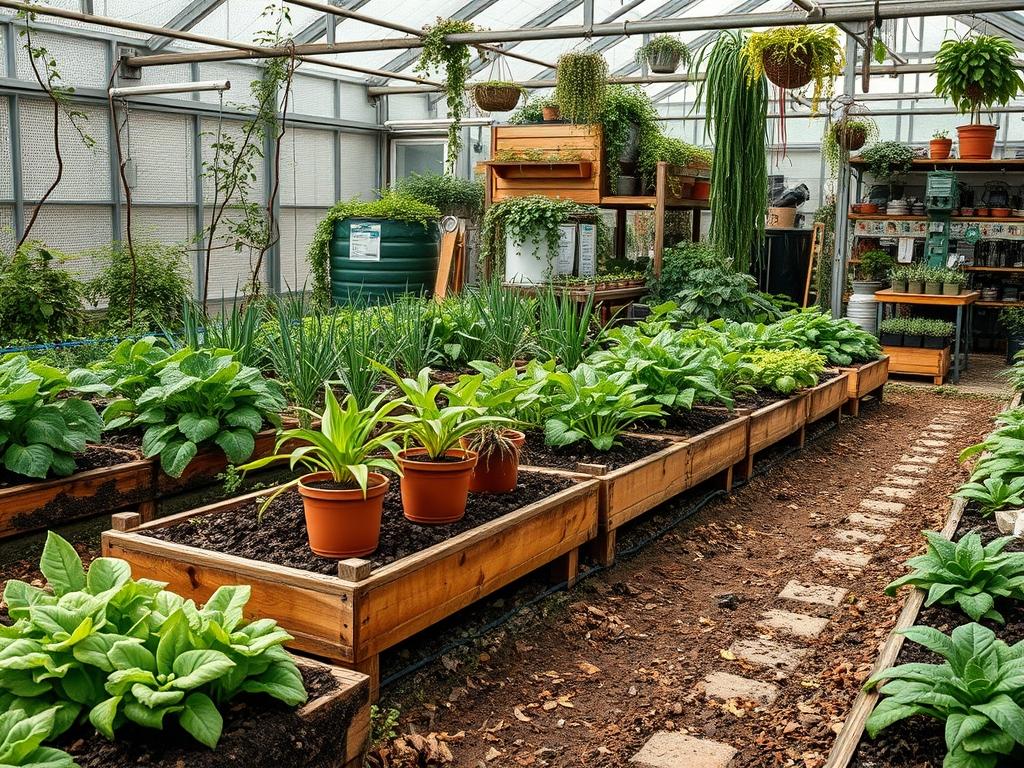
Modern landscaping represents a sophisticated intersection between biological needs and environmental stewardship. For years, the standard approach to yard maintenance relied on mechanical timers that distributed thousands of gallons of water regardless of actual weather conditions or soil saturation levels. This antiquated method often leads to fungal growth, nutrient leaching, and significant financial waste. A Smart Irrigation Retrofit shifts the paradigm from a static schedule to a dynamic, data-driven system. By integrating weather-based controllers and high-efficiency delivery components, a property owner can transform a thirsty, high-maintenance plot into a resilient ecosystem that thrives while consuming up to fifty percent less water. This process is essential for maintaining high-value curb appeal and ensuring the long-term viability of expensive specimen trees and perennial beds in a changing climate.
Landscape Design Principles
Professional landscape architecture centers on the concept of harmony between the built environment and the living canvas. To achieve this, several core principles must be integrated during the planning of an irrigation overhaul. Symmetry and visual balance are often the first elements a guest notices, but these are maintained behind the scenes by precise water delivery. For instance, a symmetrical entryway flanked by Boxwood Hedges requires uniform moisture to prevent one side from thinning or yellowing, which would destroy the formal aesthetic.
Focal points, such as a large Japanese Maple or a tiered fountain, often have unique water requirements compared to the surrounding turf. A successful retrofit treats these highlights as individual zones. Elevation layers also play a critical role in system design. Water naturally migrates to lower points in the yard, meaning that plants at the top of a slope or in raised Corten Steel Planters often dry out faster than those at the base. Designers must map these elevation changes to ensure that the Smart Controller applies longer run times to high points and shorter bursts to low-lying areas.
The layout of walkways and hardscaping further dictates the irrigation map. Over-spray on stone paths or concrete driveways is not only a waste of resources but also causes staining and moss growth, which can become a slip hazard. By utilizing precise Pressure-Regulating Spray Heads, architects can define hard boundaries where the water stops exactly at the edge of the mulch bed. This level of control ensures that the visual balance of the yard remains crisp and intentional rather than overgrown and messy.
Plant and Material Selection
The success of a landscape is largely determined by the compatibility of the flora with the local microclimate and the planned irrigation zones. Below is a selection of commonly used materials and plants that benefit significantly from a smart system.
| Plant Type | Sun Exposure | Soil Needs | Water Demand | Growth Speed | Maintenance Level |
| :— | :— | :— | :— | :— | :— |
| Dwarf Fountain Grass | Full Sun | Well-Drained | Low | Fast | Low |
| Hydrangea Macrophylla | Part Shade | Rich/Moist | High | Moderate | Medium |
| Native Bluestem | Full Sun | Poor to Average | Very Low | Moderate | Low |
| Eastern Redbud | Full/Part Sun | Loamy | Moderate | Fast | Low |
| Stonecrop Sedum | Full Sun | Sandy/Gritty | Low | Moderate | Low |
| Hardwood Mulch | N/A | Nutritive | Retains moisture | N/A | Annual application |
Implementation Strategy
Executing a Smart Irrigation Retrofit requires a systematic approach that begins with an audit of the existing infrastructure. Before purchasing new hardware, the technician must test the static and dynamic pressure of the main water line. If the pressure is too high, it can mist the water, where it evaporates before hitting the ground; if it is too low, the heads will not pop up fully. Once the pressure is stabilized, the first major upgrade is the installation of a Weather-Based Irrigation Controller. This device connects to local weather stations via the internet to skip watering cycles if rain is in the forecast or if the temperature is too low for absorption.
The second phase involves the distribution points. Replacing old, inefficient nozzles with Multi-Stream Rotary Nozzles is one of the most cost-effective upgrades available. These nozzles deliver water at a slower rate, allowing the soil to absorb moisture deeply rather than letting it run off into the street. During this phase, it is also critical to address Grading and Drainage. If a garden bed is sloped toward the house, the retrofit should include the installation of a French Drain or a dry creek bed to redirect excess water away from the foundation.
Finally, the installation of Soil Moisture Sensors provides the ultimate level of precision. These probes are buried in the root zones of different hydro-zones. If the sensor detects that the soil is still wet from a previous cycle, it will send a signal to the controller to bypass the next scheduled event. This feedback loop prevents the soil compaction and root rot often caused by traditional “set it and forget it” timers.
Common Landscaping Failures
The most frequent failure in amateur landscaping is the lack of “head-to-head” coverage. This occurs when the water from one sprinkler head does not reach the base of the next head, creating dry “doughnuts” in the lawn. Even with a smart controller, poor physical placement of the heads will result in a patchy, unhealthy landscape. Another common issue is Root Overcrowding. Homeowners often plant trees and shrubs too close together, causing them to compete for the same moisture and nutrients. As these plants grow, their root systems can actually crush irrigation pipes or lift paving stones.
Improper Mulch Depth is also a significant concern. While mulch is vital for moisture retention, applying a “mulch volcano” around the base of a tree can suffocate the roots and attract pests. A depth of 3 to 4 inches is generally ideal, but it must be kept away from the direct contact of the trunk. Furthermore, ignoring the Backflow Preventer is a dangerous oversight. This device ensures that fertilizer or pesticides from the lawn do not enter the home’s drinking water system. Any retrofit must include a certified test of this component to ensure safety and compliance with local building codes.
Seasonal Maintenance
A smart system reduces the daily workload, but it still requires seasonal attention to perform at peak efficiency. In the Spring, the system should be cleared of debris and “blown out” with low-pressure air to ensure no winter damage occurred. This is also the time to recalibrate the sensors and ensure the Smart Controller is connected to the latest firmware. As the plants move into their peak growing phase, check for any clogged nozzles that might have been disrupted by spring growth.
During the Summer, the focus shifts to monitoring heat stress. During extreme heat waves, even a smart system may need a manual override to provide a “cooling cycle” for sensitive species like Hydrangeas. Autumn maintenance involves reducing frequency as the evapotranspiration rate drops and plants prepare for dormancy. This is the ideal time to add a fresh layer of Organic Compost to garden beds to improve soil structure. In Winter, the most critical task is the full drainage of the system. In regions where the ground freezes, any water left in the pipes or the Backflow Preventer will expand and cause expensive cracks, necessitating a professional winterization service.
Professional Landscaping FAQ
How much water can a smart retrofit actually save?
On average, homeowners see a reduction of 30 to 50 percent in outdoor water usage. By tailoring water delivery to specific plant needs and local weather patterns, the system eliminates the waste typically associated with traditional mechanical timers.
Do I need to replace all my existing pipes for a retrofit?
Usually, no. A retrofit focuses on the “brains” and the “delivery” points. You replace the controller, the valves, and the sprinkler nozzles. As long as your underground PVC Piping is leak-free, it can stay in place.
What is a hydro-zone and why is it important?
Hydro-zoning is the practice of grouping plants with similar water requirements. By placing drought-tolerant Native Grasses on one zone and thirsty perennials on another, you avoid overwatering one species while trying to keep the other alive.
Will a smart system work during a power or internet outage?
Yes. Most modern Smart Controllers have internal memory that stores your basic schedule. While it may lose the ability to pull real-time weather data during the outage, it will revert to a safe, pre-programmed watering routine until connectivity returns.
How does mulch influence irrigation efficiency?
A proper layer of Hardwood Mulch acts as an insulator for the soil. It reduces evaporation from the sun and prevents the soil surface from crusting over. This allows water to penetrate deeper into the root zone where it is needed.