
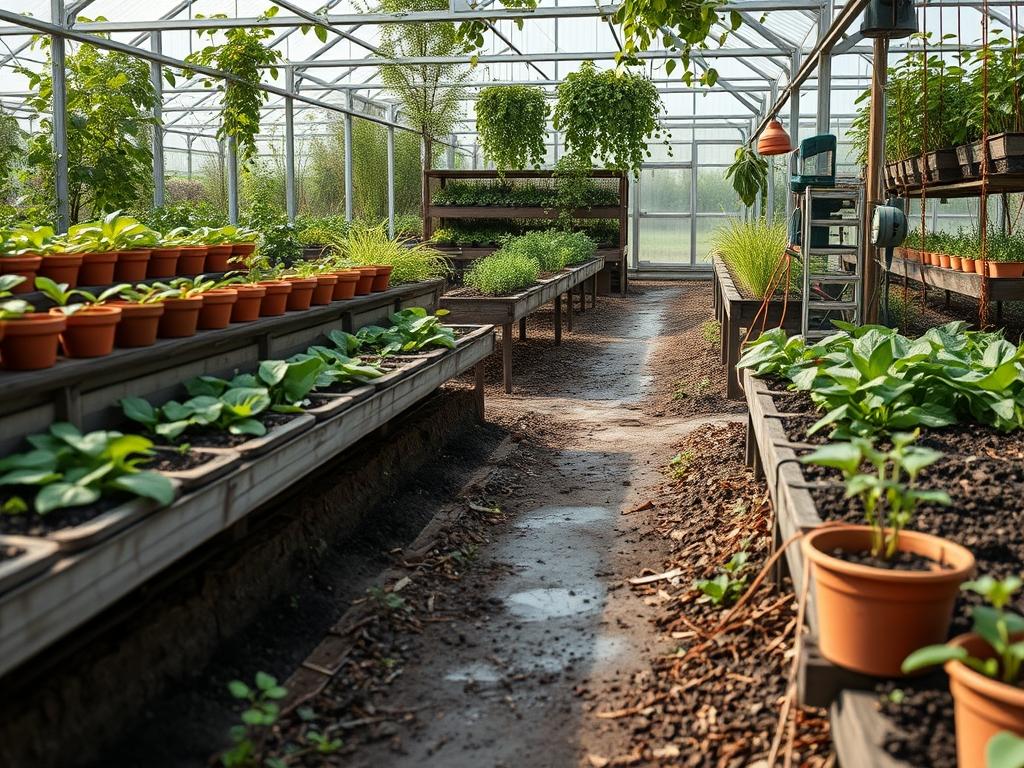
Modern landscape architecture has evolved beyond simple aesthetic arrangements of flora and stone. It now functions as a sophisticated intersection of environmental science, civil engineering, and digital precision. Property owners today face a complex array of challenges, including shifting precipitation patterns, rising utility costs, and the desire for high-performance outdoor living spaces. To address these demands, professional designers have turned to Smart Irrigation Design Analytics. This data-driven approach transforms the traditional garden into a reactive ecosystem that manages water resources with surgical accuracy. By analyzing topographical data, soil composition, and localized weather history, we can create environments that flourish while minimizing waste. A well-executed landscape serves as a natural extension of the home, providing functional zones for relaxation while significantly increasing curb appeal through structured, sustainable growth.
Landscape Design Principles
Achieving visual harmony in an outdoor environment requires a disciplined adherence to established design principles, beginning with symmetry and focal points. A focal point, such as a sculpted Japanese Maple or a bespoke water feature, serves as the anchor for the visual field. From this center, designers apply either formal symmetry for a sense of grandeur or informal balance to mimic natural landscapes. Elevation layers play a critical role in defining these spaces. By utilizing retaining walls and tiered planters, we create vertical interest that draws the eye upward, making even small urban lots feel expansive.
The integration of Smart Irrigation Design Analytics occurs at the foundational stage of these principles. Instead of a one-size-fits-all sprinkler layout, we employ hydrozoning. This involves grouping plants with shared metabolic requirements into specific irrigation sectors. For instance, drought-tolerant Lavender and Agave are never placed on the same valve as high-moisture Hydrangeas. This analytical layering ensures that every drop of water is utilized by the root zone rather than lost to runoff or evaporation.
Walkways and hardscaping provide the skeletal structure of the garden. We utilize materials like natural flagstone, decomposed granite, or pavers to create “desire lines” that guide movement through the space. These paths must be wide enough for two people to walk comfortably, typically requiring a minimum of 48 inches in width. Visual balance is further maintained by the 1/3 to 2/3 rule, where hardscape elements occupy approximately one third of the total area, allowing the softscape to dominate the sensory experience while maintaining structural order.
Plant and Material Selection
The following table outlines a selection of high-performance plants suitable for modern, analytically designed landscapes. These species are chosen for their resilience and compatibility with automated moisture management systems.
| Plant Type | Sun Exposure | Soil Needs | Water Demand | Growth Speed | Maintenance Level |
| :— | :— | :— | :— | :— | :— |
| Blue Oat Grass | Full Sun | Well-drained | Low | Moderate | Low |
| Oakleaf Hydrangea | Part Shade | Rich, loamy | Medium-High | Fast | Moderate |
| Littleleaf Boxwood | Full/Part Sun | Neutral pH | Medium | Slow | High (Pruning) |
| Coneflower (Echinacea)| Full Sun | Sandy/Loam | Low-Medium | Fast | Low |
| Emerald Green Arborvitae| Full Sun | Moist/Clay | Medium | Moderate | Low |
| Creeping Thyme | Full Sun | Rocky/Poor | Very Low | Fast | Low |
When selecting materials, durability must match the local climate. We often specify pressure-treated lumber for subterranean supports and cedar or ipe for visible decking due to their natural rot resistance. For mulch, a 3-inch layer of shredded hardwood mulch or pine bark nuggets is essential. This layer serves as a thermal blanket for the soil, suppressing weed germination and reducing the frequency of irrigation cycles detected by soil moisture sensors.
Implementation Strategy
The transition from a blueprint to a living garden requires a systematic implementation strategy. The process begins with professional grading. We use laser levels to ensure the ground slopes away from the home foundation at a minimum of 2 percent. This prevents hydrostatic pressure from damaging the structure and directs excess rainwater toward designated French drains or bioswales.
Once the grade is established, we lay out the irrigation infrastructure. Smart Irrigation Design Analytics dictates the placement of subsurface drip lines and high-efficiency rotary nozzles. Unlike traditional spray heads, these tools deliver large droplets at a slow rate, which prevents wind drift and allows the water to soak deeply into the topsoil. During this phase, we also install flow sensors and weather stations that connect to a central smart controller. This technology allows the system to automatically skip a watering cycle if rain is detected or if soil probes indicate sufficient moisture levels at the 6-inch depth.
Edging is the next critical step. We define the borders between turf and planting beds using steel edging or poured concrete curbs. This creates a clean visual break and prevents invasive grass runners from contaminating flower beds. Following edging, we install the larger specimen trees, ensuring the root ball is set at a depth where the “flare” is slightly above the soil line. Finally, we apply the mulch and perform a system-wide pressure test to ensure no leaks exist in the newly installed lines.
Common Landscaping Failures
The most frequent failures in landscape management often stem from a lack of foresight regarding biological growth and physics. Drainage mistakes top the list; many homeowners install beautiful gardens only to realize later that they have created localized swamps. Without a proper catch basin or a clear path for water to exit the property, soil becomes anaerobic, effectively drowning plant roots.
Root overcrowding and improper spacing are equally detrimental. A common mistake is planting a Leyland Cypress too close to a structure, forgetting that its mature spread can reach 15 feet. This leads to structural damage and poor air circulation, which invites fungal diseases. Furthermore, soil compaction is a silent killer of vibrant landscapes. During construction, heavy machinery compresses the soil pores, eliminating the oxygen required for root respiration. We resolve this by using mechanical aerators or incorporating organic compost to restore soil structure before any planting occurs.
Lastly, irrigation inefficiencies often result from “set and forget” timers. Without the use of Smart Irrigation Design Analytics, systems often run during rainstorms or in the heat of the afternoon. This not only wastes money but also promotes shallow root growth, making plants more vulnerable to heat stress. A professional landscape requires a system that adjusts in real-time to the evaporating transpiring needs of the vegetation.
Seasonal Maintenance
A landscape is a living investment that requires specific interventions throughout the year. In the spring, the focus is on “awakening” the garden. This involves clearing dead perennial foliage with hand pruners, applying a slow-release granular fertilizer, and testing the irrigation backflow preventer. We also replenish the mulch to maintain that crucial 3-inch depth before the summer heat arrives.
Summer maintenance revolves around water management and monitoring for pests. This is where Smart Irrigation Design Analytics proves its worth, as the system automatically increases frequency during heat waves. We recommend mowing turf at a height of 3 to 4 inches to shade the soil and reduce water loss.
Autumn is the season for structural pruning and soil improvement. We remove “crossing” or diseased branches from trees to prepare them for winter wind loads. It is also the ideal time for core aeration and overseeding of cool-season grasses.
Winter management is primarily about protection. In colder climates, we blow out irrigation lines using an air compressor to prevent pipe bursts. We also wrap sensitive shrubs like Boxwoods in burlap to protect them from winter burn and heavy snow loads.
Professional Landscaping FAQ
How does Smart Irrigation Design Analytics save money?
By using weather-based controllers and soil moisture probes, these systems only apply water when necessary. This eliminates overwatering, reduces monthly utility bills by up to fifty percent, and prevents expensive plant loss due to root rot or drought stress.
What is the best way to handle poor site drainage?
Install a French drain or a dry creek bed using river rock and filter fabric. These structures redirect excess surface water toward a lower point or a pop-up emitter, protecting the foundation and preventing soil erosion during heavy storms.
Which mulch type is best for weed suppression?
A thick 3-inch layer of double-ground hardwood mulch is highly effective. Its interlocking fibers create a barrier that blocks sunlight from reaching weed seeds while simultaneously retaining moisture in the soil for your desired ornamental plants.
How often should I calibrate my irrigation system?
Professional architects recommend a seasonal audit. As plants grow, they may block sprinkler heads. Periodic adjustments ensure the spray patterns still match the landscape’s layout and that the flow sensors are accurately reporting data to your controller.
Can native plants reduce my maintenance workload?
Yes, native species are adapted to local rainfall and soil conditions. Once established, they require significantly less supplemental water and fewer chemical fertilizers, making them the cornerstone of a sustainable, low-maintenance landscape design strategy.