
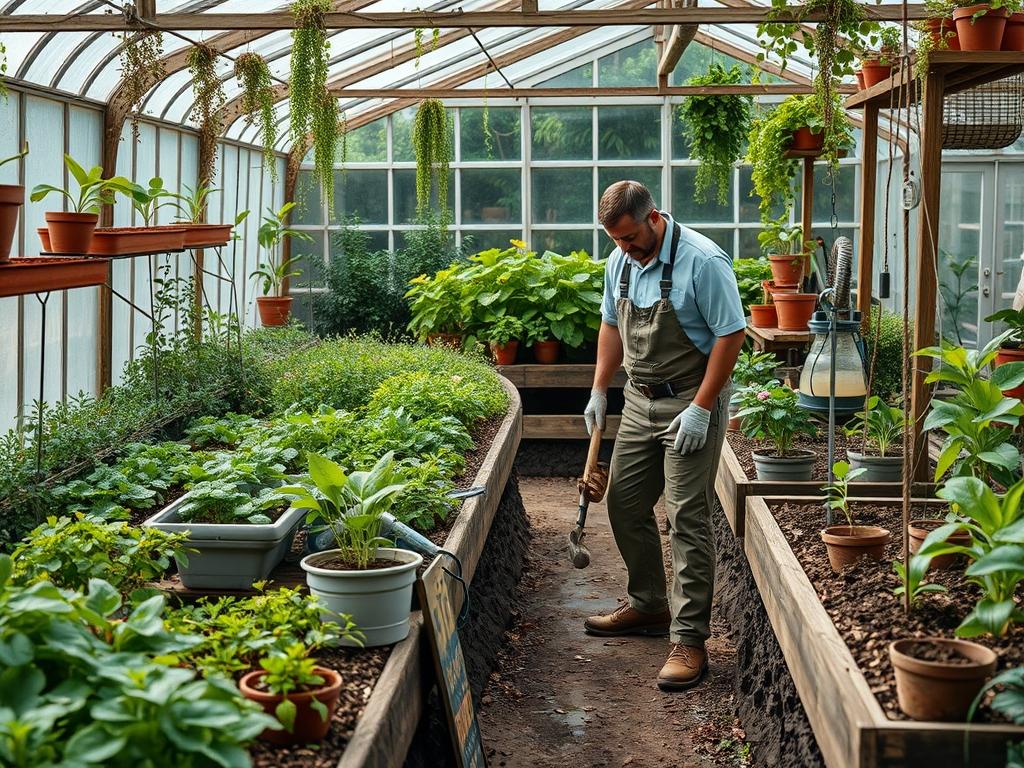
Designing a high-performance landscape requires a sophisticated understanding of how biology interacts with engineering. For the modern homeowner, the outdoor environment is no longer just a patch of grass; it is a multi-functional ecosystem that must provide curb appeal, ecological sustainability, and functional living space. Every successful project begins with an assessment of local microclimates and site topography. A property that experiences heavy northern winds requires different windbreaks than a coastal lot dealing with salt spray. Professional designers must balance these environmental stressors with the homeowner’s desire for a low-maintenance, high-impact aesthetic. By working with Solar Powered Garden Pros, designers can integrate renewable energy solutions directly into the site plan, ensuring that lighting, irrigation controllers, and water features operate with maximum efficiency without sacrificing the natural beauty of the terrain.
The primary challenge in contemporary landscaping is managing water runoff while maintaining visual cohesion. Grading represents the foundation of this work. Without proper slope management, a beautiful garden can quickly become a muddy basin that threatens the home’s foundation. Experts look for ways to marry form and function; for example, a dry creek bed constructed from river rock can serve as both a stunning focal point and a structural drainage solution during heavy rain. This level of intentionality transforms a simple yard into a curated landscape that increases property value and provides a sense of sanctuary.
Landscape Design Principles
Symmetry and balance dictate the psychological comfort of an outdoor space. In formal landscape design, mirrored plantings and geometric shapes create a sense of order and prestige. However, asymmetrical balance often feels more organic and inviting for residential properties. Focal points are essential for directing the eye; this could be a large specimen tree, an architectural sculpture, or a solar-powered fountain. By placing these elements at the end of a sightline, you create a sense of purpose within the layout.
Elevation layers are perhaps the most overlooked aspect of amateur gardening. A professional landscape is composed of five distinct layers: the canopy, the understory, the shrub layer, the herbaceous layer, and the ground cover. Each layer serves a specific ecological and aesthetic purpose. The canopy provides shade and reduces the heat island effect, while ground covers prevent soil erosion and suppress weeds. Integrating these levels creates 3-dimensional depth that makes even small urban lots feel expansive.
Walkways and hardscaping provide the “bones” of the garden. Whether you use flagstone, permeable pavers, or decomposed granite, these paths define how a person interacts with the space. Use wider paths, approximately 48 inches, for main thoroughfares to allow two people to walk side-by-side. Narrower paths of 24 inches can lead to more private, secluded areas. Strategic irrigation planning must happen concurrently with hardscape design to ensure that polyethylene tubing is buried beneath paths before they are paved, avoiding costly retrofits.
Plant and Material Selection
Selecting the right biological components is a matter of matching the right plant with the right place. Soil pH, sunlight duration, and drainage capacity are the three non-negotiable factors that determine plant health.
| Plant Type | Sun Exposure | Soil Needs | Water Demand | Growth Speed | Maintenance Level |
| :— | :— | :— | :— | :— | :— |
| Lavandula (Lavender) | Full Sun | Well-drained, Sandy | Low | Moderate | Low |
| Buxus (Boxwood) | Full to Part Sun | Loamy, Well-drained | Medium | Slow | Moderate |
| Panicum virgatum | Full Sun | Adaptable/Clay | Low | Fast | Low |
| Acer palmatum | Partial Shade | Slightly Acidic | Medium | Slow | High |
| Thymus praecox | Full Sun | Poor to Average | Low | Moderate | Very Low |
| Hydrangea macrophylla | Part Shade | Rich, Moist | High | Moderate | Moderate |
When selecting materials, prioritize sustainability. Using recycled glass mulch or locally sourced timber reduces the carbon footprint of the project. For structures like retaining walls, ensure the material choice complements the home’s architecture. Natural stacked stone provides a timeless look, while poured concrete offers a minimalist, modern aesthetic.
Implementation Strategy
The transition from a design on paper to a physical landscape requires a disciplined sequence of operations. Start with site clearing and rough grading. This is the stage where you address drainage issues by installing French drains or catch basins if necessary. Proper grading should move water away from the home at a slope of at least 2 percent, or a 1-inch drop for every 4 feet of horizontal distance.
Once the bones of the land are set, move to hardscaping. Install retaining walls and permanent structures first, as the heavy machinery required for these tasks will compact the soil. After the hardscape is in place, address soil health. Most construction sites have highly compacted “subsoil” that lacks nutrients. Till in 3 inches of organic compost to a depth of 8 inches to restore soil structure and aeration.
Planting should follow a “top-down” approach. Install large evergreen trees first, then move to smaller shrubs, and finally perennials and ground covers. When placing plants, use a transplant fertilizer to encourage root development. Finally, apply a 3-inch layer of wood mulch across all beds. This mulch layer is critical; it retains moisture, regulates soil temperature, and breaks down over time to provide nutrients. Ensure the mulch is kept 2 inches away from the trunks of trees to prevent rot and pest infestation.
Common Landscaping Failures
The most frequent mistake in residential landscaping is improper spacing, often referred to as “instant gratification planting.” Homeowners frequently place shrubs too close together to make the garden look full on day one. Within three years, these plants become overcrowded, leading to poor air circulation and the spread of fungal diseases. Always research the “mature width” of a species and space them accordingly.
Soil compaction is another silent killer of high-end landscapes. When heavy equipment or constant foot traffic compresses the soil, the pore spaces that hold oxygen and water collapse. Roots effectively suffocate in compacted earth. To fix this, use core aeration or incorporate heavy amounts of organic matter. Furthermore, many systems fail due to irrigation inefficiency. Over-watering is just as damaging as under-watering; it leads to “lazy” root systems that stay near the surface. A deep, infrequent watering schedule encourages roots to grow downward, making the plant more drought-tolerant.
Seasonal Maintenance
A landscape is a living entity that requires a seasonal rhythm of care. In the Spring, focus on cleanup and preparation. Remove dead perennial foliage, prune winter-damaged branches, and apply a pre-emergent herbicide to prevent weed seeds from germinating. This is also the ideal time to test your solar powered sensors and irrigation emitters to ensure they survived the winter.
Summer maintenance is centered on moisture management and pest control. During heat waves, adjust your irrigation timers to water in the early morning, around 5:00 AM, to minimize evaporation. Deadhead flowering plants like Salvia or Roses to encourage a second flush of blooms. In Autumn, the focus shifts to soil building. Leave some fallen leaves in the beds to serve as natural mulch, and plant spring-flowering bulbs like Tulips or Daffodils. This is also the best time to plant new trees, as the cool air and warm soil promote rapid root growth.
Winter is the season for structural pruning and tool maintenance. When deciduous trees are dormant, it is much easier to see their branching structure and remove “crossing” or “rubbing” limbs. Clean your shears and loppers with rubbing alcohol and sharpen the blades to ensure clean cuts when spring arrives.
Professional Landscaping FAQ
How much mulch do I truly need for my garden beds?
A depth of 3 inches is the professional standard. This is thick enough to suppress weed growth and retain moisture but thin enough to allow oxygen exchange. Avoid “mulch volcanoes” piled against tree trunks, which cause bark decay.
Why are my plants dying despite regular watering?
This is often caused by poor drainage or soil compaction. If the soil remains saturated, roots cannot breathe and will rot. Use a soil probe to check moisture levels 6 inches below the surface before adding more water.
What is the benefit of using native plants in my design?
Native species are biologically adapted to your local climate and soil. They require significantly less water, fewer pesticides, and no fertilizer once established. They also provide essential habitats for local pollinators like bees and butterflies.
How do I integrate solar lighting without it looking cluttered?
Focus on “layering” the light. Use low-voltage solar stakes to highlight paths and shielded uplights to illuminate the canopy of large trees. Hiding the light source while showing the effect creates a professional, high-end atmosphere.
When is the best time to start a major landscaping project?
Early Spring and Autumn are the ideal windows. These seasons offer moderate temperatures that reduce transplant shock for new plants. Starting in Autumn is particularly effective for root establishment before the summer heat.