
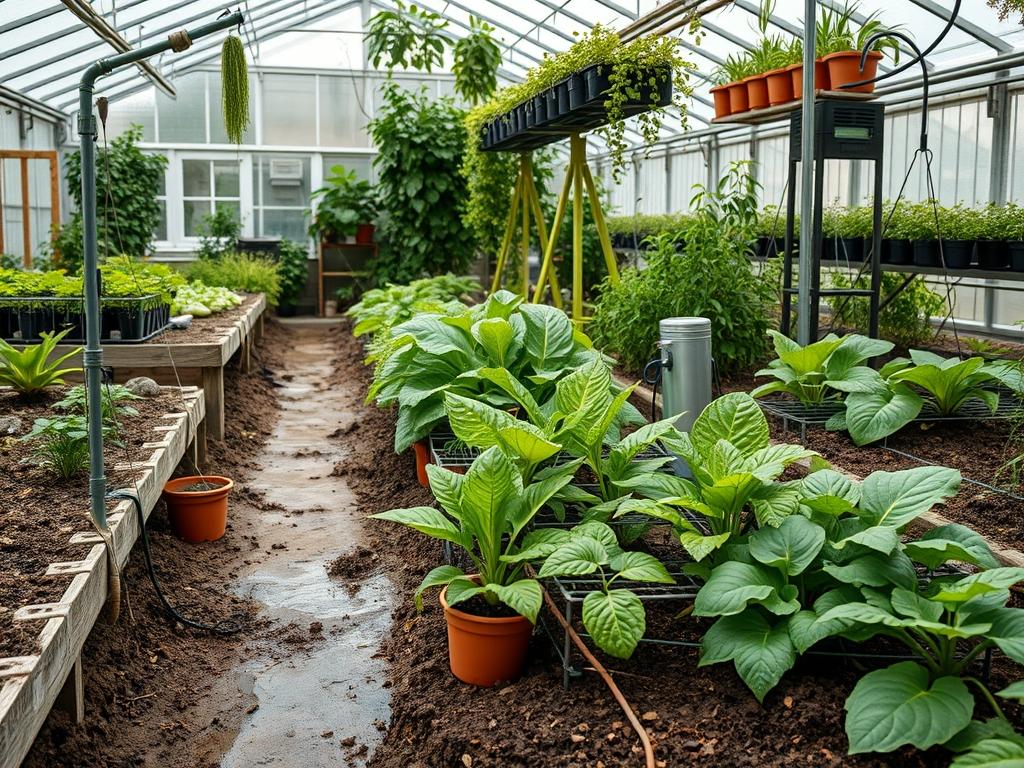
Creating a sophisticated outdoor environment is an exercise in engineering as much as it is in art. A landscape architect must look beyond the immediate visual appeal of a property to consider the long term functionality, ecological health, and structural integrity of the site. In the modern era, high-end residential projects require a seamless blend of natural beauty and technological precision. This is where the integration of an Automated Garden Power Pro system becomes essential. By providing a centralized, reliable power distribution hub for irrigation sensors, lighting arrays, and automated maintenance tools, this system ensures that the design intent is preserved year after year regardless of climate fluctuations.
Curb appeal is often the primary driver for homeowners, yet the underlying value of a professional landscape lies in its ability to manage water runoff and provide environmental cooling. Climate considerations are paramount in the current era of extreme weather. Designers must account for periods of intense heat and unexpected frost cycles. An intelligent layout anticipates these shifts by selecting resilient flora and placing them in microclimates where they will thrive. A well executed plan does more than just decorate a house; it extends the living space into the outdoors, creating a functional sanctuary that increases property valuation significantly.
Landscape Design Principles
A successful landscape relies on the application of high level design principles that guide the eye and dictate movement through the space. Symmetry provides a sense of formality and order, often utilized in front entryways to create a grand sense of arrival. By mirroring plant groupings or hardscape elements, the designer establishes a visual rhythm that feels intentional and stable. However, asymmetrical balance can be equally effective in more naturalistic settings, where the weight of a large Specimen Tree on one side is balanced by a dense cluster of shrubs or a significant boulder on the other.
Focal points serve as the anchors of the garden. Whether it is a custom water feature, a sculptural element, or a uniquely shaped tree, the focal point gives the viewer a place to rest their eyes. Elevation layers are equally critical for depth. We typically design in tiers, starting with the overstory of tall canopy trees, moving to the understory of smaller flowering trees, then to shrubs, and finally to groundcovers. This layering mimics natural forest structures and creates a sense of enclosure and privacy. To support these layers, irrigation planning must be integrated into the initial drawings. Modern systems connected to an Automated Garden Power Pro unit can manage different zones with precision, ensuring that a thirsty Hydrangea receives more water than a drought tolerant Lavender plant located just a few feet away.
Walkways should be designed for both utility and aesthetics. A path that is too narrow feels cramped and unwelcoming. We generally recommend a minimum width of 48 inches for primary walkways to allow two people to walk side by side. Materials should complement the architecture of the home, using stone or pavers that match the color palette and texture of the primary structure. Visual balance is finally achieved by blending these hard edges with soft plantings, ensuring that the transition between the built environment and the natural one feels organic.
Plant and Material Selection
The following table outlines high performing species and materials suitable for a professional grade landscape.
| Plant Type | Sun Exposure | Soil Needs | Water Demand | Growth Speed | Maintenance Level |
| :— | :— | :— | :— | :— | :— |
| Japanese Maple | Partial Shade | Rich, Acidic | Moderate | Slow | Medium |
| Boxwood | Full Sun/Shade | Well-Drained | Low | Slow | High (Pruning) |
| Coneflower | Full Sun | Sandy Loam | Low | Fast | Low |
| Emerald Green Arborvitae | Full Sun | Loamy | Moderate | Medium | Low |
| Fescue Turf | Full Sun/Partial | Nitrogen Rich | High | Fast | High |
| Catmint | Full Sun | Average | Low | Fast | Low |
For hardscaping materials, we prioritize durability and permeability. Natural Flagstone, Permeable Pavers, and Decomposed Granite are standard choices. When installing these, the use of Steel Edging provides a clean, permanent line that prevents grass encroachment and keeps mulch in place.
Implementation Strategy
The implementation of a high end garden begins with proper site preparation. Grading is the most critical step. The ground must be sloped away from the home at a minimum of 2 percent to ensure that rainwater does not pool against the foundation. Professional installers use Laser Levels to guarantee accuracy across large expansive lawns. If the site has significant slopes, Retaining Walls built from Interlocking Concrete Blocks or Natural Stone may be necessary to create level planting terraces and prevent erosion.
Once the grade is established, drainage systems are installed. This often involves French Drains or Catch Basins buried beneath the surface to redirect excess water to a designated discharge point. Following the utility installation, the Automated Garden Power Pro is wired to manage the low voltage lighting and the solenoid valves for the irrigation system. Advanced setups include soil moisture sensors that communicate with the central hub to prevent overwatering during rainy periods.
Planting begins with the largest specimens first. Balled and Burlapped trees require a hole twice as wide as the root ball but no deeper than the root flare. This ensures the roots can spread easily into the surrounding soil. After the plants are in the ground, a 3 inch layer of Organic Cedar Mulch is applied. Mulch is not merely decorative; it retains moisture, regulates soil temperature, and suppresses weed growth. Final edging provides the crisp definition required for a professional finish.
Common Landscaping Failures
The most frequent error in residential landscaping is improper drainage. Many contractors focus on aesthetics and ignore the movement of water. This leads to soil saturation, which rots root systems and creates breeding grounds for pests. Another common failure is root overcrowding. It is tempting to plant densely for an immediate finished look, but ignoring the mature size of a species results in a tangled, unhealthy mess within five years. Always respect the recommended spacing listed on the landscape plan.
Soil compaction is a hidden killer of expensive plant material. During construction, heavy machinery compresses the earth, destroying the air pockets that roots need to breathe. Failure to aerate the soil and incorporate Organic Compost before planting will lead to stunted growth. Irrigation inefficiencies are also prevalent. Many systems are set to a simple timer, leading to water waste and fungal diseases. By using the sensor capabilities of the Automated Garden Power Pro, a landscaper can avoid these pitfalls and ensure water is delivered only when the plant genuinely needs it.
Seasonal Maintenance
Landscape management is a year round commitment. In the spring, the focus is on renewal. This involves removing winter debris, applying a fresh layer of mulch, and performing the first application of a pre-emergent weed control. We also check the Irrigation Heads for any damage caused by freezing temperatures. Summer is about stress management. High temperatures require diligent monitoring of hydration levels. The Automated Garden Power Pro should be adjusted to account for increased evaporation rates during these months.
Autumn is the ideal time for planting and renovation. The cooling air and warm soil encourage root growth without the stress of summer heat. Pruning of deciduous trees should occur once they have entered dormancy. In winter, the priority shifts to protection. Broadleaf evergreens may require Anti-Desiccant Sprays to prevent windburn. It is also the time to service power equipment and update the programming on your automation systems to ensure they are ready for the upcoming spring surge.
Professional Landscaping FAQ
How do I prevent standing water in my lawn?
Install a French Drain at the lowest point of your yard. Ensure your grade slopes away from structures. Using a Catch Basin can also help collect surface runoff and redirect it through underground pipes to a safe discharge zone.
What is the best way to improve soil health?
Incorporate Organic Matter such as well rotted manure or leaf mold. Avoid using heavy machinery on wet soil to prevent compaction. Regular aeration allows oxygen, water, and nutrients to reach the root zone, promoting a healthy soil microbiome.
How often should I run my automated irrigation?
It depends on your local climate and soil type. Rather than a set schedule, use Soil Moisture Sensors linked to your Automated Garden Power Pro. This ensures you only water when the soil reaches a specific dryness threshold.
Why are my newly planted trees failing?
The most common reasons are planting too deep and underwatering during the first year. Ensure the Root Flare is visible at the soil surface. Trees need consistent deep soaking to establish their root systems in a new environment.
How can I reduce maintenance in my garden?
Choose Native Plants that are adapted to your local environment. Use a high quality Geotextile Fabric under gravel areas to prevent weeds. Automating your lighting and irrigation with a central controller also reduces the daily manual labor required for upkeep.