
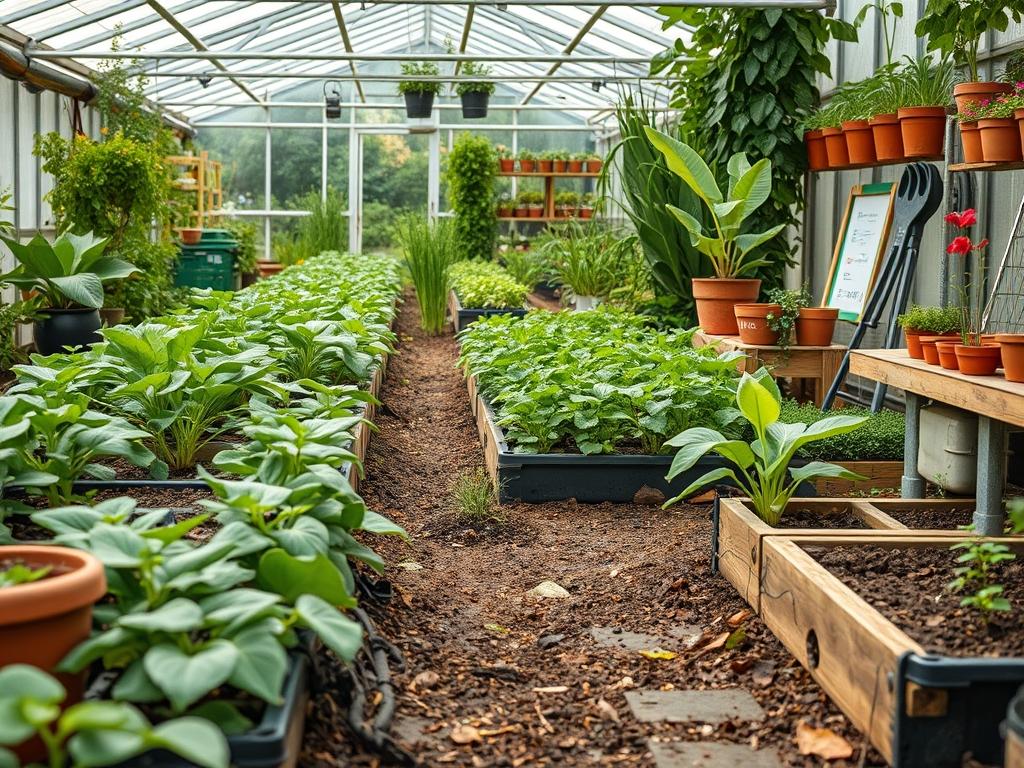
Modern landscape architecture requires a delicate balance between biological needs and structural precision. When designing a premium outdoor environment, the professional must look beyond the immediate aesthetic appeal to consider the long-term sustainability of the ecosystem. Climate variability, soil composition, and topographical challenges often dictate the success or failure of a project. A major component of modern success involves integrating sophisticated Smart Garden Device Logic to manage resources effectively. This logic refers to the programmed decision-making processes of automated systems that control irrigation, nutrient delivery, and landscape lighting. By utilizing localized weather data and soil moisture sensors, these systems ensure that every Japanese Maple or Boxwood Shrub receives exactly what it needs without human intervention. This approach enhances curb appeal and protects the substantial financial investment required for high-end residential or commercial properties.
Achieving a functional outdoor space starts with understanding the microclimates present on the site. A north-facing slope will have a significantly different evaporation rate than a south-facing flatbed. Consequently, the landscape architect must design zones that reflect these differences. Smart Garden Device Logic allows for the partitioning of a property into specialized hydro-zones. This prevents the overwatering of drought-tolerant species while ensuring that high-demand ornamental plants are never stressed. When functionality meets aesthetics, the result is a landscape that feels intentional and harmonious. The integration of technology into the natural world is no longer an optional luxury; it is a fundamental requirement for maintaining balance in an increasingly volatile climate.
Landscape Design Principles
Successful landscape design is rooted in the principle of visual equilibrium. Symmetry offers a sense of formal grandeur, often achieved through mirror-image plantings of Emerald Green Arborvitae or perfectly aligned Stone Pavers. However, asymmetrical balance can be equally powerful, using varying weights of color and texture to draw the eye toward a specific focal point. A focal point might be a mature White Oak, a custom-built Retaining Wall, or a water feature. These elements serve as the anchor for the rest of the design, providing a sense of scale and purpose.
Elevation layers are critical for creating depth and interest. By using Stacked Slate or Poured Concrete to create tiered garden beds, designers can introduce verticality into a flat lot. These layers also play a functional role in irrigation planning. Gravity-fed drainage must be considered to prevent water from pooling at the foundation of the home. Within these elevations, walkways provide the necessary transitions between outdoor rooms. These paths should be constructed from durable materials like Flagstone or Decomposed Granite, ensuring they are wide enough for two people to walk abreast comfortably. Visual balance is maintained by repeating certain textures or colors throughout the levels, creating a cohesive narrative that guides the viewer through the space.
Plant and Material Selection
Selecting the right plant for the right place is the most important decision a consultant makes. The following table outlines standard selections for a diverse, high-functioning landscape.
| Plant Type | Sun Exposure | Soil Needs | Water Demand | Growth Speed | Maintenance Level |
| :— | :— | :— | :— | :— | :— |
| Dwarf Alberta Spruce | Full Sun | Well-drained | Moderate | Slow | Low |
| Hostas (Various) | Full Shade | Organic rich | High | Medium | Moderate |
| Lavender (Munstead) | Full Sun | Sandy/Gravelly | Low | Medium | Low |
| Hydrangea Macrophylla | Part Shade | Loamy/Moist | High | Fast | Moderate |
| Creeping Thyme | Full Sun | Poor to Average | Very Low | Medium | Low |
| River Birch | Sun to Part | Moist/Acidic | High | Fast | High |
Material selection must complement the plant palette. When choosing mulch, Double-Ground Hardwood Mulch is often preferred for its ability to retain moisture and suppress weeds while decomposing into beneficial organic matter. For areas prone to high wind or heavy rainfall, River Rock or Lava Rock provides a more stable ground cover that will not wash away. Use a Steel Edger to create crisp lines between lawn sections and planting beds, as this prevents turf grass from encroaching on the delicate root zones of expensive perennials.
Implementation Strategy
The transition from a design on paper to a physical garden requires a disciplined implementation strategy. The process begins with grading. Proper grading ensures that surface water moves away from structures and toward designated drainage points like a French Drain or a Dry Creek Bed. Once the grade is established, hardscaping elements such as Stone Retaining Walls and Flagstone Patios are installed. These permanent structures define the bones of the landscape.
After the hardscape is in place, irrigation infrastructure is laid. This is where Smart Garden Device Logic is physically integrated into the site. Technicians install Valves, Manifolds, and Mainline Pipes at a depth of at least 12 inches to prevent freeze damage. Sensors are placed in representative areas of each zone to provide accurate data to the central controller. Following the irrigation setup, the soil is amended with Compost and Topsoil to create an ideal growing environment. Planting follows a specific order, starting with the largest specimens like trees and shrubs, then moving to perennials and groundcovers. Finally, a 3 inch layer of mulch is applied to all beds, taking care not to pile the material against the trunks of trees, which can cause rot and invite pest infestation.
Common Landscaping Failures
The most frequent failure in residential landscaping is improper drainage management. When water is allowed to stagnate, it deprives roots of oxygen, leading to root rot and the eventual death of the plant. Even the most advanced Smart Garden Device Logic cannot save a plant sitting in a swamp. Soil compaction is another silent killer. During construction, heavy machinery compresses the earth, destroying the pore spaces required for air and water movement. Professionals must use an Aerator or manually til the soil to restore its structure before planting.
Root overcrowding often occurs when designers fail to account for the mature size of a plant. A Leyland Cypress may look perfect in a small corner today, but in ten years, its root system can damage nearby foundations and crowd out neighbors. Improper spacing also reduces airflow, which increases the likelihood of fungal diseases like powdery mildew. Furthermore, irrigation inefficiencies often stem from “set it and forget it” mentalities. Without smart logic that adjusts for seasonal changes or rainfall, systems often waste thousands of gallons of water, leading to both environmental harm and inflated utility costs.
Seasonal Maintenance
Maintenance is a year-round commitment that changes with the sun’s trajectory. In the spring, the focus is on rejuvenation. This involves removing winter debris, pruning deadwood with a high-quality Bypass Pruner, and applying a slow-release 10-10-10 Fertilizer. This is also the time to test the irrigation system and update the Smart Garden Device Logic to account for the increased water needs of the growing season.
Summer maintenance is primarily about stress management. During periods of extreme heat, the irrigation logic should be set to water early in the morning, around 5:00 AM, to minimize evaporation. Mowing heights should be raised to 4 inches to shade the soil and protect the grass crowns. Autumn brings the task of leaf removal and winterization. Perennials are cut back, and the irrigation system is professionally blown out using an Air Compressor to prevent pipes from bursting in the frost. Winter is the season for structural pruning and planning. Deciduous trees can be pruned while dormant to improve their shape and health, while the quiet months allow for a review of the previous year’s garden data to refine the device logic for the coming spring.
Professional Landscaping FAQ
How does Smart Garden Device Logic save money?
It uses real-time weather data to prevent unnecessary watering during rain events. By delivering precise amounts of water based on soil moisture levels, it reduces water waste and lowers monthly utility bills while extending plant life.
What is the best way to handle poor soil drainage?
Install a French Drain or create a Rain Garden at the lowest point of the property. Amending the soil with organic matter and using Perforated Pipe can also help redirect excess water away from sensitive root systems.
Can I install a smart irrigation controller myself?
While basic models are user-friendly, professional installation ensures that sensors are placed in optimal locations. A consultant can properly calibrate the logic to match the specific needs of your various plant zones and soil types.
Why is mulch depth so important for my garden?
A 3 inch layer of mulch regulates soil temperature and retains moisture. Too little mulch allows weeds to germinate, while too much mulch can suffocate roots and prevent water from reaching the soil surface effectively.
How do I choose between native and ornamental plants?
Native plants generally require less maintenance and water because they are adapted to the local climate. Ornamentals are chosen for specific aesthetic traits. A successful landscape often uses a mix of both for resilience and beauty.