
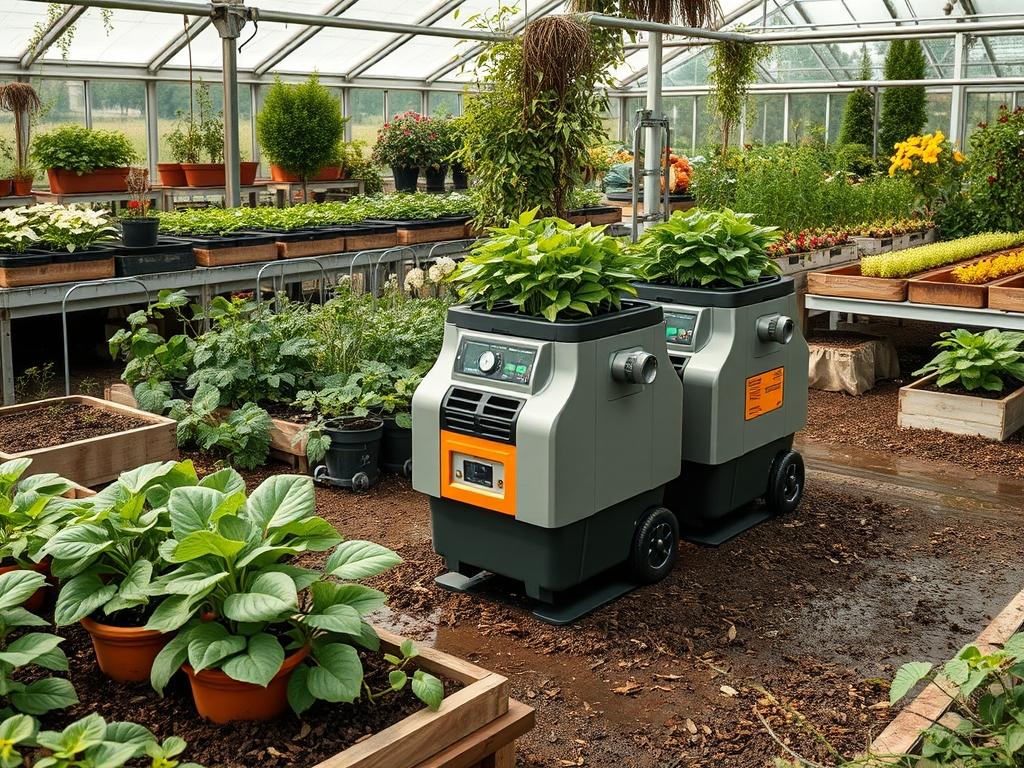
Successful landscape architecture is often judged by its surface aesthetics, yet the true longevity of any outdoor environment rests upon the chemical and biological health of the soil below the surface. When designing an estate or a commercial green space, we face the chronic challenge of varying microclimates and existing soil profiles that are frequently depleted by construction or previous mismanagement. To achieve immediate curb appeal and ensure long-term outdoor functionality, the landscape architect must prioritize soil remediation as the primary phase of construction. This is where the integration of Automated Compost Turners becomes a strategic technical advantage. These machines accelerate the decomposition of organic matter by ensuring consistent aeration and temperature control within organic piles. By automating the mechanical agitation of biomass, we can produce nutrient-rich soil amendments in a fraction of the time required by passive methods. This speed is critical for large-scale projects where the time to plant influences the overall delivery timeline and the viability of the budget. A substrate enriched by high-quality compost increases the resilience of expensive botanical specimens and ensures that the landscape matures according to the original design intent.
The fundamental goal of using automated machinery in the composting process is to maintain an aerobic environment. In a static pile, oxygen levels quickly drop, leading to anaerobic conditions that produce methane and slow the breakdown of lignin and cellulose. Automated Compost Turners, whether they are self-propelled straddle turners or pull-behind models, physically lift and tumble the material. This action introduces fresh oxygen and releases built-up heat and gases. From a landscaping perspective, this means we can transform green waste from the site clearing phase into usable “black gold” in as little as six to eight weeks. Rapidly produced compost allows for faster site stabilization and better moisture retention in the newly graded soil. When we improve soil quality faster, we reduce the need for synthetic fertilizers and enhance the soil food web, which is the cornerstone of sustainable, low-maintenance outdoor living.
Landscape Design Principles
In the realm of professional design, symmetry and visual balance serve as the anchors of formal gardens and modern estates alike. However, achieving those goals requires a deep understanding of how plants interact with their environment. We use focal points, such as a large Specimen Oak or a custom-built water feature, to draw the eye and create a sense of destination within the garden. These focal points are supported by elevation layers, where low-growing groundcovers lead into mid-sized shrubs and eventually to the canopy.
To maintain this structure, irrigation planning must be integrated into the initial topography. We use a combination of Drip Irrigation for targeted root hydration and subterranean sensors to prevent over-saturation. Walkways are not merely functional paths; they are the circulatory system of the landscape. By using permeable pavers or crushed stone, we ensure that foot traffic does not lead to soil compaction, which is the silent killer of urban landscapes. Visual balance is further maintained by ensuring that the nutrient density of the soil is uniform across the site. If one section of the garden has superior soil due to the application of refined compost, the plants there will outpace the rest of the design, leading to an unplanned asymmetry that can ruin the aesthetic harmony of the project.
Plant and Material Selection
Selecting the right plant material is a technical exercise in matching biological needs with the physical realities of the site. The following table outlines several common species used in high-end landscape designs and their specific requirements for optimal growth.
| Plant Type | Sun Exposure | Soil Needs | Water Demand | Growth Speed | Maintenance Level |
| :— | :— | :— | :— | :— | :— |
| Boxwood (Buxus) | Full Sun to Shade | Well-Drained, Loamy | Moderate | Slow | High (Pruning) |
| Japanese Maple | Partial Shade | Rich, Acidic | Consistent | Moderate | Medium |
| Lavender | Full Sun | Sandy, Alkaline | Low | Fast | Low |
| Ornamental Grass | Full Sun | Adaptable | Low | Fast | Low |
| Hydrangea | Partial Sun | Moist, Organic Rich | High | Fast | Medium |
| River Birch | Full Sun | Wet, Acidic | High | Fast | Low |
In addition to plants, material selection for hardscaping is vital. We utilize Steel Edging for crisp borders and Basalt Stone for retaining walls. The choice of mulch is also critical; we prefer Triple-Shredded Hardwood Mulch because it breaks down into the soil, providing a secondary source of organic matter that complements the compost produced by the automated turning systems.
Implementation Strategy
The implementation of a professional landscape design begins with a meticulous site analysis and grading plan. We start by stripping the topsoil and stockpiling it. This is where the Automated Compost Turner is first deployed. By mixing the stockpiled soil with organic amendments and turning it frequently, we revitalize the biological activity while the hardscaping is being installed.
Step one involves rough grading to ensure that water moves away from structures and toward designated drainage basins. We use Transit Levels to ensure a minimum two percent slope for proper runoff. Step two is the installation of underground utilities, including irrigation lines and low-voltage lighting cables. Once the bones of the project are in place, we focus on edging and soil preparation. We till the finished compost into the top six inches of the soil profile to break up any compaction caused by heavy machinery.
Step three is the “layout and lacing” phase. Plants are placed in their containers according to the design plan to verify spacing and visual flow before the first hole is dug. During planting, we ensure that the root flare of every tree is visible above the soil line to prevent rot. Finally, a 3-Inch Layer of Mulch is applied. This depth is the industry standard for suppressing weeds while allowing for adequate gas exchange between the soil and the atmosphere.
Common Landscaping Failures
The most frequent failure in professional landscaping is improper drainage. Even the highest quality plants will perish in “bathtub” conditions where water sits in the planting hole due to heavy clay subsoil. If we do not address drainage during the grading phase, the investment in plant material is essentially lost.
Another common mistake is root overcrowding. Designing for the “now” instead of the “future” leads to plants that compete for light and nutrients, which eventually results in a cluttered, unhealthy appearance. Improper spacing also restricts airflow, creating a breeding ground for fungal pathogens. Furthermore, soil compaction is a frequent byproduct of the construction process. If the soil is not mechanically fractured and amended with compost after the heavy equipment departs, the root systems will struggle to penetrate the ground. Finally, irrigation inefficiencies, such as misaligned sprinkler heads or poor seasonal scheduling, lead to either parched plants or wasted water resources.
Seasonal Maintenance
Landscape management is a year-round commitment that changes with the cycles of the environment. In the Spring, we focus on “waking up” the garden. This includes soil testing, applying the first round of compost-enriched topdressing, and pruning any winter-damaged limbs. We also check the irrigation system for leaks that may have occurred during the freeze.
The Summer months require a focus on moisture management and pest control. We monitor for signs of heat stress and adjust irrigation timers to account for higher evaporation rates. This is also the time for deadheading perennials to encourage a second flush of blooms.
When Autumn arrives, the priority shifts to leaf management and preparation for dormancy. We utilize a Mulching Mower to shred fallen leaves back into the turf or collect them for the compost pile. This is the ideal time for planting new trees and shrubs, as the cooler air and warm soil encourage vigorous root growth before the ground freezes.
In the Winter, maintenance is primarily structural. We perform dormant pruning of deciduous trees to improve their canopy architecture. We also protect sensitive specimens from windburn and salt damage. This cyclical approach ensures that the landscape does not just survive, but thrives across every season.
Professional Landscaping FAQ
Does automated composting really save money?
Yes, it significantly reduces labor costs and the need to purchase external soil amendments. By processing on-site organic waste into high-quality compost quickly, you lower transportation fees and procurement expenses for large-scale landscaping and restoration projects.
How does compost quality affect plant survival rates?
High-quality compost provides essential microbes and humic acids that stimulate root development. This creates a more resilient plant that can better withstand transplant shock, drought conditions, and various pathogens common in newly installed residential or commercial landscapes.
Why is grading important before adding compost?
Proper grading ensures that water flows correctly across the site. If you add compost to a poorly graded area, the organic matter may wash away or contribute to boggy conditions that drown plant roots and undermine hardscape foundations.
Can I use any organic matter in a turner?
Most green waste, including grass clippings, leaves, and small woody debris, is suitable. However, you must maintain a proper carbon to nitrogen ratio. Automated Compost Turners help by thoroughly mixing these materials to ensure even decomposition throughout the pile.
How often should a compost pile be turned?
For maximum speed, piles should be turned whenever the internal temperature exceeds 150 degrees Fahrenheit or when oxygen levels drop below five percent. Automated systems allow for precise scheduling, ensuring the pile stays in the optimal thermophilic range for decomposition.