
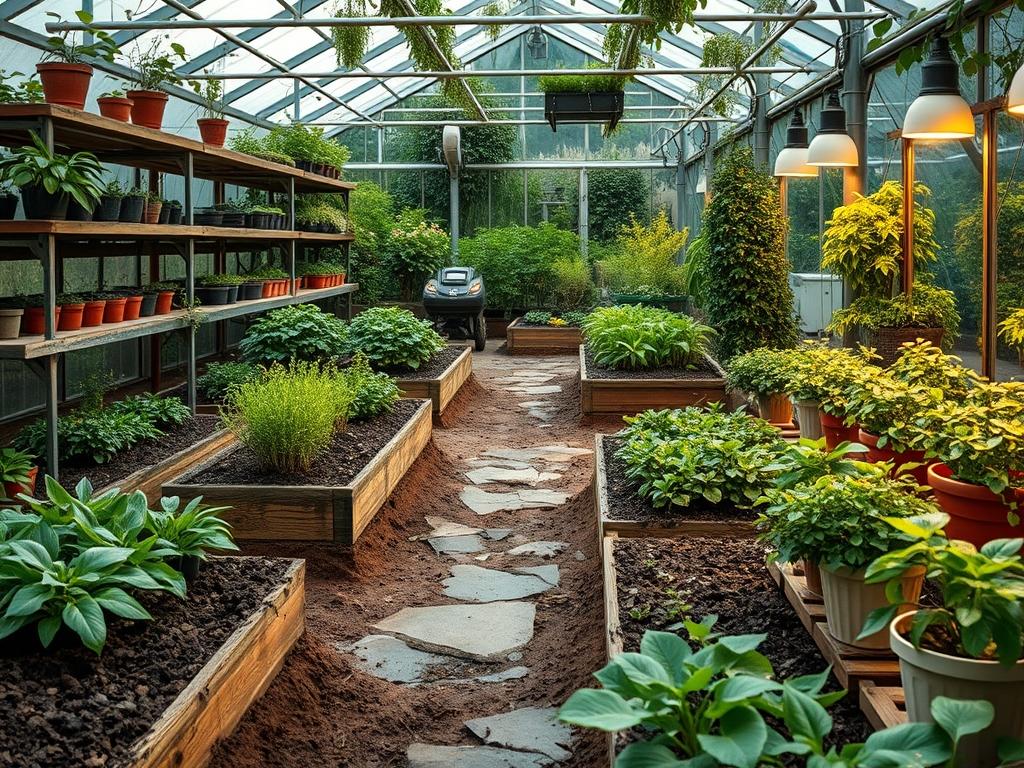
Transforming a landscape from a daytime sanctuary into a nocturnal masterpiece requires more than simple illumination; it demands a sophisticated approach known as Automated Garden Lighting Design. Modern outdoor environments serve as extensions of the home, acting as dining rooms, relaxation hubs, and social stages. However, without a strategic lighting plan, these spaces lose their utility the moment the sun sets. The primary challenge for any landscape architect is to balance aesthetics with functionality while considering climate variables such as heavy rainfall, extreme temperature fluctuations, and humidity. A well-executed lighting scheme enhances curb appeal by highlighting architectural textures and guiding the eye toward specific focal points. It also addresses crucial safety concerns, ensuring that transitions in elevation or pathways are clearly visible. By integrating automation, homeowners can synchronize their environment with the natural cycles of dusk and dawn, creating a seamless transition that adapts to the seasons without manual intervention.
Landscape Design Principles
Effective Automated Garden Lighting Design relies on the same core principles used in traditional landscape architecture: symmetry, focal points, and elevation. Symmetry does not always mean a mirror image, but rather a balanced distribution of light that prevents one side of the property from feeling “heavy” or overly bright. Designers often use uplighting on a pair of Oak trees to frame a view, providing a sense of order and grandeur. Focal points, such as a custom stone fountain or a specimen Japanese Maple, should receive the highest intensity of light to anchor the visual field.
Layering is perhaps the most critical element in professional design. This involves placing fixtures at various heights to create depth. Low-level path lights provide safety, mid-level floodlights wash over retaining walls to showcase texture, and high-level downlights mounted in the canopy of trees simulate moonlight. This vertical distribution prevents the landscape from appearing flat. Furthermore, the lighting must be integrated with the irrigation system layout. Fixtures should be positioned to avoid direct spray from oscillating sprinlers, as mineral buildup on lenses can degrade light quality over time. Visual balance is achieved by contrast; the dark spaces between pools of light are just as important as the illuminated areas, as they provide the shadows necessary for a three-dimensional effect.
Plant and Material Selection
The following table outlines plants and materials that respond exceptionally well to specific lighting techniques within an automated system.
| Plant or Material Type | Sun Exposure | Soil Needs | Water Demand | Growth Speed | Maintenance Level |
| :— | :— | :— | :— | :— | :— |
| Japanese Maple | Partial Shade | Well-drained | Moderate | Slow | Medium |
| Boxwood Hedge | Full Sun to Shade | Loamy | Moderate | Slow | High (Pruning) |
| Ornamental Grasses | Full Sun | Sandy/Dry | Low | Fast | Low |
| River Birch | Full Sun | Moist/Acidic | High | Fast | Medium |
| Hostas | Full Shade | Rich/Moist | Moderate | Medium | Low |
| Flagstone Pavers | N/A | Compacted Base | N/A | N/A | Low |
| River Rock | N/A | N/A | N/A | N/A | Very Low |
Implementation Strategy
Planning a comprehensive layout for Automated Garden Lighting Design begins with a detailed site analysis focused on grading and drainage. Before any wires are buried, the site must be surveyed to ensure that junction boxes and transformers are located in high, dry areas to prevent water ingress. The installation process typically starts with trenching, where low-voltage wire is buried at a depth of at least 6 inches. For areas with high foot traffic or where gardening tools are frequently used, encasing wires in PVC conduit is a standard professional practice.
Edge definition is crucial for both aesthetic and practical reasons. Using steel edging or heavy-duty plastic borders creates a clean line that protects light fixtures from lawnmowers and string trimmers. When placing fixtures near retaining walls, the wiring should ideally be integrated during the wall construction phase, hiding cables behind the masonry or within the drainage gravel layer. Mulch acts as the final touch, with a recommended depth of 3 inches to suppress weeds and hide the bases of directional spotlights.
Control systems are the heart of the automated strategy. A high-quality transformer with Bluetooth or Wi-Fi connectivity allows the designer to create specific zones. For example, the “Entertainment Zone” might include bright lights for the outdoor kitchen and dim, ambient lights for the fire pit. These zones can be programmed based on astronomical timers, which automatically adjust the “on” time as the sunset shifts throughout the year.
Common Landscaping Failures
One of the most frequent errors in garden lighting is over-illumination. Beginners often attempt to light every square inch of the yard, resulting in a washed-out environment that lacks character and contributes to light pollution. Proper Automated Garden Lighting Design emphasizes the “less is more” philosophy, focusing on silhouettes and subtle washes.
Another technical failure involves voltage drop. When too many fixtures are placed on a single long run of wire, the lights furthest from the transformer appear dimmer or more yellow than those closer to the source. This is corrected by using a multi-tap transformer or heavier 12-gauge wire.
From a horticultural perspective, root overcrowding and improper spacing are significant issues. Lights are often placed too close to the trunks of fast-growing native plants, leading to fixtures being swallowed by bark or displaced by root expansion within a few seasons. Similarly, poor drainage planning can lead to standing water around electrical components. If a French drain or catch basin is not properly graded, heavy rains can saturate the soil and cause ground faults in the lighting system.
Seasonal Maintenance
A professional landscape requires ongoing attention to remain functional and beautiful across all four seasons. In the Spring, the primary task is inspecting the system for damage caused by winter frost heave. Fixtures may need to be straightened, and LED lenses should be cleaned with a soft cloth and mild soap to remove salt and dirt. As plants begin their growth spurt, pruning is necessary to clear branches that may now be blocking light paths or creates awkward shadows.
During the Summer, the focus shifts to irrigation and heat management. Check that the heat sinks on high-output LED spotlights are free of debris to prevent overheating. Monitor the growth of groundcover to ensure it is not encroaching on path lights.
In Autumn, leaf removal is the priority. Accumulated leaves on top of fixtures can cause heat buildup and hide trip hazards. This is also the time to adjust the automated timers to account for the earlier sunset.
Winter maintenance involves protecting the system from moisture and snow. If you live in a region with heavy snowfall, use marker stakes to identify fixture locations so they are not damaged by snow shovels or plows. Inspect the seals on underwater lights in ponds or fountains, as freezing water can expand and crack the housings if they are not rated for such conditions.
Professional Landscaping FAQ
How do I choose the right color temperature?
For most landscapes, a warm white light between 2700K and 3000K is ideal. This range highlights the natural greens of plants and the warm tones of wood and stone without looking clinical or overly blue.
Can I integrate my lighting with other smart home systems?
Yes, most modern smart transformers are compatible with major home automation platforms. This allows you to sync your garden lights with your security system, indoor lighting, or even music, all controlled through a single interface.
Is solar lighting a viable alternative for automated design?
Solar lights lack the consistent brightness and reliability required for professional landscapes. Hardwired low-voltage LED systems offer much higher output, better color rendering, and more precise control through centralized automated timers and dimming features.
How deep should I bury the lighting cables?
In residential settings, cables should be buried at least 6 inches deep. If the wire passes under a driveway or high-traffic walkway, it is best to use 1-inch PVC conduit buried 12 inches deep for added protection.
What is the best way to light a walkway?
Avoid the “runway” look by staggering lights on both sides of the path. Space fixtures roughly 6 to 8 feet apart, aiming for a gentle overlap of light that guides the feet without creating glare for the eyes.