
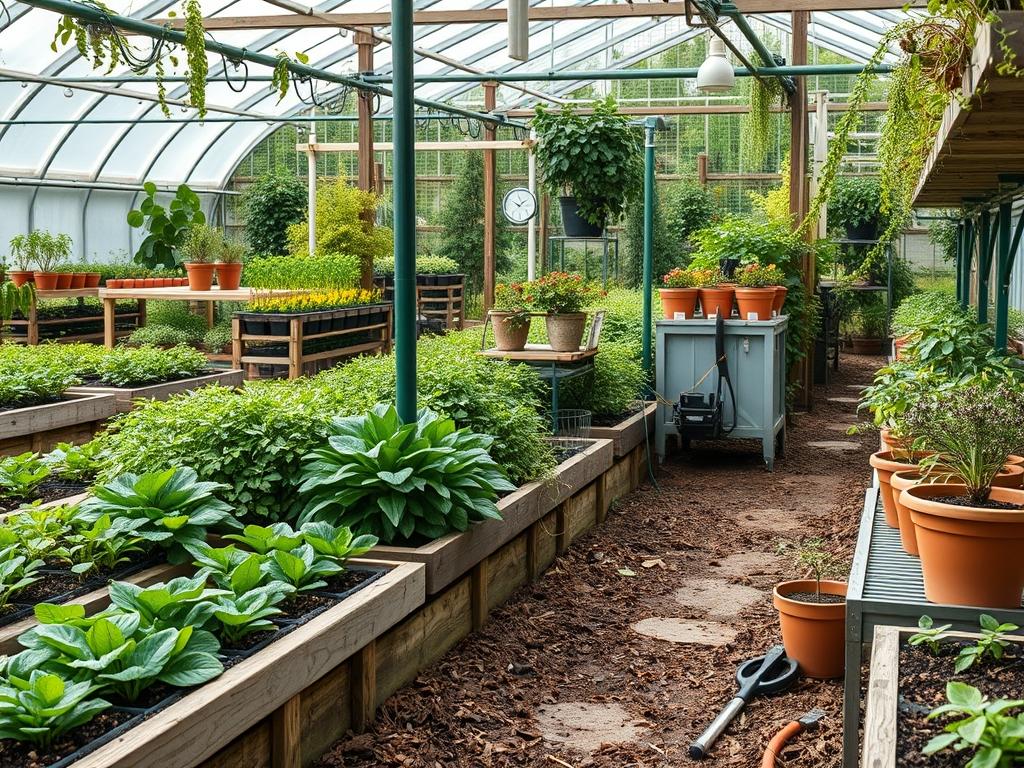
Modern residential landscapes are no longer defined solely by the variety of their flora or the quality of their turf. They are increasingly complex ecosystems where technology and organic beauty intersect to create secure, private sanctuaries. Integrating Automated Garden Fence Security into a professional landscape plan requires a nuanced understanding of both architectural structuralism and botanical growth patterns. The challenge for many homeowners is balancing the clinical look of security hardware with the soft, inviting textures of a well-maintained garden. By treating security as a structural element similar to a pergola or a retaining wall, a landscape architect can enhance curb appeal while ensuring the perimeter remains impenetrable. Climate considerations also play a vital role, as fluctuating humidity and temperature extremes can affect the mechanical components of automated systems and the vitality of the surrounding greenery.
Outdoor functionality goals often include the creation of distinct “rooms” within the garden. Automated Garden Fence Security facilitates this by allowing for controlled access points that do not disrupt the visual flow of the property. When planning these installations, one must consider the sightlines from the primary residence. A security fence should serve as a frame for the landscape, drawing the eye toward focal points rather than acting as a visual obstruction. Through strategic placement and the use of high-quality materials, the perimeter becomes an asset that increases property value and provides peace of mind.
Landscape Design Principles
Successful garden design relies on the core principles of symmetry, focal points, and elevation layers. When incorporating Automated Garden Fence Security, symmetry is achieved by mirroring plantings on either side of the primary gate or access point. This creates a sense of formal entry and intentionality. For example, placing a pair of boxwood shrubs or tiered planters flanking an automated sliding gate helps to ground the heavy machinery in organic forms. Focal points, such as a large ornamental maple or a designer water feature, should be positioned to draw attention away from the technical sensors and wiring, keeping the observer’s focus on the artistry of the environment.
Elevation layers are essential for creating depth and concealing security infrastructure. By utilizing retaining walls and raised beds, a designer can hide the lower tracks of an automated fence behind a curtain of creeping thyme or trailing rosemary. This tiered approach also aids in irrigation planning. Walkways should be constructed with permeable pavers or crushed stone to ensure that water does not pool near sensitive electronic components. Visual balance is maintained by matching the weight of the security fence with equally robust plant selections; a heavy iron automated gate requires the presence of substantial trees or dense hedging to look proportional to the rest of the site.
Plant and Material Selection
| Plant Type | Sun Exposure | Soil Needs | Water Demand | Growth Speed | Maintenance Level |
| :— | :— | :— | :— | :— | :— |
| Emerald Green Arborvitae | Full Sun | Well-drained | Moderate | Medium | Low |
| Japanese Yew | Partial Shade | Loamy/Acidic | Moderate | Slow | Medium |
| Panic Grass | Full Sun | Sandy/Loamy | Low | Fast | Low |
| Cherry Laurel | Sun to Shade | Moist/Rich | Moderate | Fast | Medium |
| Lavender | Full Sun | Gritty/Alkaline | Very Low | Medium | High (Pruning) |
| Star Jasmine | Partial Sun | Fertile/Moist | Moderate | Fast | Medium |
Implementation Strategy
The implementation of a high-tech garden begins with rigorous site preparation. Step one involves professional grading of the entire perimeter. If the soil is not perfectly leveled, the motors of the Automated Garden Fence Security system will face undue stress, leading to premature mechanical failure. During this phase, it is critical to install underground conduit for all electrical and data lines. These should be buried at least 18 inches deep to avoid interference from future planting or aeration.
Once the infrastructure is laid, the focus shifts to the landscape layout. Creating a clean edging between the security fence and the lawn is vital. Use steel edging or concrete curbing to prevent grass and weeds from interfering with the sensors or gate tracks. A mulch depth of 3 inches should be applied to all surrounding beds to suppress weeds and retain moisture, but care must be taken to keep mulch away from the moving parts of the fence. Drainage is the next priority. Installing a French drain system or a dry creek bed near the fence line will divert runoff away from sensitive electronics while providing an attractive hardscaping feature. Finally, the selection of hardscaping materials, such as basalt stone or river rock, can be used to fill the space directly beneath the fence line, ensuring a clean, maintenance-free zone that supports the automated functionality.
Common Landscaping Failures
One of the most frequent errors in landscape design is improper spacing, leading to root overcrowding. When plants are placed too close to a security fence, their root systems can heave the footings of the posts, throwing the Automated Garden Fence Security alignment out of sync. This often occurs with fast-growing species like willows or certain eucalyptus cultivars. Furthermore, drainage mistakes can create standing water that corrodes the metal components of the gate or shorts out the sensors. A garden that does not account for the mature spread of its inhabitants will eventually become a maintenance nightmare as foliage begins to trigger motion sensors unnecessarily.
Soil compaction is another silent failure point. During the installation of heavy automated fencing, construction equipment often packs the soil down so tightly that oxygen and water cannot reach the roots of nearby plants. This leads to stunted growth and increased susceptibility to pests. Additionally, irrigation inefficiencies, such as spray heads that aim directly at security control boxes rather than the root zones of the plants, can lead to both mechanical damage and plant dehydration. Professional designers avoid these pitfalls by creating a clear setback zone where only low-impact groundcovers or stones reside.
Seasonal Maintenance
Landscape management is a year-round commitment that changes with the seasons. In the spring, the primary focus is on pruning and system testing. Any overhanging branches that grew during the dormant season must be trimmed back to ensure they do not obstruct the Automated Garden Fence Security sensors. This is also the time to apply a high-quality slow-release fertilizer and inspect the irrigation zones for leaks. As summer arrives, the demand for water increases. Deep watering should be performed in the early morning to minimize evapotranspiration and prevent moisture from sitting on the metal fence components overnight.
Autumn is the season for debris management and mulching. Falling leaves must be cleared from the automated tracks and sensor paths to prevent false alarms or mechanical jams. Adding a fresh layer of hardwood mulch will help protect the root zones from the coming frost. During the winter, the focus shifts to protecting the technology. In colder climates, ensuring that the gate tracks are clear of ice and snow is paramount. It is also a good time to inspect the structural integrity of the fence and apply any necessary rust inhibitors or protective coatings to the hardware. Consistent seasonal checks ensure the garden remains beautiful and the security remains functional.
Professional Landscaping FAQ
How do I hide the control box for my automated fence?
Utilize evergreen shrubs like Japanese Holly or a decorative lattice screen. Ensure there is at least a 12-inch clearance for technician access and adequate ventilation to prevent the electronics from overheating during peak summer months.
Will climbing vines damage my security sensors?
Yes, aggressive climbers like English Ivy or Wisteria can obstruct sensors and add weight to the motor. Instead, use Star Jasmine on a separate trellis located at least three feet away from the moving parts of the fence.
What is the best ground cover near automated gate tracks?
Decomposed granite or river rock are the most effective. These materials provide excellent drainage and do not have the wandering growth habits of turf grass, which can easily jam the lower mechanical components of the gate.
How often should I prune trees near the fence line?
A bi-annual schedule is recommended. Perform a major prune in late winter to shape the canopy and a light trim in mid-summer to remove any adventurous new growth that might interfere with the fence’s automated path or sensors.
Does automated fencing require special soil considerations?
The fence posts require deep concrete footings. Ensure the surrounding soil has high compaction strength to prevent the fence from leaning over time. If your soil is primarily clay, incorporate gypsum to improve structure and drainage.