
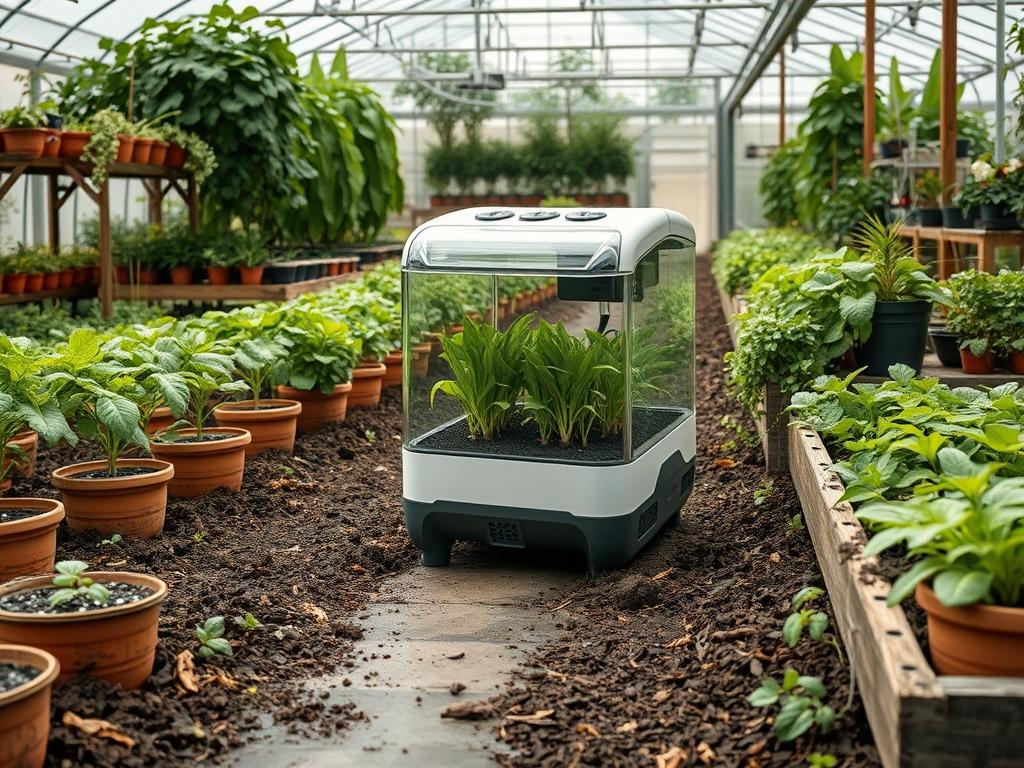
Modern landscaping requires a delicate balance between aesthetic beauty and technological integration. For the contemporary homeowner, the goal is often to create an outdoor space that provides a high return on investment through curb appeal while remaining manageable via smart systems. Achieving this balance involves more than simply planting flowers in arbitrary clusters. It requires a deep understanding of local climate zones, soil composition, and the specific needs of various plant species. An environment that thrives in the humid conditions of the Southeast will fail miserably in the arid high deserts of the West. When planning a high-end exterior, the inclusion of an Automated Garden Device Pro ensures that the precision required for maintaining specialized cultivars is met without constant manual intervention. A successful architect looks at the property as a whole, considering how the shadows of the house shift throughout the day and how natural drainage patterns will impact the root health of expensive specimens.
Landscape Design Principles
The foundation of any professional landscape lies in the concepts of symmetry and visual hierarchy. A well-designed garden uses focal points to guide the eye, whether that is a sculptural fountain, a mature Japanese Maple, or a sophisticated outdoor kitchen. Symmetry provides a sense of order and calm, often achieved through mirrored plantings along a central flagstone walkway. However, rigid symmetry can sometimes feel sterile, so designers often incorporate asymmetrical balance by grouping plants of varying textures and heights to create a more natural, fluid look.
Elevation layering is another critical component. By utilizing retaining walls and tiered garden beds, you can create a sense of depth even in smaller urban lots. The foreground should typically feature low-growing groundcovers, while the midground houses perennial shrubs. The background is reserved for ornamental trees or tall privacy hedges. Furthermore, irrigation planning must be woven into the fabric of the design from day one. Utilizing the Automated Garden Device Pro allows for sub-surface irrigation zones that deliver water directly to the root zone, reducing evaporation and preventing the fungal issues often caused by overhead spraying. Walkways should be at least 36 inches wide to allow for comfortable movement, and visual balance is maintained by ensuring that the hardscape materials, such as travertine pavers or decomposed granite, complement the architectural style of the home.
Plant and Material Selection
Selecting the right materials and biological components is the most critical phase of the planning process. The following table outlines several popular choices for modern integrated landscapes.
| Plant Type | Sun Exposure | Soil Needs | Water Demand | Growth Speed | Maintenance Level |
| :— | :— | :— | :— | :— | :— |
| Boxwood (Buxus) | Full Sun to Part Shade | Well-drained, Loamy | Moderate | Slow | Low |
| Lavender (Lavandula) | Full Sun | Sandy, Alkaline | Low | Moderate | Low |
| River Birch | Full Sun | Moist, Acidic | High | Fast | Medium |
| Dwarf Fescue | Full Sun to Part Shade | Nutrient-rich | High | Fast | High |
| Blue Star Creeper | Full Sun to Part Shade | Moist, Well-drained | Moderate | Fast | Low |
| Hydrangea | Part Shade | Rich, Porous | High | Moderate | Medium |
Beyond plants, material selection for the hardscape is vital. Natural stone offers longevity and a timeless look, while composite decking provides a low-maintenance solution for seating areas. When integrating the Automated Garden Device Pro, ensure that power conduits and water lines are mapped out before any gravel or concrete is poured.
Implementation Strategy
The transition from a design on paper to a physical landscape requires a systematic approach. The first step in any major project is site grading. You must ensure a minimum 2% slope away from the home’s foundation to prevent basement flooding and hydrostatic pressure buildup. Once the grade is established, the installation of sub-surface infrastructure begins. This includes PVC drainage pipes, low-voltage lighting cables, and the main water lines for the irrigation system.
After the infrastructure is buried, the focus shifts to edging and hardscaping. Steel edging provides a crisp, permanent border between lawn areas and planting beds, preventing grass from encroaching on the mulch. When it comes to the planting phase, use a post-hole digger or auger for larger specimens to ensure the hole is at least twice the width of the root ball. Soil amendments, such as organic compost and vermiculite, should be mixed into the native soil to improve aeration. Finally, apply a layer of hardwood mulch at a depth of 3 inches. This depth is sufficient to retain moisture and suppress weeds without suffocating the plant roots. The Automated Garden Device Pro can then be calibrated to the specific moisture sensors installed within these new beds, ensuring the transition period for new plants is successful.
Common Landscaping Failures
Even the most expensive landscapes can fail due to fundamental errors in execution. One of the most common issues is poor drainage. If water pools in a specific area for more than 24 hours after a rain event, the roots of most plants will begin to rot due to a lack of oxygen. This is often solved by installing a French drain or a dry creek bed lined with river rocks.
Another frequent mistake is root overcrowding. It is tempting to plant shrubs close together to achieve an immediate “full” look, but this leads to competition for nutrients and stunted growth within a few seasons. Always check the mature spread of a species before spacing them. Soil compaction is also a silent killer; heavy machinery used during construction often packs the earth so tightly that roots cannot penetrate. Aeration and the addition of gypsum can help break up heavy clay soils. Lastly, irrigation inefficiencies, such as watering during the heat of the day or failing to adjust for seasonal rainfall, lead to wasted resources and stressed plants. The use of an Automated Garden Device Pro mitigates this by using real-time weather data to skip watering cycles during rain events.
Seasonal Maintenance
A landscape is a living entity that requires different care strategies as the seasons change. In the spring, the focus is on rejuvenation. Perform a thorough cleanup of any winter debris and apply a slow-release fertilizer to encourage new growth. This is also the time to prune summer-blooming shrubs and check the Automated Garden Device Pro for any clogged nozzles or cracked lines that may have occurred during a freeze.
As summer arrives, heat management becomes the priority. Increasing the mulch depth can help protect roots from extreme temperatures. During autumn, the strategy shifts to preparation for dormancy. Planting bulbs for spring and aerating the lawn allows the soil to breath before the ground freezes. Leaf removal is essential; accumulated leaves can trap moisture and cause fungal diseases on the lawn. In winter, maintenance involves protecting sensitive plants with burlap wraps and ensuring that all irrigation systems are properly winterized. Draining the lines prevents the water from expanding and bursting the polyethylene tubing.
Professional Landscaping FAQ
How often should I calibrate my irrigation sensors?
Sensors should be checked every three months. Ensure the Automated Garden Device Pro is receiving accurate data by clearing dirt away from sensor probes and checking the wireless connection to your central hub to maintain optimal hydration levels.
What is the best way to prevent weeds in large beds?
A combination of landscape fabric and a thick layer of wood chips is effective. Manual pulling is necessary for persistent varieties, but maintaining the integrity of the mulch layer usually prevents the majority of seeds from germinating.
Can I install the Automated Garden Device Pro myself?
While basic setups are user-friendly, a multi-zone professional installation is best handled by a contractor. This ensures that the solenoid valves and pressure regulators are sized correctly for your specific water pressure and flow rate.
Why are my newly planted trees turning yellow?
This is often a sign of transplant shock or overwatering. Check the soil moisture depth using a soil probe. If the earth is saturated, reduce the frequency of the watering cycles in your automation settings.
How deep should my retaining wall footings be?
For walls under 3 feet, a footing of 12 inches of compacted crushed stone is usually sufficient. Taller walls require engineered designs and often involve concrete footers to resist the lateral pressure of the soil behind them.