
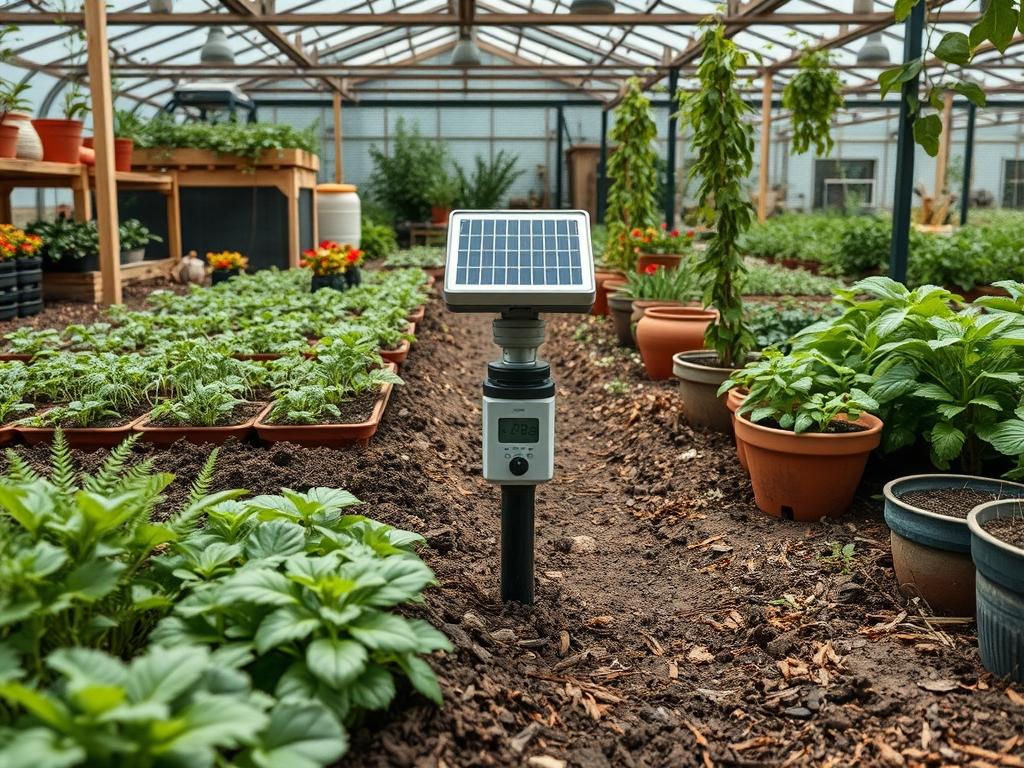
Creating a sustainable and aesthetically pleasing landscape requires more than simply placing greenery into the soil; it demands a strategic understanding of environmental variables, topography, and the long-term biological needs of the site. Modern landscape architecture has transitioned from purely decorative arrangements to highly functional ecosystems that manage light, water, and soil health with precision. The integration of technology, specifically through the use of a Solar Powered Sensor Guide, allows homeowners and professionals to monitor these variables in real time. By understanding the unique microclimates within a single property, you can ensure that every Perennial or Deciduous Tree is positioned for peak performance. This guide explores the nexus of traditional design principles and modern monitoring tools to help you build a resilient outdoor environment that enhances both curb appeal and ecological value.
Effective landscaping begins with a thorough site analysis that considers the sun path, wind patterns, and the existing Soil pH. Many properties suffer from generic layouts that do not account for the specific drainage challenges or light exposure levels inherent to the land. When you utilize a Solar Powered Sensor Guide to map out your yard, you gain data on which areas receive six hours of direct sunlight and which zones remain in deep shade. This objective data prevents the common mistake of planting sun loving species in cool, damp corners where they are likely to develop root rot or fungal infections. By aligning your goals for outdoor living with the physical constraints of the site, you create a foundation for a garden that matures gracefully rather than requiring constant, expensive interventions.
Landscape Design Principles
Successful landscape design relies on the core principles of balance, focal points, and transition. Symmetry provides a sense of formal elegance, often used in front yard entries to direct the eye toward the front door. This is achieved through mirrored plantings of Boxwood shrubs or identical Ceramic Planters placed on either side of a walkway. In contrast, asymmetrical balance uses different objects with similar visual weight to create a more relaxed, naturalistic feeling. A large Oak tree on one side of a lawn can be balanced by a dense cluster of Hydrangeas and a decorative Stone Bench on the other. Visual weight is a crucial concept here; it determines where a viewer looks first and how they move through the space.
Focal points serve as the anchors of your garden. Whether it is a large Basalt Fountain, a vibrant Japanese Maple, or a sophisticated Solar Powered Sensor Guide hub, a focal point gives the eye a place to rest. Beyond aesthetics, the principle of elevation layers ensures that your garden feels lush and full. By arranging plants in three distinct tiers, including the foreground (groundcovers), midground (shrubs and perennials), and background (tall trees and privacy hedges), you create a sense of depth. This layering techniques also serves a functional purpose, as taller plants can provide necessary shade for delicate species below, effectively managing the garden’s internal temperature and moisture levels.
Plant and Material Selection
Choosing the right materials and biological components is the most critical phase for long term success. You must select plants that are hardy for your specific USDA Hardiness Zone while considering their eventual mature size. The following table provides a breakdown of common selections for a modern landscape.
| Plant Type | Sun Exposure | Soil Needs | Water Demand | Growth Speed | Maintenance Level |
| :— | :— | :— | :— | :— | :— |
| Lavender | Full Sun | Well-Drained | Low | Moderate | Low |
| Hostas | Full Shade | Humus-rich | Medium | Fast | Moderate |
| Boxwood | Partial Sun | Loamy | Medium | Slow | High |
| Feather Reed Grass | Full Sun | Clay/Sandy | Low | Fast | Low |
| Japanese Maple | Partial Shade | Slightly Acidic | Medium | Slow | Moderate |
| Creeping Thyme | Full Sun | Pavement/Rocky | Low | Moderate | Very Low |
| Eastern Redbud | Partial Sun | Well-Drained | Medium | Moderate | Moderate |
In addition to plants, the selection of hardscape materials defines the structure of the garden. Flagstone and Pavers offer a permanent surface for movement, while River Rock and Pea Gravel provide excellent solutions for areas with high drainage needs. When selecting Mulch, aim for Shredded Cedar Mulch or Pine Bark. A layer of 3 inches of mulch is generally recommended to suppress weeds and retain soil moisture, though you should always keep it a few inches away from the trunk of any tree to prevent bark decay.
Implementation Strategy
The implementation of a professional landscape begins with Grading. Before a single flower is planted, the land must be sloped away from the home foundation at a minimum of 2 percent grade to ensure proper Drainage. Once the land is shaped, you should install any necessary Hardscaping, such as Retaining Walls or Walkways. These permanent structures define the “bones” of the garden and should be installed using a Laser Level for precision. For heavy structures, a base of 6 inches of compacted Crushed Limestone is essential to prevent shifting during freeze and thaw cycles.
After the hardscape is set, focus on your Irrigation Systems. Transitioning to a smart system integrated with a Solar Powered Sensor Guide allows for automated watering based on actual soil moisture levels. This prevents the wasteful practice of watering during rainstorms or over saturating the soil. When you are ready to plant, use an Auger or a Spade to dig holes that are twice as wide as the root ball but no deeper. This encourages lateral root growth into the surrounding soil. Finally, apply Slow-release Fertilizer and a thick layer of Organic Mulch to give the new residents the best possible start in their new environment.
Common Landscaping Failures
One of the most frequent mistakes in amateur landscaping is Root Overcrowding. It is tempting to plant shrubs close together to achieve an immediate “full” look, but within three to five years, those plants will compete for nutrients and light, leading to stunted growth and disease. Always research the mature spread of a species; if a Switchgrass grows to 4 feet wide, give it the space it needs from day one. Another common issue is Soil Compaction. During construction, heavy machinery can crush the air pockets in the soil, making it impossible for roots to penetrate or for water to drain. Using a Tiller to aerate the ground before planting is a vital corrective step.
Drainage Mistakes can be particularly catastrophic for both the garden and the home. Creating “bowls” in the lawn where water collects will drown most plants and attract mosquitoes. The installation of a French Drain (a trench filled with Perforated Pipe and Gravel) can redirect excess water to a lower point or a dedicated Rain Garden. Lastly, many gardeners fail to monitor their Irrigation Inefficiencies. Using too much water not only inflates utility bills but also leaches vital nitrogen from the soil, leaving plants yellowed and weak. Utilizing sensors to track the exact moisture requirements of different Hydrozones is the best defense against this common pitfall.
Seasonal Maintenance
Landscape management is a year round commitment that changes with the tilt of the earth. In Spring, the focus is on renewal. This is the time for Pruning dead wood from Fruit Trees using Bypass Pruners and applying a fresh layer of Compost to garden beds. It is also the ideal time to calibrate your Solar Powered Sensor Guide to ensure it is ready for the peak growing season. As Summer arrives, the priority shifts to hydration and heat management. Regularly check the data from your sensors to adjust irrigation schedules during heatwaves, and ensure that Mulch levels remain sufficient to protect root systems from the sun.
Autumn is the season for preparation and planting. The soil is still warm, but the air is cool, which is perfect for establishing new Shrubs and Trees. Rake fallen leaves to prevent them from matting down and suffocating the lawn, or better yet, shred them with a mower to create a nutrient rich organic additive. Finally, in Winter, the landscape enters dormancy. Protect sensitive plants with Burlap Wraps and avoid using heavy salts on Concrete Walkways, as the runoff can drastically alter the Soil pH and damage nearby plants. Use this time to inspect your Hardscaping for cracks and plan your adjustments for the following year.
Professional Landscaping FAQ
How do I determine my soil type without a lab?
Perform a squeeze test with moist soil. If it holds a tight ball, it is Clay. If it crumbles immediately, it is Sand. A ball that holds its shape but breaks with a light poke is Loam.
What is the best way to prevent weeds permanently?
While no method is permanent, combining a Geotextile Fabric with 3 inches of Wood Chips or Stone provides the most effective barrier. Regular monitoring and spot treating prevent new seeds from establishing in the organic top layer.
How often should I calibrate my outdoor sensors?
Check your Solar Powered Sensor Guide devices every six months. Clean the solar panels with a damp cloth to ensure maximum charging and verify that the moisture probes are free of debris or heavy corrosion for accurate readings.
Why are my newly planted trees turning yellow?
This is often a sign of Transplant Shock or overwatering. Check the soil moisture levels. If the ground is saturated, reduce irrigation. Ensure the tree was not planted too deep; the Root Flare should always be visible.
Can I landscape a steep slope to stop erosion?
Yes, use Terracing with Retaining Walls or plant deep rooted groundcovers like Creeping Juniper. These roots act as a natural web, holding the soil in place while the tiers break the downward flow of rainwater.