
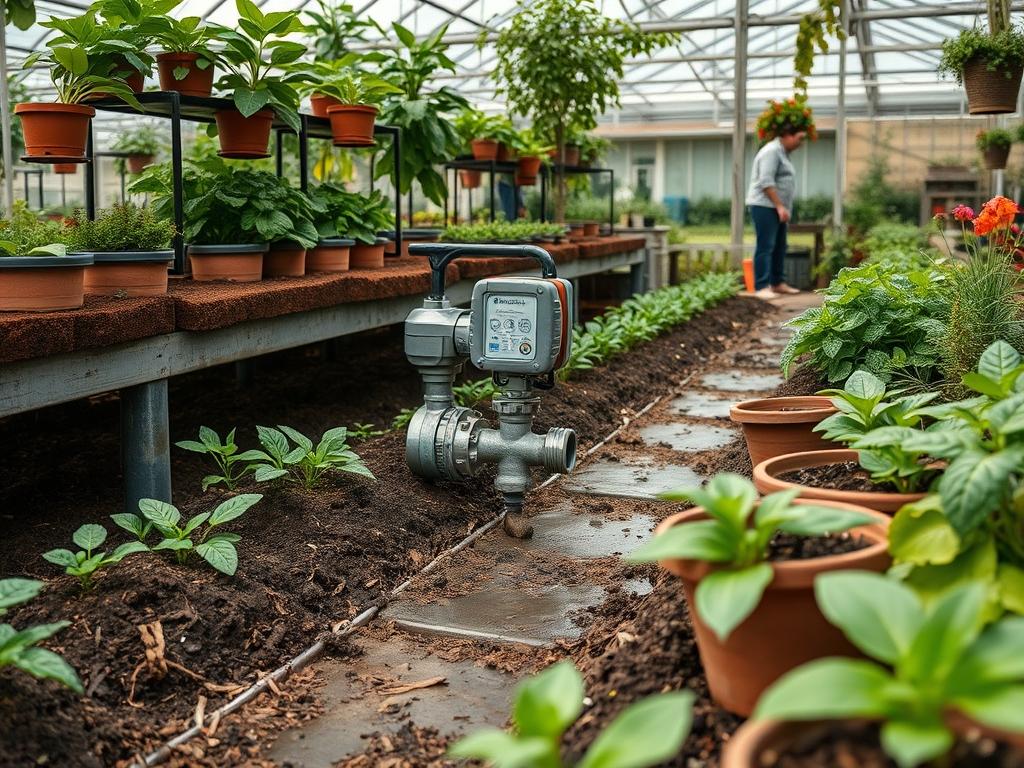
Every successful outdoor environment begins with a clear vision of how nature and architecture intersect. Homeowners often struggle with the balance of maintaining aesthetic vibrancy while managing resources like time and water. The climate presents a persistent challenge, as heat waves or sudden dry spells can devastate a poorly planned garden in days. To mitigate this risk, modern landscape architecture prioritizes functionality and curb appeal through smart infrastructure. Integrating a system such as the Automated Garden Valve Pro ensures that the precision required for delicate ecosystems is handled with technical accuracy. This allows for an outdoor living space that serves as an extension of the home, providing a sanctuary that remains resilient against environmental stressors.
A professional landscape is not merely a collection of plants. It is a calculated arrangement of elements designed to evoke specific emotions and serve specific purposes. When we design for curb appeal, we look at the trajectory of the sun, the prevailing wind patterns, and the existing topography of the land. High functioning landscapes require a marriage between horticulture and engineering. This means that while we select the most beautiful native plants, we also install the advanced hardware necessary to sustain them. The goal is to create a seamless transition between the built environment and the organic world, ensuring that every retaining wall and walkway feels intentional. By focusing on the infrastructure first, specifically the irrigation and drainage, we provide the foundation for a garden that matures gracefully over decades rather than fading after a single season.
Landscape Design Principles
Symmetry and visual balance are the cornerstones of high-end landscape architecture. A balanced design guide suggests that the human eye seeks equilibrium in the outdoor space. This does not always mean a mirrored image on either side of a path; rather, it refers to the weight of the objects. A large Oak tree on the left may be balanced by a dense cluster of Evergreen shrubs on the right. Focal points, such as a water feature or a sculptural Japanese Maple, provide a logical destination for the eye. These elements should be framed by secondary layers of vegetation to create depth.
Elevation layers are equally critical in modern planning. By utilizing retaining walls and terraced garden beds, we can transform a flat, one-dimensional yard into a multi-sensory experience. These levels allow for better water management and prevent soil erosion. Integration of the Automated Garden Valve Pro within these layers allows for specific zone control. For instance, the elevated beds may require more frequent, shorter watering cycles due to increased drainage, while the lower sun-drenched patches need deep saturation once every few days.
Irrigation planning must happen concurrently with the design of walkways and patios. Retrofitting a system after laying down pavers is a costly and preventable mistake. Modern professional standards dictate that every plant group, or hydro-zone, is treated as an individual climate. This level of granularity is only achievable through professional-grade equipment that can respond to local weather data in real time. Visual balance is maintained when every plant in the composition is equally healthy, a state that is difficult to achieve with manual watering or primitive spray timers.
Plant and Material Selection
The selection of flora must be dictated by the site conditions rather than sheer aesthetics. A common error is placing high-water plants in the path of direct afternoon sun without a robust delivery system. The following table outlines standard selections for a resilient landscape.
| Plant Type | Sun Exposure | Soil Needs | Water Demand | Growth Speed | Maintenance Level |
| :— | :— | :— | :— | :— | :— |
| Boxwood Shrub | Full Sun / Part Shade | Well-Drained | Moderate | Slow | Low |
| Lavender | Full Sun | Sandy/Gravelly | Low | Moderate | Low |
| Japanese Maple | Partial Shade | Loamy/Acidic | Moderate | Slow | Medium |
| Switchgrass | Full Sun | Most Types | Low | Fast | Low |
| Hydrangea | Part Shade | Rich/Moist | High | Fast | Medium |
| Creeping Thyme | Full Sun | Well-Drained | Low | Fast | Low |
Materials like crushed granite, river rock, and hardwood mulch serve as the connective tissue of the garden. A 3-inch layer of mulch is standard for retaining moisture and suppressing weed growth. For high-traffic areas, the use of flagstone or porcelain pavers provides durability while enhancing the overall character of the property.
Implementation Strategy
The successful implementation of a garden layout begins with professional grading. The land must be sloped away from the home foundation at a minimum of a 2-percent grade to prevent water damage. Once the terrain is set, we install the drainage infrastructure. This includes French drains and catch basins that pipe excess runoff away from low-lying areas. During this phase, the main lines for the Automated Garden Valve Pro are buried to a depth of at least 12 inches to protect them from frost and garden tools.
After the hardscape and irrigation are installed, we focus on edging. Metal or stone edging creates a clean boundary between the turfgrass and the planting beds, professionalizing the look of the yard. When planting, the hole should be twice as wide as the root ball but no deeper. This encourages lateral root growth. Once the plants are in the ground, a slow-release fertilizer is applied, followed by the specific mulch selection chosen for that zone. The final step of implementation is the calibration of the irrigation zones. Each Automated Garden Valve Pro unit is tested to ensure that the flow rate matches the absorption capacity of the soil, preventing runoff and ensuring that deep roots receive the hydration they require.
Common Landscaping Failures
One of the most frequent failures in residential landscaping is the neglect of soil health. Soil compaction restricts the flow of oxygen and water to the roots, essentially suffocating the plant over time. This often happens during construction when heavy machinery is driven over planting areas. Another common mistake is improper spacing. Homeowners often want an instant look and plant shrubs too close together. Within three years, these plants begin to compete for nutrients and light, leading to diseased or stunted growth.
Irrigation inefficiencies also rank high among common failures. Over-irrigation is just as damaging as a drought. It leads to root rot and the leaching of nutrients from the soil. Relying on manual intervention often results in inconsistent scheduling, which stresses the plants. Using an Automated Garden Valve Pro eliminates the human error factor, providing the consistent moisture levels required for optimal plant health. Finally, poor drainage planning results in standing water, which can attract pests and drown expensive plant specimens. Ensuring that the site has a clear path for water exit is non-negotiable for a professional installation.
Seasonal Maintenance
Landscape management is a year-round commitment that changes with the light and temperature. In the spring, the focus is on renewal. This involves aeration of the lawn, pruning away winter-damaged branches with bypass pruners, and refreshing the mulch to a consistent 2-inch or 3-inch depth. It is also the time to prime the Automated Garden Valve Pro and check for any leaks that may have occurred during the freeze.
Summer maintenance is predominantly about water management and heat mitigation. As temperatures rise, monitoring the soil moisture becomes a daily requirement. It is during these months that the efficiency of the Automated Garden Valve Pro becomes most apparent, as it can be programmed to water during the early morning hours to minimize evaporation. Autumn is for preparation and planting. The soil is still warm, making it the ideal time for root development of new perennials. This is also the season for leaf removal and the final fertilization of the year. In winter, the primary task is protection. Irrigation systems should be blown out or insulated to prevent frozen pipes, and delicate plants may need wrapping in burlap to survive heavy frosts.
Professional Landscaping FAQ
How often should I water new plants?
New plants typically require daily watering for the first two weeks to establish roots. Utilizing the Automated Garden Valve Pro allows for automated, frequent cycles that ensure the root ball never dries out during this critical settlement phase.
What is the best depth for garden mulch?
A depth of 3 inches is ideal for most garden beds. This thickness is sufficient to suppress weed seeds and retain moisture without suffocating the soil or preventing water from reaching the root systems of your shrubs.
Why is my drainage system failing?
Drainage failure is often caused by debris clogging the pipes or improper grading. Ensure your French drains have accessible cleanouts and that the soil has not settled into a negative slope toward your home foundation over time.
Can I mix different plant types in one zone?
It is best to group plants by their water and light needs, a practice called hydro-zoning. This allows the Automated Garden Valve Pro to deliver the exact amount of water required by that specific group without overwatering others.
How do I prevent root overcrowding?
Always research the mature width of a plant before installation. Space your perennials and shrubs based on their size at five years of growth rather than their size at the nursery to ensure long-term health and airflow.