
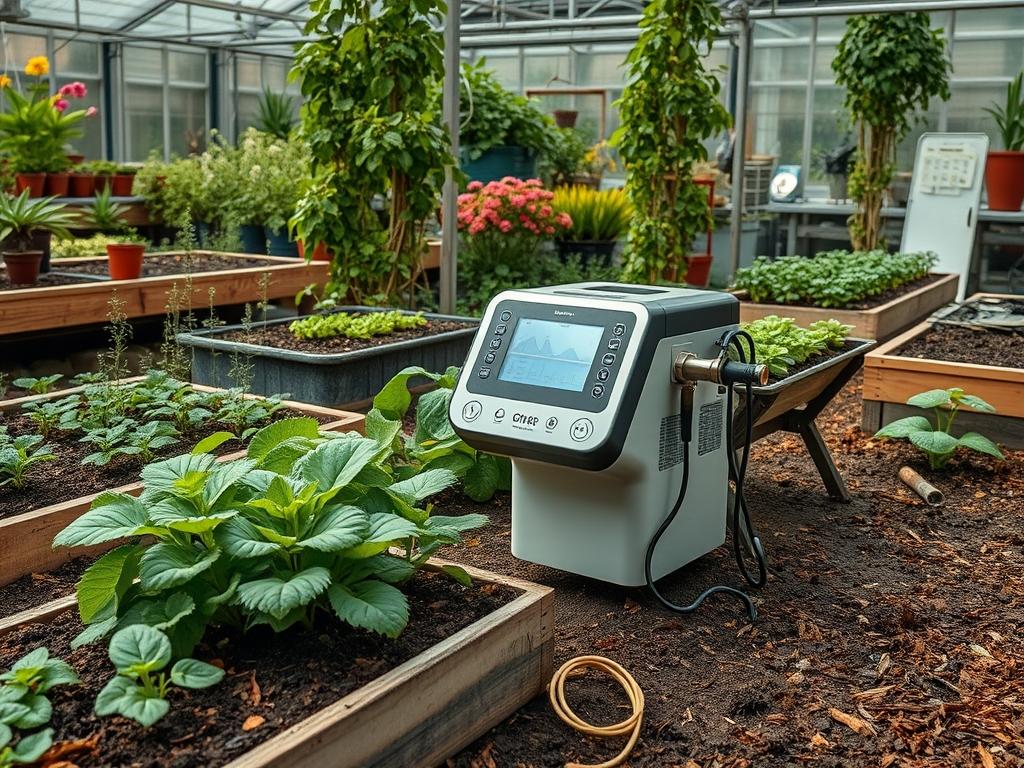
Creating a cohesive outdoor environment requires a delicate balance between artistic vision and scientific precision. For many property owners, the initial excitement of selecting vibrant blooms often overshadows the technical requirements of site preparation and long term sustainability. A successful landscape is not merely a collection of plants, it is a living system that must respond to local climate shifts, soil composition, and drainage patterns. Achieving high curb appeal while maintaining functional utility involves more than just aesthetic flair. It demands a rigorous approach to site analysis and the strategic integration of modern tools to manage resources efficiently. By leveraging Automated Garden Device Tech, professionals and homeowners can bridge the gap between human intuition and data driven maintenance, ensuring that the outdoor living space thrives across all seasons without excessive manual intervention.
Building a resilient landscape starts with understanding the microclimates present within a single lot. Factors such as shadow patterns cast by the residence, prevailing wind directions, and the slope of the terrain dictate what can be planted and where. When these factors are ignored, even the most expensive specimens are likely to fail. Modern landscaping thrives when it incorporates technology that monitors these variables in real time. Accurate data allows for the optimization of water usage and nutrient application, preventing the waste commonly associated with traditional, static gardening methods. As we explore the core principles of professional design and implementation, the role of precision technology becomes increasingly vital in protecting your environmental investment.
Landscape Design Principles
Effective landscape design relies on the fundamental concepts of symmetry and visual weight to guide the eye through the environment. A well planned garden uses focal points, such as a large specimen tree or a structural retaining wall, to provide an anchor for the surrounding elements. These focal points are complemented by elevation layers, where shorter groundcovers transition into mid sized shrubs and eventually into a high canopy. This vertical layering mimics natural ecosystems and creates a sense of depth and enclosure that enhances the privacy of the outdoor space.
Irrigation planning is perhaps the most critical technical aspect of the design phase. Relying on manual watering or simple timers often leads to overwatering in shaded areas and drought stress in sunny spots. This is where Automated Garden Device Tech proves indispensable. By utilizing soil moisture sensors and weather linked controllers, a designer can create hydrozones that deliver exactly what each plant group needs based on real time evaporation rates. Furthermore, the inclusion of clear walkways and transitional zones ensures that the landscape remains accessible and functional. These hardscaped paths should be designed with proper grading to prevent water pooling, utilizing permeable materials to assist with natural groundwater recharge.
Plant and Material Selection
Selecting the right biological components for a landscape requires a deep understanding of local ecology. The following table highlights common plant categories and their specific requirements for a successful installation.
| Plant Type | Sun Exposure | Soil Needs | Water Demand | Growth Speed | Maintenance Level |
| :— | :— | :— | :— | :— | :— |
| Evergreen Shrub | Full to Partial | Well-drained, acidic | Moderate | Medium | Low |
| Perennial Flower | Full Sun | Loamy, rich | High | Fast | Medium |
| Ornamental Grass | Full Sun | Sandy or rocky | Low | Fast | Very Low |
| Deciduous Tree | Full Sun | Deep, silty clay | Moderate | Slow | Low |
| Groundcover | Shade to Partial | Moist, organic | Moderate | Medium | Low |
| Native Wildflowers| Full Sun | Poor to Average | Very Low | Medium | Very Low |
In addition to biological selections, material choices for hardscaping define the longevity of the garden. Using natural stone or pavers with a high solar reflectance index can help mitigate heat island effects in urban settings. The choice of mulch is equally important. Applying a 3 inch depth of organic cedar or hemlock mulch helps retain moisture and suppress weeds, while gradually improving soil structure as it decomposes.
Implementation Strategy
The transition from a two dimensional plan to a three dimensional landscape requires a systematic implementation strategy. The process begins with professional grading, which is the foundational work of shaping the land to direct runoff away from the home foundation and toward designated drainage areas or rain gardens. Once the land is shaped, the installation of primary infrastructure occurs. This includes underground utility lines, irrigation pipes, and the installation of Automated Garden Device Tech components such as central hubs and sensor arrays.
After the infrastructure is buried, the focus shifts to edging and bed preparation. Creating crisp, deep edges between turf and planting beds prevents invasive grass species from encroaching on ornamental plants. Soil amendments should be tilled into the top 6 to 10 inches of the earth to ensure that root systems have immediate access to nutrients. When planting, the root ball of each specimen should be set slightly above the soil line to account for future settling and to prevent crown rot. Once the plants are situated, the final layer of natural mulch is applied, and the automated system is calibrated to the specific needs of the newly installed biomass.
Common Landscaping Failures
Failure in a landscape often stems from a lack of foresight regarding the maturity of the plant material. Root overcrowding is a frequent issue where trees and shrubs are planted too close to buildings or one another, leading to structural damage and nutrient competition. Proper spacing, as recommended by plant nurseries, must be strictly followed even if the garden looks sparse during its first year. Another common mistake involves soil compaction, often caused by heavy machinery during construction or excessive foot traffic. Compacted soil lacks the pore space necessary for oxygen to reach the roots, effectively suffocating the plants regardless of how much water or fertilizer is applied.
Drainage mistakes represent some of the most costly errors in outdoor environments. If a site is not properly graded, water will collect in low spots, leading to anaerobic soil conditions and the death of most non aquatic species. Furthermore, irrigation inefficiencies, such as misaligned sprinkler heads or broken pipes, can lead to massive water bills and localized flooding. Using Automated Garden Device Tech helps mitigate these failures by providing leak detection alerts and adjusting schedules based on rainfall, ensuring that the system never operates during a storm or when the soil is already saturated.
Seasonal Maintenance
Maintaining a professional landscape is a year long commitment that changes with the weather. In the spring, the primary focus is on removing winter debris, refreshing mulch, and applying a slow release fertilizer to support new growth. This is also the time to test the irrigation system and ensure all sensors are functioning after the winter dormancy. As the heat of summer arrives, maintenance shifts toward monitoring for pests and managing water stress. The data provided by your garden technology becomes vital during this period, as it allows for precise adjustments to watering frequency during heat waves.
Autumn is the season for preparation and renovation. This is the ideal time for aerating the soil to combat compaction and for planting new trees or shrubs, as the cooler temperatures and increased rainfall support root establishment before the ground freezes. Finally, winter maintenance involves protecting sensitive species from frost and ensuring that all water lines are winterized to prevent burst pipes. For those using Automated Garden Device Tech, this is the period to review the year’s data and plan for any necessary adjustments to the design or hardware for the upcoming growing season.
Professional Landscaping FAQ
How does automated tech improve plant health?
Automated Garden Device Tech provides precise moisture and nutrient data, allowing for customized care. This prevents the physiological stress caused by overwatering or dehydration, resulting in a more resilient and vibrant landscape that thrives even in volatile weather conditions.
What is the ideal mulch depth for new gardens?
For most planting beds, a consistent 3 inch depth of organic mulch is recommended. This thickness provides adequate insulation for the root zone and suppresses weed germination without preventing essential oxygen exchange between the soil and the atmosphere.
How do I prevent drainage issues near my home?
Ensure that the final grading slopes away from the foundation at a rate of at least one inch per foot for the first ten feet. Integrating French drains or dry creek beds can further manage heavy runoff during storms.
Why are native plants preferred in modern design?
Native plants are evolutionarily adapted to the local climate and soil, requiring significantly less water and chemical intervention. They also provide essential habitats for local pollinators, making the landscape a contributing part of the broader regional ecosystem.
When should I calibrate my automated irrigation system?
Calibration should occur at the start of every spring and be reviewed mid summer. Changes in plant size and seasonal evaporation rates mean that a system optimized for May will likely be insufficient for the peak heat of August.