
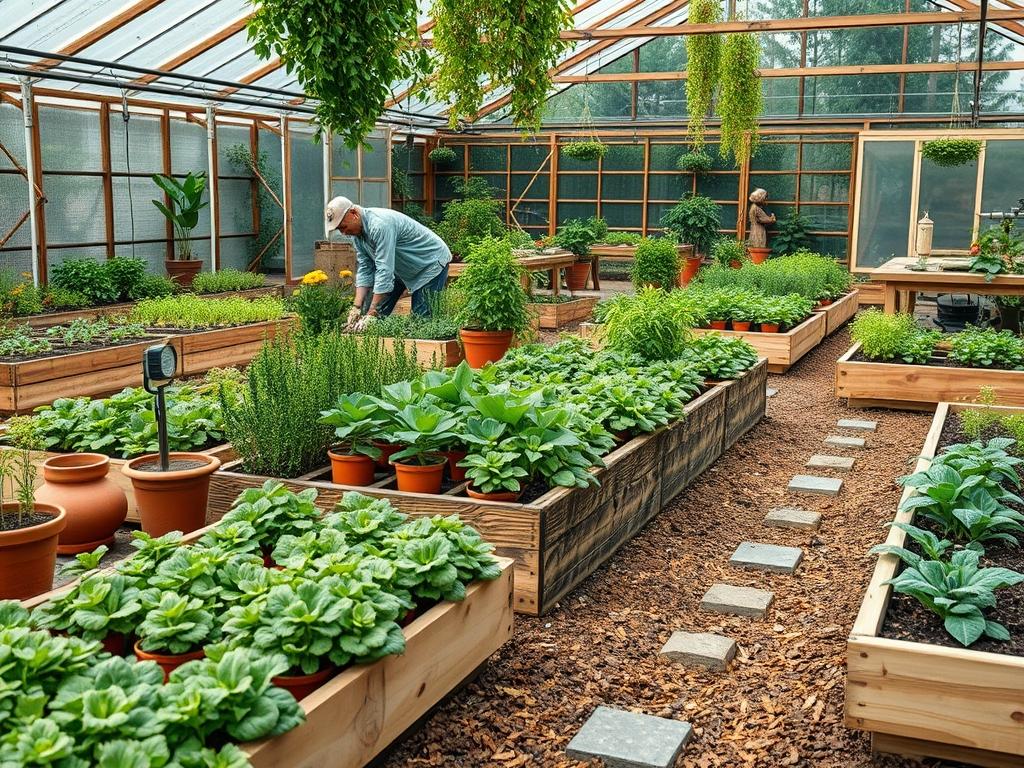
Designing a modern landscape requires a delicate balance between aesthetic ambition and environmental pragmatism. As global weather patterns become increasingly unpredictable, the necessity for high performance outdoor environments has never been greater. Homeowners often focus exclusively on the visual appeal of lush green lawns and vibrant floral borders while overlooking the underlying hydraulic infrastructure required to maintain them. A truly successful landscape design integrates Smart Irrigation Design Tips from the conceptual phase, ensuring that every drop of water is utilized with maximum efficiency. This approach not only enhances the overall curb appeal of a property but also protects the long term health of the vegetation and the structural integrity of the surrounding hardscaping. By viewing irrigation as the lifeblood of the environment rather than a utility afterthought, you can create a resilient sanctuary that thrives through the hottest summers and the driest autumns.
The complexity of a landscape is often found in its invisible systems. Soil composition, microclimates, and grading all play a role in how water moves through a space. In the professional world, we refer to this as the hydraulic footprint. To manage this effectively, designers must transition away from traditional “set it and forget it” clock timers and toward intelligent, responsive technology. Integrating Smart Irrigation Design Tips involves more than just buying a high tech gadget. It requires an understanding of how distinct plant species interact with their environment and how specific materials like river rock, mulch, and permeable pavers influence evaporation rates. When these elements are harmonized, the result is a landscape that looks effortless and remains sustainable for decades.
Landscape Design Principles
Central to any professional layout is the concept of visual balance and symmetry. This does not always mean a mirror image; rather, it refers to the weight of the objects within the space. A large evergreen tree on the left can be balanced by a cluster of smaller shrubs and a decorative boulder on the right. During the planning phase, it is vital to incorporate elevation layers. This involves placing taller specimens at the back of the sightline and shorter, ground covering plants in the foreground. This layering creates depth and mimics natural ecological structures, providing a more immersive experience for the homeowner.
Irrigation planning must follow these layers strictly. To avoid the common mistake of overwatering some plants while starving others, professional architects use a method called hydrozoning. This involves grouping plants with similar water requirements into the same irrigation zone. For example, succulent gardens should never share a zone with moisture loving turfgrass. Incorporating Smart Irrigation Design Tips means utilizing smart controllers that use local weather data to calculate evapotranspiration rates. These controllers can automatically skip a watering cycle if a rain event is detected or if the wind speed is high enough to cause significant spray drift. Furthermore, the use of focal points, such as a water feature or a large sculptural urn, should be planned around these zones to ensure that the surrounding utility lines do not interfere with the visual impact of the feature.
Walkways and circulation paths also serve as functional dividers for irrigation zones. When designing paths using flagstone or decomposed granite, consider how these surfaces reflect heat. A plant bed adjacent to a hot stone walkway will experience higher soil temperatures and require more frequent, shorter bursts of water to stay cool. Professional designs often include subsurface drip irrigation near walkways to prevent water from splashing onto the hardscaping, which can lead to staining, slippery moss growth, or structural erosion over time.
Plant and Material Selection
Selecting the right plant for the right place is the cornerstone of a sustainable landscape. The following table provides a guide for common species used in modern professional designs and their specific requirements.
| Plant Type | Sun Exposure | Soil Needs | Water Demand | Growth Speed | Maintenance Level |
| :— | :— | :— | :— | :— | :— |
| Lavender | Full Sun | Well Drained | Low | Moderate | Low |
| Hostas | Full Shade | Humus Rich | Moderate | Fast | Low |
| Black-Eyed Susan | Full Sun | Clay or Loam | Low | Moderate | Minimal |
| Boxwood Shrub | Partial Sun | Loamy | Moderate | Slow | High (Pruning) |
| River Birch | Full Sun | Moist Acidic | High | Fast | Moderate |
| Blue Grass | Full Sun | Rich Loam | High | Fast | High (Mowing) |
| Sedum | Full Sun | Sandy | Minimal | Fast | Low |
Implementation Strategy
The transition from a blueprint to a physical garden requires a meticulous implementation strategy. The first step in any backyard or garden layout is the site analysis and grading. Proper grading ensures that water flows away from the home foundation and toward designated drainage areas or irrigation rain gardens. If a site is naturally flat, a professional may install French drains or catch basins to prevent puddling. Once the grade is established, the trenching for the irrigation lines begins. It is recommended to use Schedule 40 PVC for main lines and Polyethylene tubing for lateral lines to ensure durability against soil shifts and root pressure.
When installing plants, the depth of the hole should be twice the width of the root ball but no deeper than the root flare. This prevents the plant from suffocating in compacted soil. Following the planting, the application of mulch is critical. A layer of 3-inches of organic cedar mulch helps retain soil moisture, suppresses weeds, and regulates the temperature of the root zone. Edging is another vital component; using steel edging or poured concrete borders creates a clean line between the lawn and the flower beds, preventing grass from invading the irrigation zones and clogging the low profile spray heads.
For a truly smart design, installation should include flow sensors and master valves. These components act as a fail safe. If a pipe bursts or a sprinkler head is damaged, the flow sensor detects the abnormal water movement and the master valve shuts down the entire system. This prevents the catastrophic loss of thousands of gallons of water and protects the landscape from erosion and soil washouts. These Smart Irrigation Design Tips are essential for high value properties where a single irrigation failure could cause thousands of dollars in plant loss and property damage.
Common Landscaping Failures
Many landscaping projects fail because of simple, avoidable mistakes. The most prevalent issue is root overcrowding. Homeowners often plant for the size the plant is at the nursery rather than its mature size. When trees and shrubs are placed too close together, they compete for the same water and nutrients, leading to stunted growth and increased susceptibility to disease. Similarly, improper spacing of irrigation heads can lead to “dry spots” in the lawn. This is known as a lack of head to head coverage, where the spray from one head must reach the next head to ensure uniform application.
Soil compaction is another silent killer of beautiful landscapes. During construction, heavy machinery compresses the soil, destroying the pore spaces that hold air and water. If this is not addressed through soil aeration or the addition of organic amendments, even the most advanced irrigation system will fail to keep plants alive. Finally, the misuse of irrigation technology is a common pitfall. Having a smart controller is useless if the user does not calibrate the nozzle output or fails to check for clogged drip emitters. Regular inspection of the system is required to ensure that the water is reaching the roots and not being lost to the wind or the driveway.
Seasonal Maintenance
Landscape management is a year round commitment that changes with the weather. In the spring, the primary goal is system activation and health assessment. This involves flushing out the irrigation lines to remove any debris that accumulated over the winter and checking each sprinkler head for proper alignment. It is also the time to apply a slow release fertilizer to provide the nutrients needed for the upcoming growing season.
During the summer, the focus shifts to optimization. As temperatures rise, the smart controller should be Adjusted to account for increased evapotranspiration. It is often better to water deeply and less frequently during the summer to encourage roots to grow deeper into the soil where it is cooler and wetter. Monitoring for pests like aphids or spider mites is also crucial during these months.
Autumn is the time for preparation and renovation. This is the ideal season for overseeding cool season grasses and planting new trees or shrubs. The irrigation schedule should be dialed back as the days shorten and plants enter dormancy. Before the first hard freeze, the most critical task is the irrigation blowout. Using a high volume air compressor, a professional technician removes all water from the pipes to prevent them from freezing and bursting during the winter.
Winter maintenance is primarily about protection. While the irrigation system is dormant, the focus turns to pruning deciduous trees and protecting sensitive evergreens from heavy snow loads. It is also the perfect time to review the data from the past year’s water usage and plan for any upgrades or changes to the landscape design for the following spring.
Professional Landscaping FAQ
Why should I choose a weather-based smart controller?
These controllers use real time meteorological data to adjust watering schedules automatically. This prevents unnecessary irrigation during rain or high humidity, reducing water waste by up to fifty percent while keeping plants healthier through precise hydration management.
What is the best way to handle poor soil drainage?
Installing a French drain or a dry creek bed can redirect excess water away from the root zones. Additionally, incorporating organic compost can improve soil structure and help manage moisture levels in clay heavy environments.
How deep should my irrigation lines be buried?
Main lines should typically be buried 12 to 18 inches deep to protect them from surface activity and frost. Lateral lines connecting to the heads are usually buried 8 to 12 inches deep for stability and protection.
Is drip irrigation better than traditional spray heads?
Drip irrigation is significantly more efficient for flower beds and shrubs because it delivers water directly to the soil. This minimizes evaporation and prevents leaf diseases caused by wetting the foliage of sensitive plants like roses.
How often should I mulch my landscaped beds?
A fresh layer of mulch should be applied annually or bi annually to maintain a consistent 3-inch depth. This ensures continued moisture retention, weed suppression, and a clean, professional appearance for your garden beds throughout the year.