
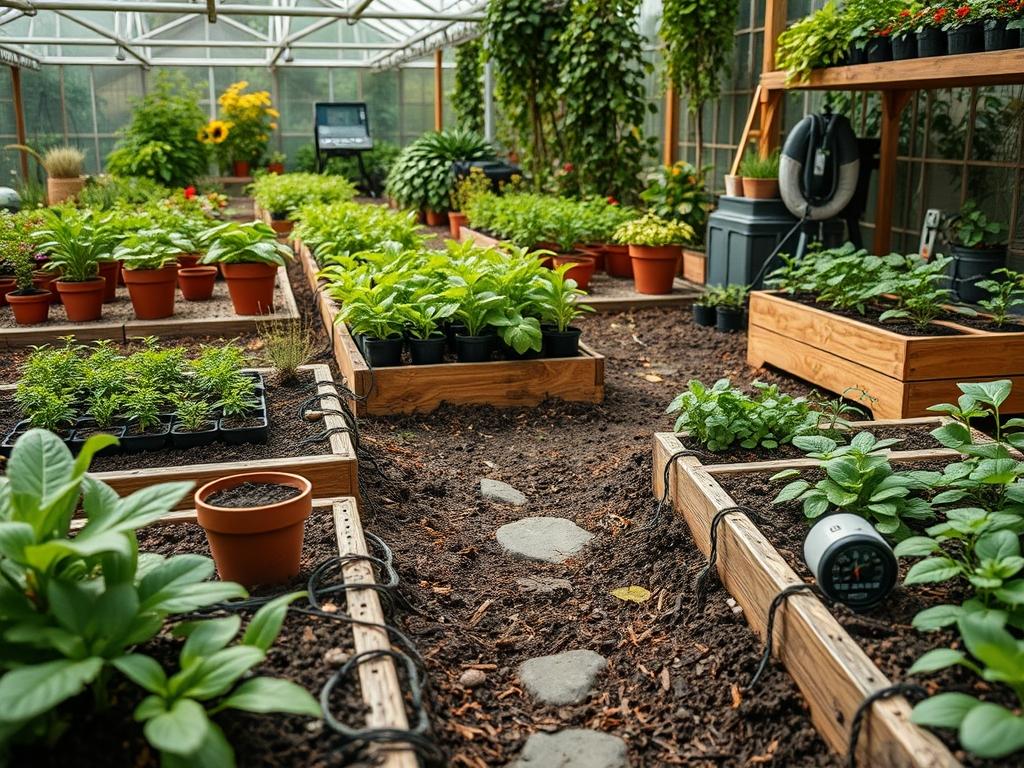
The transition from traditional gardening to sophisticated landscape management requires a shift in how we perceive the environment. In the past, property owners relied on visual cues or anecdotal evidence to determine the health of their vegetation. If a leaf wilted, it was watered; if a lawn turned yellow, it was fertilized. However, modern outdoor environment consultancy now leverages Smart Garden Sensor Analytics to remove the guesswork from these equations. This data-driven approach allows for the precise tracking of environmental trends, ensuring that your curb appeal remains consistent regardless of shifting climate patterns. Efficient landscaping is no longer just about aesthetics; it is about the integration of technology and biology to create a sustainable, high-performing ecosystem. By monitoring soil moisture, light intensity, and nutrient levels in real time, we can anticipate problems before they manifest physically. This proactive strategy protects the significant investment made in high-value specimens and hardscaping.
Landscape Design Principles
Professional landscape design is built upon the foundational concepts of symmetry, focal points, and elevation layers. When I approach a new site, my primary objective is to create a visual balance that guides the eye naturally through the space. Symmetry provides a sense of formality and order, often achieved through mirrored plantings or geometric retaining walls. Focal points, such as a large Acer palmatum or a bespoke stone fountain, serve as the anchors of the design. These elements require specific environmental conditions to thrive, which is where Smart Garden Sensor Analytics become indispensable. By placing sensors at the base of these focal points, we can ensure they receive the exact parameters required for their survival.
Elevation layers add depth and interest to a flat lot. Using 3-inch mulch beds to define height and incorporating 6-inch risers for walkways creates a sense of movement. Irrigation planning must account for these changes in elevation, as water naturally migrates to the lowest points of the property. Sensors placed at various topographical levels help identify areas of saturation versus areas of dehydration. This data allows for the calibration of a smart irrigation system that delivers water precisely where it is needed. Furthermore, the placement of pavers and natural stone walkways must integrate with the drainage plan to prevent pooling. A well-designed landscape remains functional even during heavy rainfall, thanks to sub-surface drainage systems that are monitored for efficiency.
Plant and Material Selection
Selecting the right plant material is the most critical decision in any landscape project. We must match the physiological needs of the plant with the microclimate of the site. The following table outlines several popular choices and their specific requirements.
| Plant Type | Sun Exposure | Soil Needs | Water Demand | Growth Speed | Maintenance |
| :— | :— | :— | :— | :— | :— |
| Buxus sempervirens | Full Sun to Part Shade | Well-drained, Loamy | Moderate | Slow | High (Pruning) |
| Lavandula angustifolia | Full Sun | Gritty, Alkaline | Low | Medium | Low |
| Hydrangea macrophylla | Part Shade | Rich, Moist | High | Fast | Medium |
| Panicum virgatum | Full Sun | Adaptable/Sandy | Low to Moderate | Fast | Low |
| Echinacea purpurea | Full Sun | Well-drained | Moderate | Medium | Low |
When utilizing Smart Garden Sensor Analytics, we can create custom alerts for each of these species. For example, the Hydrangea macrophylla is particularly sensitive to soil moisture fluctuations. A sensor can trigger a notification if the volumetric water content drops below a specific percentage, preventing the plant from entering a stress state. Conversely, for drought-tolerant species like Lavandula, sensors ensure that the soil remains dry enough to prevent root rot.
Implementation Strategy
The successful implementation of a landscape plan begins with proper site preparation. First, we must address grading. The ground must slope away from the home at a minimum of 2 percent grade to ensure that water does not accumulate near the foundation. Once the grade is established, we lay out the primary hardscaping elements, such as flagstone patios or timber retaining walls. These structures provide the “bones” of the garden and should be installed before any plant material goes into the ground.
Next, we establish the irrigation zones. Using HDPE piping and pressure-compensating emitters, we build a system that can be modulated based on sensor feedback. After the infrastructure is hidden beneath the soil, we begin the planting process. When installing trees or large shrubs, the hole should be twice as wide as the root ball but no deeper. This prevents the plant from settling too deep, which can suffocate the roots.
Once the plants are in place, we apply a consistent layer of organic hardwood mulch. A depth of 3 inches is ideal for moisture retention and weed suppression, but it is vital to keep the mulch away from the direct trunks of trees to prevent bark decay. Finally, we install the sensors at varying depths throughout the root zones. These devices are linked to a central hub, allowing us to track long-term trends in soil temperature and conductivity. This data becomes the blueprint for future maintenance, showing us exactly how the landscape responds to different weather patterns.
Common Landscaping Failures
The most frequent failure in residential landscaping is poor drainage. Without a clear path for runoff, water becomes trapped, leading to soil compaction and anaerobic conditions. This literally drowns the roots of the plants, as they can no longer access the oxygen required for respiration. Another common mistake is root overcrowding. Homeowners often plant for immediate impact, placing specimens too close together. As these plants mature, they compete for the same limited resources, leading to stunted growth and increased susceptibility to pests.
Improper spacing also affects air circulation, which can lead to fungal outbreaks in humid climates. Smart Garden Sensor Analytics can help mitigate this by monitoring ambient humidity and leaf wetness. If the data shows prolonged periods of moisture on the foliage, we can adjust our hedgetrimmers to thin out the canopy and improve airflow. Additionally, many people fail to account for the ultimate size of a tree, leading to foundation damage or interference with overhead power lines. Always research the mature spread and height of a species before digging. Lastly, over-irrigation is a massive waste of resources and a primary cause of plant death. Sensors provide the empirical evidence needed to stop the “more is better” approach to watering.
Seasonal Maintenance
Landscape management is a year-round commitment that changes with the seasons. In the spring, the focus is on rejuvenation. We use power aerators to relieve soil compaction and apply a pre-emergent herbicide to prevent weed seeds from germinating. This is also the time to test the Smart Garden Sensor Analytics equipment, replacing batteries and calibrating probes to ensure accuracy for the growing season.
Summer maintenance revolves around water management and heat stress mitigation. We monitor the sensors daily during heatwaves, adjusting irrigation cycles to the early morning hours to minimize evaporation. Deadheading spent blooms with stainless steel bypass pruners encourages a second flush of flowers. In the autumn, the priority shifts to cleanup and preparation for dormancy. We clear fallen leaves to prevent them from smothering the turf and apply a slow-release fertilizer to promote winter root development.
Winter is a time for structural pruning and hardscaping inspections. We prune deciduous trees while they are dormant to shape their growth and remove dead wood. We also monitor the sensors for soil freezing depths, which helps us understand how the root systems of more delicate species are faring. By keeping a digital log of these seasonal trends year after year, we can refine our landscaping strategy to be more resilient and efficient.
Professional Landscaping FAQ
How do smart sensors improve plant longevity?
Smart sensors provide real-time data on soil moisture and nutrient levels. This allows property owners to address stressors before they cause permanent damage. By maintaining optimal conditions, plants grow stronger and live significantly longer.
What is the ideal mulch depth for a new garden?
A depth of 3 inches is generally recommended for moisture retention and weed control. You must ensure the mulch does not touch the base of your plants or trees. This prevents moisture-related rot and pest infestations.
How does poor grading affect my landscape?
Improper grading leads to water pooling near the foundation or in planting beds. This causes soil compaction and root rot. Professional grading ensures runoff moves toward designated drainage areas or French drains, protecting your property.
Can I use sensors to reduce my water bill?
Yes, Smart Garden Sensor Analytics prevent over-watering by only triggering irrigation when the soil is actually dry. Most users see a significant reduction in water consumption. This approach is both environmentally friendly and cost-effective.
When is the best time to prune my shrubs?
Most flowering shrubs should be pruned immediately after their bloom cycle finishes. Non-flowering evergreens are best pruned in late winter or early spring before new growth begins. Always use sharp, sterilized hand shears for clean cuts.