
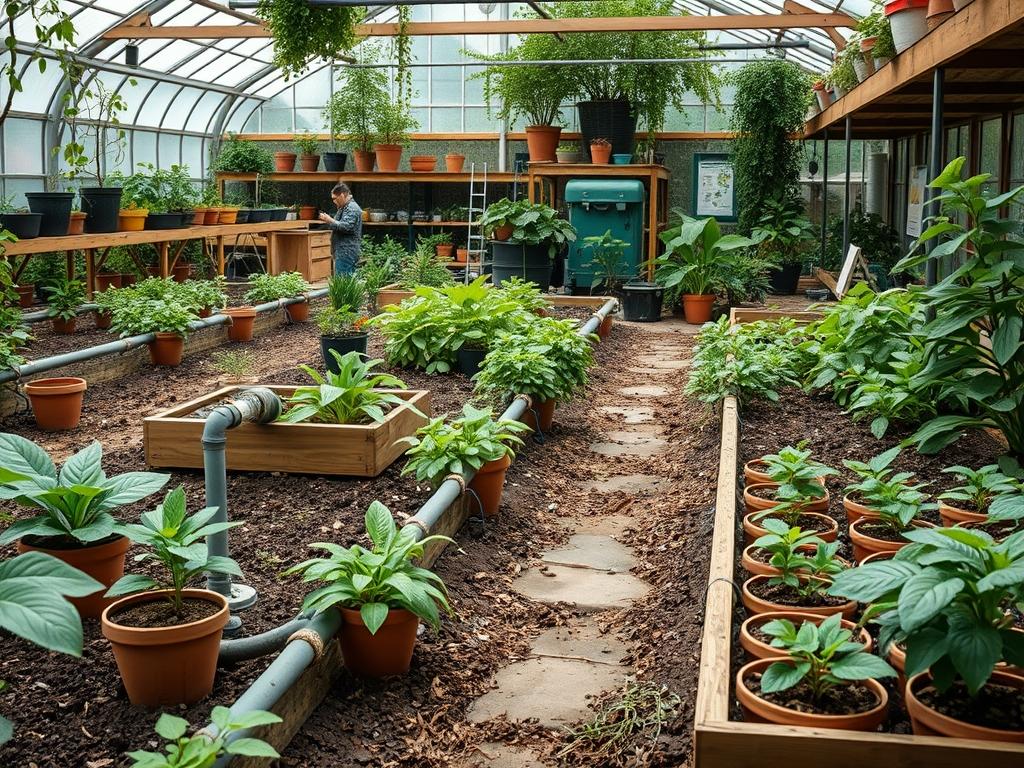
Developing a sophisticated landscape requires a delicate balance between aesthetic ambition and technical precision. Modern outdoor environments are no longer just collections of flora; they are high performance ecosystems powered by complex hydraulic networks. When we integrate technology into the soil, Smart Irrigation Pipe Safety becomes the primary concern for any long term investment. High pressure systems allow for expansive coverage and precise water delivery, yet they introduce significant mechanical stresses that can undermine curb appeal if not managed correctly. A single line failure can saturate a foundation or wash away expensive Hardwood Mulch, turning a pristine focal point into a costly repair project. Professional landscape management starts with understanding that the water moving beneath the surface is just as important as the blossoms above it. We must design for resilience, ensuring that the infrastructure supporting our Native Plants can withstand the fluctuations of climate and the rigors of high velocity water flow.
Landscape Design Principles
Symmetry and visual balance are the hallmarks of a well designed estate, but these elements rely heavily on the invisible infrastructure of the irrigation grid. When planning a layout, a landscape architect must consider how elevation changes affect the internal pressure of the delivery lines. A property with significant slope requires careful zoning to prevent low head drainage, where water collects at the bottom of the system after a cycle ends. This is where Smart Irrigation Pipe Safety intersects with design logic. By using Pressure Regulating Valves at specific elevation intervals, we ensure that every Hybrid Tea Rose or Boxwood Hedge receives the exact volume of water it needs without overstressing the pipes.
Focal points like large specimen trees or custom water features should be positioned away from primary high pressure trunk lines. This separation prevents root intrusion from damaging the Schedule 40 PVC or High-Density Polyethylene (HDPE) piping. Furthermore, walkways and paths should be designed with sleeve conduits. By installing 3 Inch PVC Sleeves under Paver Stones or Concrete Walkways during the initial grading, we allow for future pipe maintenance without the need to destroy expensive hardscaping. This foresight maintains the visual integrity of the landscape while providing a safe, accessible route for high pressure lines. Visual balance is achieved when the mechanical components of the garden are entirely hidden, yet perform with perfect reliability.
Plant and Material Selection
The success of a landscape is often determined by how well the selected species match the hydraulic capabilities of the irrigation system. Grouping plants by their water requirements, a practice known as hydrozoning, is essential for efficiency and safety.
| Plant Type | Sun Exposure | Soil Needs | Water Demand | Growth Speed | Maintenance Level |
| :— | :— | :— | :— | :— | :— |
| Dwarf Fountain Grass | Full Sun | Well-drained | Low | Fast | Minimal |
| Japanese Maple | Partial Shade | Loamy/Acidic | Moderate | Slow | Medium |
| Hydrangea Macrophylla | Morning Sun | Rich/Moist | High | Moderate | High |
| Blue Rug Juniper | Full Sun | Sandy/Rocky | Very Low | Slow | Low |
| English Ivy | Shade | Versatile | Moderate | Aggressive | High |
| Crepe Myrtle | Full Sun | Clay/Loam | Moderate | Fast | Low |
Selecting the right materials extends beyond the plants. For high pressure environments, using Constant Pressure Pumps and Smart Flow Sensors is mandatory. These tools detect micro-leaks that might indicate a pipe is nearing its burst threshold. When the sensor detects an unusual spike in flow, the Smart Controller immediately shuts down the master valve, preventing a catastrophic washout of your River Rock or Organic Compost.
Implementation Strategy
The transition from a blueprint to a living garden requires a disciplined implementation phase. The first step involves precise grading. A site must be leveled or sloped away from structures to ensure that any accidental water discharge from the irrigation system follows the path of the French Drain rather than the basement wall. Once grading is complete, trenching begins. High pressure lines should be buried at a minimum depth of 18 Inches to protect them from aeration tools, shovels, and fluctuating ground temperatures.
Before the pipes are even connected to the Spray Heads or Drip Emitters, a static pressure test is performed. This involves sealing the system and pressurizing it to 80 PSI for several hours. This step is the cornerstone of Smart Irrigation Pipe Safety; it identifies weak joints or faulty Solvent Weld connections before the trenches are backfilled with Topsoil. After the test, the pipes are cushioned with a layer of sand to prevent sharp rocks from puncturing the walls during soil compaction. Only after these safety measures are met do we install the Steel Edging and finish the beds with a 3 Inch Layer of Mulch. This layered approach ensures that the garden is built on a foundation of mechanical integrity.
Common Landscaping Failures
The most frequent failures in high pressure landscapes stem from a lack of respect for the power of moving water. One common mistake is the “water hammer” effect, which occurs when a valve closes too quickly and sends a shockwave through the system. Without Water Hammer Arrestors, this surge can shatter Lateral Lines or blow off Fittings. Another failure point is improper plant spacing. When a fast growing Willow Tree is planted too close to a main line, its aggressive root system will eventually crush or penetrate the pipe, seeking the moisture within.
Soil compaction is also a silent killer of irrigation safety. In areas with high foot traffic or heavy machinery use, the soil becomes dense, exerting external pressure on buried pipes that leads to cracks. Finally, failing to install a Backflow Preventer is a critical error. This safety device ensures that the high pressure water in your irrigation lines cannot flow back into the clean domestic water supply, protecting the health of the household and ensuring compliance with local building codes.
Seasonal Maintenance
A landscape is a living entity that changes with the seasons, and the irrigation system must be adapted accordingly. In the spring, the focus is on a “soft start.” After months of dormancy, the lines should be flushed at low pressure to clear out any sediment or biological growth that may have accumulated. Filters in the Smart Valve Box must be cleaned to ensure that particles do not clog the Rotary Nozzles, which would cause back pressure to build up in the pipes.
Summer demands constant monitoring of the Smart Controller data. High temperatures cause the soil to shrink and expand, which can shift the position of underground pipes. Autumn is the time for preventative inspections. Check the height of all Pop-up Sprinklers to ensure they have not been buried by falling leaves or mulching activities. Finally, winterization is the most critical phase for Smart Irrigation Pipe Safety. In colder climates, an Air Compressor is used to blow all remaining water out of the lines. Even a small amount of trapped water can freeze, expand, and shatter a high pressure pipe, leading to a disastrous spring startup.
Professional Landscaping FAQ
Why is a master valve important for pipe safety?
A master valve acts as a primary fail-safe. It remains closed unless the system is actively watering, ensuring that the main lateral lines are not under constant high pressure, which significantly reduces the risk of long term leaks or bursts.
How deep should smart irrigation pipes be buried?
Main lines should be buried at least 12 to 18 Inches deep. This depth protects the infrastructure from surface impacts, garden tools, and thermal expansion while providing enough soil cover to dampen the vibrations of high pressure water flow.
What causes most high-pressure pipe bursts?
Most bursts are caused by water hammer or poor joint welding. When valves snap shut, the momentum of the water creates a pressure spike. Without proper Pressure Regulators or Surge Arrestors, these spikes eventually fatigue the pipe material until it fails.
Can smart sensors prevent landscape erosion?
Yes. Smart Flow Sensors detect when a pipe has ruptured by monitoring for excessive water movement. By automatically shutting off the water source, they prevent the localized flooding and soil erosion that would otherwise destroy your flower beds and turf.
Should I use PVC or HDPE for high-pressure lines?
Schedule 40 PVC is excellent for rigid, permanent installations in stable soil. However, HDPE is often preferred for its flexibility in shifting soils or environments with extreme temperature swings, as it can expand slightly without cracking under pressure.