
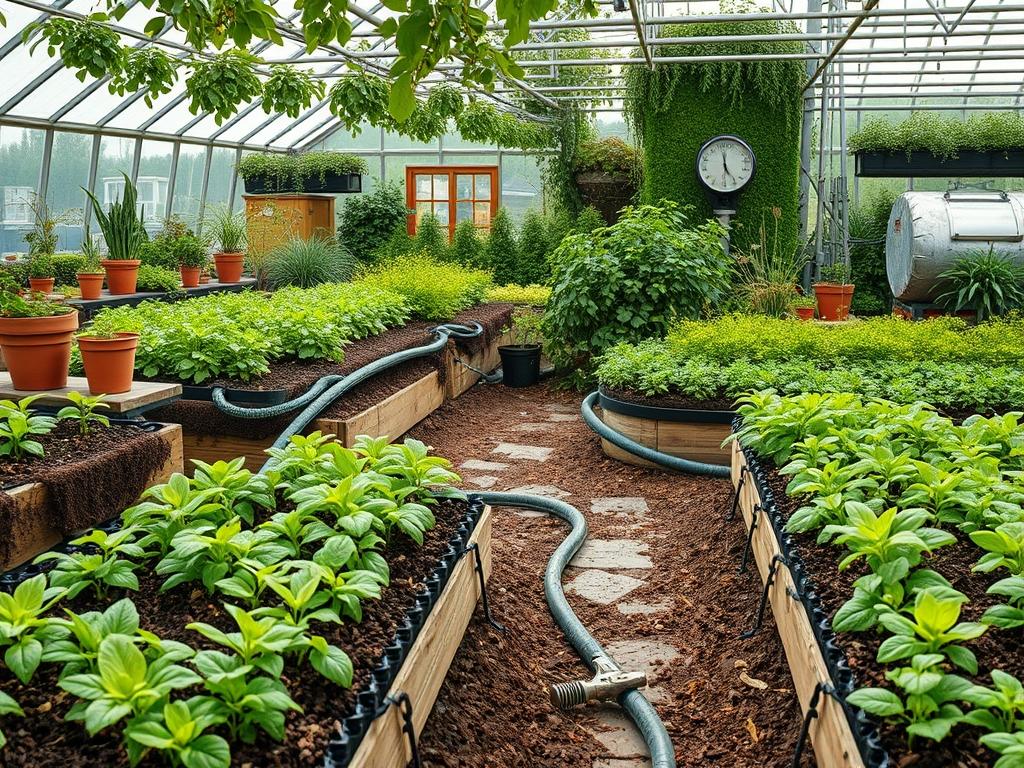
Maintaining a high-end landscape requires a delicate balance between aesthetic perfection and ecological resilience. Often, the most significant threat to a meticulously planned garden is not the climate or soil quality, but the local wildlife that views expensive nursery stock as a primary food source. Traditional methods of animal exclusion, such as high-tensile wire or tall wooden barriers, frequently clash with the design goals of a modern estate. These physical obstructions can disrupt sightlines, diminish curb appeal, and create a sense of enclosure that contradicts the expansive feel many homeowners desire. Automated pest fencing offers a sophisticated alternative by utilizing sensors to detect and deter intruders through non-lethal, invisible means. This technology integrates seamlessly into the broader landscape architecture, allowing for the protection of delicate foliage without sacrificing the visual integrity of the outdoor environment. By understanding how these sensor-based systems interact with the site’s topography and plant life, a landscape architect can design a space that is both beautiful and secure from foraging pests.
Landscape Design Principles
Effective landscape design relies on the core concepts of symmetry, focal points, and elevation layers to guide the eye and create a sense of order. When incorporating automated pest fencing, the designer must consider the “detection zone” as a functional layer in the site plan. Symmetry is typically achieved through the placement of Evergreen Shrubs or Natural Stone Pavers, but it also requires that the protection system be equally balanced across the property. If one side of a garden is heavily protected while the other is neglected, wildlife will simply find the path of least resistance. Visual balance is maintained when sensors are tucked discreetly into the foliage or behind Retaining Walls, ensuring that the high-tech components do not distract from the natural beauty of the space.
Focal points, such as a large Specimen Tree or a custom Water Feature, are often the most expensive investments in a landscape. These areas require high-definition sensor coverage to trigger deterrents immediately upon an animal’s approach. Elevation layers also play a critical role in sensor effectiveness. For example, a garden with significant grade changes may require sensors at multiple heights to account for animals moving up or down a slope. By layering the landscape with Groundcovers, Mid-story Perennials, and an Overstory Canopy, the architect creates a complex environment that requires a strategic approach to sensor placement. This ensures that a rabbit at ground level and a deer browsing at six feet are both detected with equal precision.
Plant and Material Selection
| Plant Type | Sun Exposure | Soil Needs | Water Demand | Growth Speed | Maintenance Level |
| :— | :— | :— | :— | :— | :— |
| Boxwood (Buxus) | Full Sun to Shade | Well-Drained | Moderate | Slow | Low |
| Japanese Maple | Partial Shade | Acidic, Loamy | Occasional | Moderate | Medium |
| Purple Coneflower | Full Sun | Poor to Average | Low (Drought Tolerant) | Fast | Low |
| Creeping Thyme | Full Sun | Sandy, Gritty | Very Low | Moderate | Low |
| Limelight Hydrangea| Full to Part Sun | Rich, Moist | High | Fast | Medium |
| Fountain Grass | Full Sun | Variety | Low | Fast | Low |
The choice of materials is just as vital as the plants themselves. Using Crushed Granite or River Rock for drainage channels not only serves a functional purpose but also provides a stable base for mounting sensor equipment. Hardscape elements like Flagstone walkways should be planned in conjunction with the wiring or wireless relay stations used by the automated pest fencing system. Selecting Native Plants can reduce the overall water demand and maintenance, but since many natives are still attractive to wildlife, the sensor-based defense remains a critical component of the long-term survival of the garden.
Implementation Strategy
The successful implementation of a garden layout begins with professional grading. A primary goal is to ensure a 2 percent minimum slope away from the home foundation to prevent water pooling. Once the grade is established, the installation of 4-inch perforated drain pipe encased in filter fabric ensures that moisture does not interfere with the sensitive electronic components of the automated pest fencing. The next step is the installation of hardscaping. Steel Edging or Belgium Block should be used to define the borders of the planting beds, creating a clear line that sensors can monitor.
When placing the automated units, the sensors should be positioned at a height of 18 inches for small game or 36 inches for larger intruders like deer. It is essential to clear any dense Mulch or low-hanging branches from the immediate front of the sensor to prevent false triggers during high winds. Once the hardware is set, a 3-inch layer of Organic Cedar Mulch should be applied to the beds to retain moisture and suppress weeds. This mulch also helps camouflage the bases of the sensor stakes, making the technology appear as a natural part of the garden. Finally, the irrigation system should be calibrated so that Mist Heads do not spray directly onto the sensor lenses, which could cause mineral buildup and reduce the device’s detection range.
Common Landscaping Failures
One of the most frequent mistakes in professional landscaping is improper drainage. When water accumulates in planting beds, it leads to Root Rot and can eventually short-circuit ground-mounted electronic deterrents. Soil compaction is another common issue, often caused by heavy machinery during the construction phase. Compacted soil prevents deep root growth and makes it difficult to install the sturdy stakes required for pest fencing. To avoid this, a Power Auger should be used to loosen the soil before planting or installing equipment.
Root overcrowding occurs when Perennials are spaced too closely during the initial installation. While this provides an “instant” full look, it leads to resource competition and allows pests to hide more easily within the dense foliage. Proper spacing based on the plant’s mature width is essential for both health and surveillance. Furthermore, many homeowners fail to account for the “blind spots” created by large Boulders or Garden Sheds. If a sensor cannot see through an object, wildlife will use that object as a shield to move through the garden undetected. A comprehensive site survey using a Transit Level or laser line can help identify these gaps in coverage before the final installation.
Seasonal Maintenance
Spring is the time for a system diagnostic. Check all sensor batteries and clean the lenses with a Microfiber Cloth to remove winter grime. Prune back any Ornamental Grasses that have died back to ensure they do not blow in front of the sensors and trigger false alarms. As the soil thaws, check the stability of Retaining Walls and ensure that Heaving has not displaced any underground wiring.
Summer maintenance focuses on irrigation and growth management. For gardens using water-based deterrents, check the Water Pressure levels to ensure the spray reaches its intended target. High temperatures may require an increase in Irrigation Frequency, but be careful not to create overly humid microclimates that encourage fungal growth. Trim back fast-growing plants like Vines or Honeysuckle that might obstruct the sensor’s field of vision.
In the Autumn, gardeners should focus on leaf removal and soil preparation. Excessive leaf litter can clog French Drains and bury ground-level sensors. Applying a fresh 1-inch layer of compost or specialized Soil Amendments will prepare the plants for dormancy. This is also the time to adjust the sensitivity of the automated pest fencing, as wildlife becomes more aggressive in their foraging habits as winter approaches.
Winter care involves protecting the technology from extreme cold and heavy snow. If sensors are not rated for sub-zero temperatures, they should be brought indoors. For year-round systems, ensure that snow is cleared away from the sensor face after every storm. Use a Plastic Shovel to avoid scratching the equipment or damaging the Stone Coping on nearby walls.
Professional Landscaping FAQ
How does automated pest fencing differ from electric fencing?
Automated fencing uses sensors to trigger localized deterrents like sound or water. Unlike electric fences, they do not require high-voltage wires or physical contact, making them safer for pets and humans while preserving the natural aesthetics of the landscape.
Can sensors distinguish between a pet and a wild animal?
Advanced systems utilize heat signatures and motion patterns to minimize false triggers. While they may detect any movement, placing sensors at specific heights or using adjustable sensitivity settings helps distinguish between a small family dog and a foraging deer or rabbit.
Do these systems work in heavy rain or fog?
Most professional-grade sensors use passive infrared technology or ultrasonic waves that function through light rain and mist. However, extremely dense fog or torrential downpours may temporarily reduce the detection range, requiring occasional manual oversight during severe weather events.
What is the best way to hide sensors in a formal garden?
Place sensors within the shadows of Boxwood hedges or behind Decorative Urns. If the garden uses Landscape Lighting, sensors can often be integrated into the same housing or hidden near the base of Low-Voltage Path Lights for a cohesive look.
How much maintenance do sensor-based deterrents require?
Minimal maintenance is needed beyond seasonal battery checks and lens cleaning. Regularly pruning the surrounding Foliage to prevent branches from blocking the sensor’s “line of sight” is the most important task to ensure the system remains consistently effective year-round.