
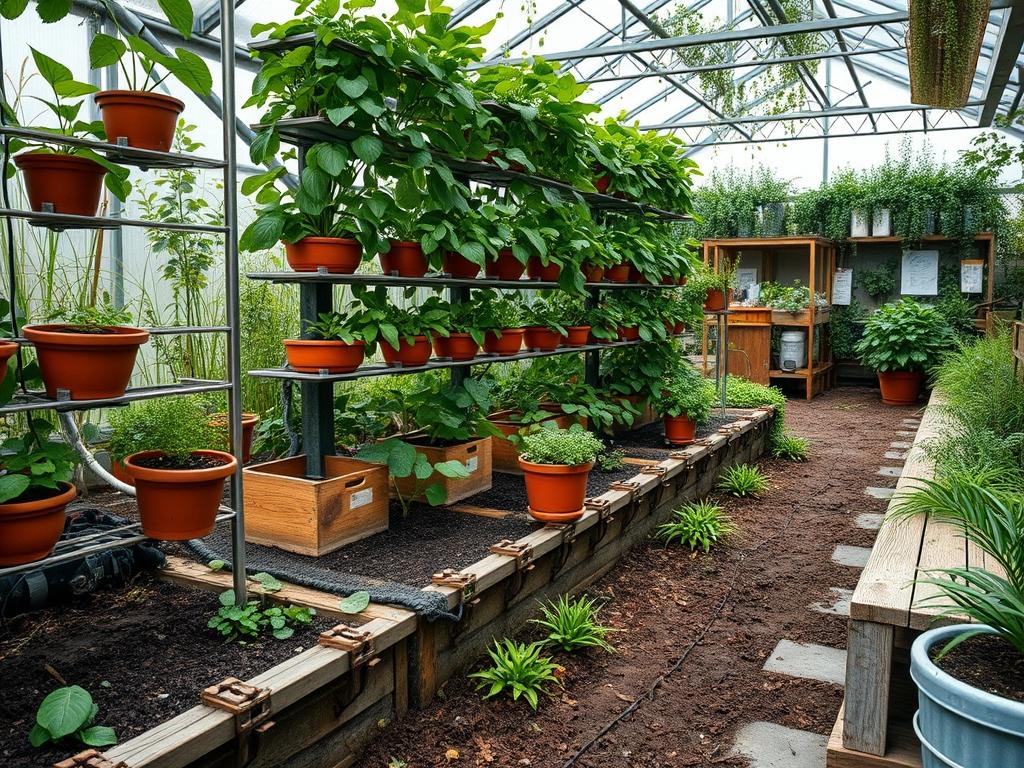
The modern porch serves as a critical threshold between the private sanctuary of the home and the public rhythm of the neighborhood. This transitional space often suffers from a lack of square footage, leaving many homeowners to choose between functional seating and vibrant greenery. Traditional container gardening frequently fails in these environments because the high evaporation rates on windswept porches require constant manual intervention. Automated Vertical Planting solves this spatial and maintenance dilemma by utilizing the vertical plane, turning walls into living tapestries that regulate temperature, provide privacy, and enhance curb appeal without the daily chore of a watering can. As a senior landscape architect, I view the transition to automated systems not merely as a convenience but as a fundamental shift in how we integrate nature into the built environment.
Designing a high performance vertical garden on a porch requires a deep understanding of microclimates and structural integrity. Unlike a traditional backyard garden bed, a vertical installation must account for the specific wind tunnels created by house corners and the reflective heat of siding materials. A successful project begins with an architectural assessment of the site, ensuring that the selected wall or railing can support the saturated weight of the system. We prioritize a design that balances aesthetics with functional longevity, focusing on how the vertical elements intersect with the existing hardscape to create a cohesive outdoor living experience.
Landscape Design Principles
Symmetry and focal points are the cornerstones of porch aesthetics. When planning for verticality, we use the rule of thirds to determine the optimal placement of the green wall. For instance, flanking the front door with two narrow, automated towers creates a formal, welcoming entrance. Alternatively, a single expansive living wall can serve as a privacy screen from adjacent neighbors, effectively replacing a static wooden trellis with a dynamic, oxygen producing barrier. Visual balance is achieved by grounding these vertical elements with low profile horizontal features, such as river rock borders or limestone pavers, which provide a sense of stability.
Elevation layers play a vital role in making a small porch feel expansive. By stacking plants vertically, we draw the eye upward, highlighting the height of the ceiling and the architectural detail of the eaves. This verticality should be mirrored in the irrigation planning. A well designed system utilizes a tiered approach where water is delivered to the top row and filtered downward. This mimics natural cliffside ecosystems where moisture moves through gravity. We also consider the transition to walkways, ensuring that any drainage runoff is captured by an integrated French drain or directed into existing garden beds to prevent slippery surfaces on the porch floor.
Plant and Material Selection
The following table provides a selection of species specifically suited for automated vertical environments, categorized by their growth habits and physiological requirements.
| Plant Type | Sun Exposure | Soil Needs | Water Demand | Growth Speed | Maintenance Level |
| :— | :— | :— | :— | :— | :— |
| Boston Fern | Part Shade | Peat-based | High | Fast | Moderate |
| Heuchera | Shade to Sun | Well-drained | Medium | Moderate | Low |
| Creeping Jenny | Full Sun | Moist soil | High | Very Fast | Low |
| Pothos | Deep Shade | Aerated mix | Low | Fast | Very Low |
| Petunia | Full Sun | Nutrient-rich | High | Moderate | High |
| Lettuce | Partial Sun | Loose loamy | Medium | Fast | Moderate |
| Blue Star Creeper | Full Sun | Sandy loam | Medium | Moderate | Low |
Material selection for the support structure is equally important. For long-term durability, we recommend powder-coated aluminum frames or high-density polyethylene modules. These materials resist the rot and corrosion that typically plague wooden planters in high-moisture vertical configurations. The growing medium should be a specialized soilless mix containing perlite, vermiculite, and coconut coir to ensure maximum aeration and prevent the compaction that often leads to root rot in vertical pockets.
Implementation Strategy
The successful deployment of an automated porch garden begins with a rigorous site preparation. This starts with grading the area immediately beneath the vertical installation. Even though the plants are on the wall, water management at the base is crucial. We install a moisture barrier between the planting system and the home’s exterior to prevent humidity from penetrating the siding. Next, we secure the vertical rails using stainless steel lag bolts, ensuring they are anchored into the wall studs. For the irrigation backbone, we specify 1/2-inch poly tubing hidden behind the structural components to maintain a clean aesthetic.
Once the framework is secure, the automation hardware is installed. This includes a smart Wi-Fi controller connected to a solenoid valve, which allows for precision scheduling via a smartphone. We integrate soil moisture sensors or tensiometers into the middle row of the vertical system to provide real-time data to the controller. This prevents the common mistake of over-watering during humid periods. The final step involves the application of a liquid fertilizer injector or fertigation system into the main water line. This ensures that the plants receive a consistent, diluted supply of nutrients, which is necessary because the limited soil volume in vertical pockets can be quickly depleted.
Common Landscaping Failures
The most frequent failure in automated vertical planting is a lack of adequate drainage. Many novice installers treat a vertical wall like a series of stacked pots, forgetting that the bottom plants may become waterlogged while the top plants remain dry. This is known as the “perched water table” effect. To combat this, we use geotextile liners that allow for lateral water movement while containing the soil. Another common pitfall is improper plant spacing. It is tempting to pack a living wall tightly for instant impact, but overcrowding leads to poor air circulation and the rapid spread of powdery mildew or pest infestations.
Soil compaction is another silent killer. Over time, the weight of the water and the force of gravity compress standard potting soils, squeezing out the oxygen pockets required for root respiration. Using a non-compacting substrate and flushing the system regularly to remove salt buildup from fertilizers can mitigate this risk. Finally, many homeowners neglect the light requirements of their plants. A porch that receives bright morning sun but deep afternoon shade requires a mix of species that can tolerate fluctuating light levels. Placing a sun-loving plant at the top where the eave might cast a shadow for half the day is a recipe for leggy, unattractive growth.
Seasonal Maintenance
Landscape management is a year-round commitment, even with automation. In the spring, the primary focus is on system calibration. We inspect all drip emitters for mineral clogs and replace the batteries in the moisture sensors. This is also the time to prune any frost-damaged foliage and apply a fresh layer of organic mulch to the base of the structure if there are ground-level plantings. During the summer, the automated schedule must be adjusted to account for higher transpiration rates. We often increase the frequency of watering cycles but decrease the duration to keep the root zones consistently damp without causing runoff.
Autumn is the season for nutrient adjustment. As plant metabolisms slow down, we reduce the fertigation frequency to prevent the accumulation of unused salts in the soil. For perennial species, this is the time to head-back long vines to encourage a bushier habit in the coming year. When winter approaches, the automated system must be winterized to prevent burst pipes. This involves blowing out the lines with compressed air and disconnecting the automatic timer from the outdoor faucet. In colder climates, we suggest moving sensitive modules indoors or wrapping the vertical structure in burlap or frost blankets to protect the root systems from extreme temperature swings.
Professional Landscaping FAQ
How much weight does a vertical garden add to my porch wall?
A fully saturated vertical system can weigh between 10 and 15 pounds per square foot. It is essential to verify that your wall structure and lag bolt attachments can support this dead load before beginning the installation process.
Can I run an automated vertical garden without a permanent water line?
Yes, you can use a recirculating system. This involves a submersible pump placed in a decorative reservoir at the base. The pump cycles water to the top of the wall, and gravity returns it to the basin for reuse.
Do these systems attract mosquitoes to my porch area?
Automated systems actually reduce mosquito risks compared to traditional pots with saucers. Since the water is moving or contained within pipes and moisture-wicking fabrics, there is no stagnant water for larvae to develop.
What happens to the system during a power outage?
Most modern smart controllers have battery backups to retain your programming. However, the solenoid valve requires power to open. For extended outages, you should have a manual bypass valve installed to allow for traditional hose watering.
How often should I replace the growing medium in the modules?
In a well-managed system using soilless substrates, you should only need to refresh the media every 3 to 5 years. You can extend this lifespan by avoiding heavy organic soils and using filtered water to prevent mineral buildup.