
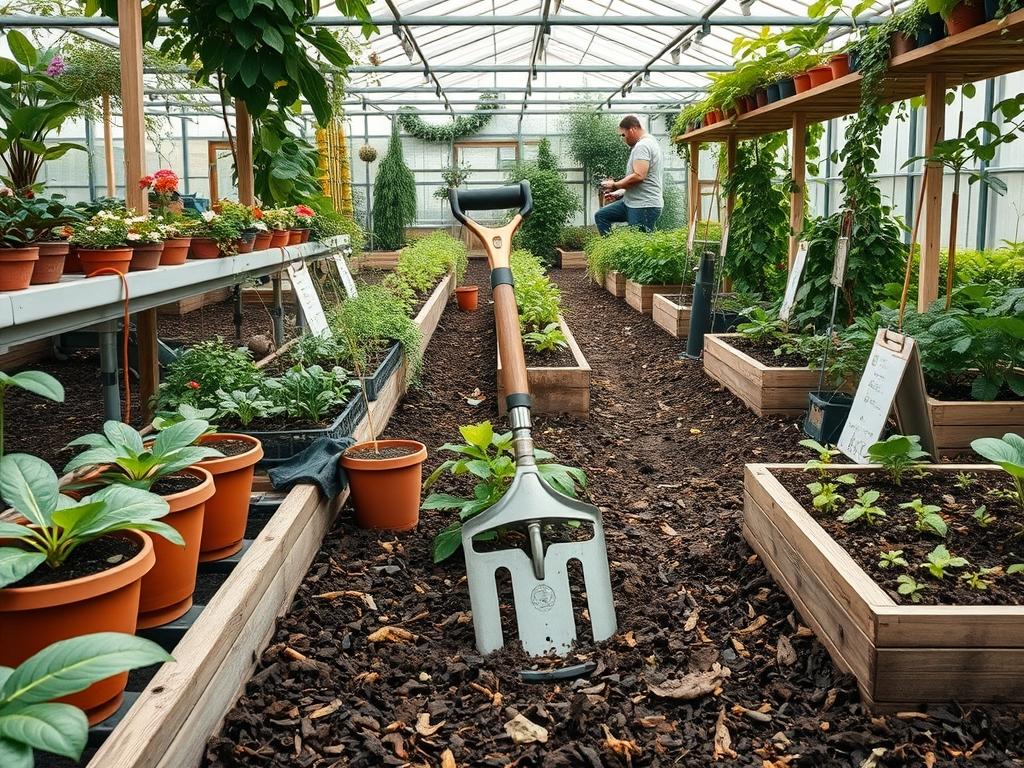
Modern landscaping has evolved from a series of manual chores into a sophisticated synchronization of technology and horticulture. Maintaining a sprawling estate or even a modest suburban lot requires more than just occasional labor; it demands a systematic approach to infrastructure management. As landscape architects, we recognize that the health of an outdoor environment is directly linked to the precision of the implements used to shape it. When tools are neglected, they tear plant tissue rather than slicing it cleanly, which invites pathogens and stress. This is where the integration of digital tracking becomes essential. Utilizing dedicated applications for Smart Garden Tool Maintenance allows homeowners to bridge the gap between architectural intent and long-term viability. By automating service alerts for Robot Mowers, Electric Hedge Trimmers, and Smart Sprinkler Controllers, we ensure the landscape remains a functional extension of the home rather than a deteriorating asset.
The transition to technology-driven maintenance is driven by the need for peak performance in diverse climate conditions. Whether managing the humidity of the Southeast or the arid cycles of the West, the mechanical readiness of your fleet determines your success. High-quality Smart Garden Tool Maintenance involves tracking the run-time of Lithium-Ion Batteries, monitoring the sharpness of Carbide-Tipped Blades, and ensuring that Firmware Updates are applied to autonomous systems. When an app pings your smartphone to indicate that it is time for a Blade Sharpening after 50 hours of operation, it eliminates the guesswork that often leads to ragged lawn edges or uneven shrub silhouettes. This level of foresight preserves the curb appeal that defines a professional-grade landscape design.
Landscape Design Principles
A successful landscape relies on foundational principles such as symmetry and focal points to guide the viewer eyes through the space. Symmetry provides a sense of formal order, often achieved through mirrored plantings of Boxwood or the balanced placement of Retaining Walls. However, maintaining this balance requires a high degree of precision. If a String Trimmer or Edger is not performing at its peak due to a lack of regular Smart Garden Tool Maintenance, the crisp lines required for formal symmetry will begin to blur. Focal points, like a central water feature or a specimen Japanese Maple, act as the anchor of the design. These areas often require specialized tools for fine pruning, and keeping these tools calibrated via app-based logs ensures they are always ready for delicate tasks.
Elevation layers constitute another critical design pillar. By using varied heights, from ground covers to mid-level perennials and soaring canopy trees, we create visual depth. Achieving this layered look requires tools that can reach different heights safely and efficiently. Pole Saws and telescopic Hedge Shears must have their joints lubricated and their chains tensioned according to strict schedules. Furthermore, the integration of Irrigation Planning into the initial design phase allows for better resource management. When smart sensors are connected to a central hub, they provide data on soil moisture levels, which can then be used to adjust the maintenance cycles of the tools themselves, such as delaying a mow if the soil is too saturated to support the weight of the equipment.
Plant and Material Selection
Selecting the right materials is as much about maintenance as it is about aesthetics. The following table provides a breakdown of common plants used in modern professional landscapes and their associated requirements.
| Plant Type | Sun Exposure | Soil Needs | Water Demand | Growth Speed | Maintenance Level |
| :— | :— | :— | :— | :— | :— |
| Kentucky Bluegrass | Full Sun | Loamy/Well-Drained | High | Fast | High |
| Lavender | Full Sun | Gritty/Sandy | Low | Medium | Low |
| Hostas | Partial Shade | Rich/Moisture Retentive | Medium | Medium | Low |
| Dwarf Alberta Spruce | Full to Part Sun | Slightly Acidic | Medium | Slow | Moderate |
| Switchgrass | Full Sun | Adaptable/Tolerant | Low | Fast | Minimal |
| Pachysandra | Shade | Moist/Organic | Medium | Slow | Minimal |
When we specify these plants, we also consider the Mulch type used for ground cover. Hardwood Mulch or Pine Bark Nuggets provide different drainage profiles. For example, a heavy application of Mulch can sometimes interfere with the sensors of a robotic mower, making current Smart Garden Tool Maintenance logs even more vital. If the app detects an unusual number of “object detected” errors, it might indicate that the mulch depth has shifted and needs re-leveling.
Implementation Strategy
The implementation of a professional garden layout begins with proper Grading. This ensures that water flows away from the home foundation and toward designated Drainage areas or French Drains. Once the grade is established, the placement of Hardscaping elements like Walkways and Retaining Walls defines the movement through the space. During this phase, it is crucial to install charging stations for smart tools in discreet, weather-protected locations. A dedicated “tool garage” with power access allows Robot Mowers to return to their docks autonomously.
After the structural elements are in place, Edging should be installed to create a permanent barrier between turf and planting beds. This allows for cleaner passes with maintenance equipment. We recommend a Steel Edging or Aluminum Edging strip for maximum durability. When the final layer of Topsoil and Mulch is applied, it should be kept at least 2 inches below the top of the edging to prevent spillover. Throughout this setup, the homeowner should register every piece of powered equipment into their maintenance app. This digital inventory allows for the tracking of Air Filter replacements and Spark Plug checks for gas-powered legacy tools, alongside the digital health checks for newer electric models.
Common Landscaping Failures
One of the most frequent failures in high-end landscapes is improper Drainage. When water pools in low spots, it leads to soil compaction and root rot. From a mechanical standpoint, wet soil is also the enemy of Smart Garden Tool Maintenance. Mowing or trimming in boggy conditions causes mud buildup in the undercarriage of mowers, which can overheat the motor and dull the blades prematurely. Another common error is root overcrowding. When plants are spaced too closely for immediate impact, they eventually compete for nutrients, leading to a decline in health that no amount of maintenance can fix.
Irrigation inefficiencies also rank high on the list of failures. Over-watering not only wastes resources but also encourages shallow root systems that make plants vulnerable to drought. Many homeowners fail to calibrate their Smart Sprinkler Controllers with local weather stations, leading to irrigation cycles running during rainstorms. Similarly, neglecting tool maintenance, such as failing to clean Pruning Shears after use on a diseased plant, can lead to the rapid spread of fungus across the entire garden. Apps that provide “post-use” checklists help prevent these oversights by reminding the user to disinfect blades before storage.
Seasonal Maintenance
Landscape management is a year-round commitment that changes with the tilt of the earth. In the Spring, the focus is on reactivation. This includes sharpening all cutting edges, replacing old Trimmer Line, and flushing the Irrigation System to check for cracked pipes. Smart Garden Tool Maintenance apps are particularly useful here for tracking the age of the fuel in gas-powered tools; stale gas is a primary cause of engine failure in the early season.
During the Summer, the emphasis shifts to monitoring. High heat puts stress on both the plants and the batteries of your smart tools. It is advisable to schedule heavy tasks for the early morning to prevent equipment overheating. In the Autumn, leaf management becomes the priority. Leaf Blowers and Mulching Mowers see heavy use and require frequent Air Filter cleanings to handle the increased dust and debris. Finally, the Winter is the season for deep maintenance and storage. Batteries should be stored in a climate-controlled environment at a 50 percent charge to maximize their lifespan. This is also the time to send professional-grade equipment in for factory servicing, using the data logs collected by your apps during the year to pinpoint any recurring mechanical issues.
Professional Landscaping FAQ
How often should I sharpen my mower blades?
For a standard residential lawn, sharpen blades every 25 to 50 hours of use. Sharp blades prevent jagged cuts that turn grass brown and invite disease. Your Smart Garden Tool Maintenance app can track these hours automatically for you.
Can I use smart apps for manual tools?
Yes. Many apps allow you to create custom entries for manual tools like Loppers or Spades. You can set reminders for annual tasks such as oiling wooden handles or removing rust from steel heads to ensure long-term durability.
What is the best way to manage drainage?
Ensure your landscape is graded at a 2 percent slope away from structures. Incorporate French Drains or Dry Creek Beds in areas where water naturally collects. Proper drainage protects your plants and your expensive outdoor power equipment.
Do smart garden tools work in the rain?
Most high-quality Robot Mowers have rain sensors and will return to their docks during a downpour. It is generally best to avoid maintenance in the rain to prevent soil compaction and to protect the internal circuitry of your electric tools.
Why is native plant selection important?
Native Plants are adapted to your local climate and soil conditions, requiring less supplemental water and fertilizer. This reduces the overall workload on your tools and simplifies your Smart Garden Tool Maintenance schedule significantly over the long term.