
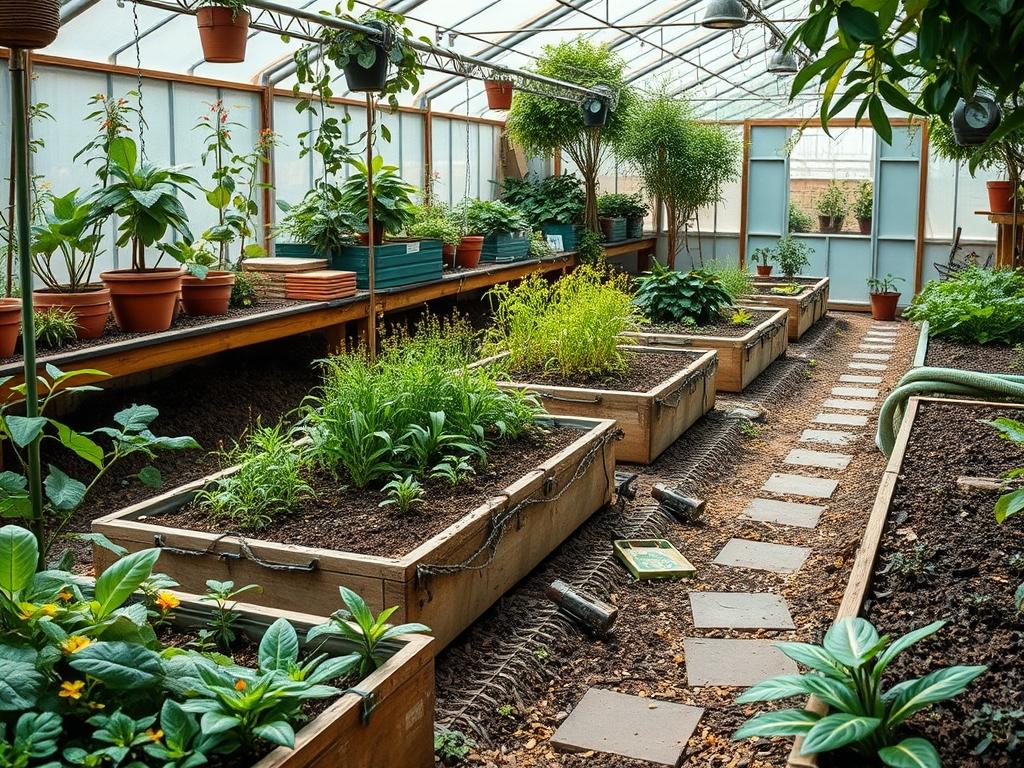
The sophisticated interplay between a structured landscape and the biological volatility of the outdoors requires a vigilant approach to maintenance and observation. For any senior landscape architect, the primary goal is to establish an environment where curb appeal and functional design thrive in tandem. However, a meticulously planned project can be derailed by the rapid arrival of invasive species or localized pathogens that threaten the health of expensive ornamental plantings. Integrating AI Pest Identification into your regular maintenance routine bridges the gap between aesthetic management and environmental science. This technology allows homeowners and professionals to capture high resolution images of suspicious leaf discolorations or insect larvae and receive immediate data on the specific threat. By identifying the intruder early, you protect your investment and ensure that the outdoor living space remains a healthy, functional extension of the home. This digital diagnostic tool is becoming as essential as the Trowel or the Pruning Shears in the modern land manager’s toolkit.
LANDSCAPE DESIGN PRINCIPLES
Success in landscape architecture begins with a rigorous adherence to core design principles that promote both beauty and plant health. Symmetry and visual balance provide the framework for a professional look. While formal gardens often rely on perfect mirror images across a central axis, informal landscapes use asymmetrical balance to guide the eye. In either case, the use of focal points, such as a large Japanese Maple or a structural piece of hardscaping, creates a hierarchy within the space. Elevation layers are equally critical. By grading the soil to create varied heights, you add depth and visual interest while simultaneously managing the way water moves across the site. A flat yard often feels stagnant, whereas a yard with subtle terracing or mounded plant beds feels dynamic and expansive.
Designing with airflow in mind is a principle often overlooked by those solely focused on visual appeal. When plants are crowded too closely to achieve an instant full look, they create pockets of stagnant, humid air that invite fungal infections. Proper spacing, calculated based on the mature width of the species, ensures that wind can move through the foliage. This natural ventilation is the first line of defense against many garden invaders. Furthermore, walkways should be integrated not just for aesthetics, but to prevent soil compaction in planting zones. Using Flagstone or Pavers set in a bed of Crushed Limestone provides a stable path for foot traffic while protecting the delicate root zones of nearby shrubs. Irrigation planning must also be precise. Zonal systems that deliver water directly to the root base through Drip Emitters are far superior to overhead sprayers, which can leave moisture on leaves and encourage the very pests that AI Pest Identification apps are designed to find.
PLANT AND MATERIAL SELECTION
Selecting the right biological and structural components determines the long term viability of the project. The following table outlines standard selections for a temperate, well balanced landscape.
| Plant Type | Sun Exposure | Soil Needs | Water Demand | Growth Speed | Maintenance Level |
| :— | :— | :— | :— | :— | :— |
| Boxwood Shrub | Partial Sun | Well drained Loam | Moderate | Slow | Medium |
| Lavender | Full Sun | Sandy/Gritty | Low | Moderate | Low |
| River Birch | Full Sun | Moist/Acidic | High | Fast | High |
| Hostas | Full Shade | Organic Rich | Moderate | Moderate | Very Low |
| Blue Star Creeper | Partial Shade | Moist | Moderate | Fast | Low |
| English Ivy | Shade/Sun | Adaptable | Low | Aggressive | High |
| Switchgrass | Full Sun | Poor to Average | Low | Fast | Low |
For hardscaping materials, longevity and drainage efficiency rank as top priorities. Using Polymeric Sand between paving stones prevents weed growth and insect nesting in the gaps. For mulch, Hardwood Shredded Bark is preferred over dyed wood chips because it decomposes into the soil, providing nutrients while suppressing weeds and maintaining a consistent 3 inch depth for moisture retention.
IMPLEMENTATION STRATEGY
The implementation of a professional landscape design must follow a logical sequence to avoid rework and site damage. The first stage is site grading. You must ensure the ground slopes away from the home foundation at a minimum 2 percent grade to prevent water pooling. Use a Transit Level to verify these slopes before any plants go in the ground. Once the grading is finalized, the secondary stage involves the installation of core drainage infrastructure. French Drains or Catch Basins should be placed in low spots to redirect heavy rainfall into a dedicated runoff zone or rain garden.
After the skeleton of the landscape is set, define the edges of your beds using a Manual Edger or a Power Edger to create a sharp, 4 inch deep V-trench. This physical barrier stops lawn grass from encroaching into the ornamental areas. When planting, always dig your holes twice as wide as the root ball but no deeper than the current soil level. Buried stems lead to rot and provide entry points for termites and borers. After the plants are situated, apply a layer of Geotextile Fabric in areas intended for gravel or stones, but avoid it in organic beds where it can suffocate the soil. Finally, apply a Leveling Rake to distribute mulch evenly. Frequent use of an AI Pest Identification app during this initial growth phase is vital, as newly transplanted specimens are often stressed and more susceptible to infestations.
COMMON LANDSCAPING FAILURES
Failure often stems from ignoring the technical requirements of the environment in favor of immediate visual gratification. One of the most prevalent mistakes is improper drainage. When water sits against a retaining wall without a Perforated Drain Pipe and Clean Gravel behind it, the hydrostatic pressure will eventually cause the wall to bow and fail. Similarly, root overcrowding is a silent killer. It is tempting to plant Leyland Cypress only 3 feet apart for a quick privacy screen, but within five years, the lack of light and nutrients will cause the inner branches to die back, creating a fire hazard and an eyesore.
Irrigation inefficiencies also contribute to significant landscape decline. Many systems are set to a simple timer that runs regardless of weather conditions, leading to overwatering and root rot. Utilizing Soil Moisture Sensors can mitigate this. Soil compaction is another frequent failure point, especially in new construction. Heavy machinery compresses the earth, destroying the pore space necessary for oxygen to reach the roots. If the soil feels like concrete, you must use a Core Aerator before attempting any planting. Without this intervention, even the healthiest White Oak or Hydrangea will struggle to survive. Lastly, failing to account for the mature size of a tree can lead to structural damage to the Gutter System or the Sewer Lines as roots seek out moisture.
SEASONAL MAINTENANCE
A professional landscape is not a static object; it is a living system that requires seasonal adjustments. During the spring, focus on cleaning out dead perennial foliage and applying a Pre-emergent Herbicide to prevent weed seeds from germinating. This is the optimal time to test your Irrigation Controller for leaks and to calibrate the Backflow Preventer. As temperatures rise, use AI Pest Identification to watch for early season aphids which tend to cluster on new, tender growth.
The summer months require a focus on water management. Increase the frequency of deep watering during heat waves to ensure moisture reaches at least 6 inches below the surface. Move your Mower Blade to a higher setting to help the lawn shade its own roots. In the autumn, the priority shifts to leaf management and winter preparation. Remove fallen leaves from the lawn to prevent snow mold, and apply a high phosphorus winterizing fertilizer to encourage root development during the dormant period. Pruning of deciduous trees should wait until late winter when the plant is fully dormant to minimize the risk of spreading pathogens. During winter, protect sensitive shrubs like Azaleas with Burlap Wraps and avoid using harsh de-icing salts near the edges of plant beds, as the sodium can burn the root systems of your most prized specimens.
PROFESSIONAL LANDSCAPING FAQ
How does AI Pest Identification improve garden health?
It provides instant, accurate data regarding specific insects or fungi. This allows for targeted organic or chemical treatments, preventing the overuse of broad spectrum pesticides that might harm beneficial pollinators or the surrounding local ecosystem balance.
What is the best depth for cedar mulch?
Maintain a depth of 2 to 3 inches. This thickness is sufficient to suppress weed germination and retain soil moisture without Preventing oxygen exchange or causing the base of your shrubs to suffocate and rot over time.
Can I fix poor drainage without digging up the yard?
Minor issues can be addressed via core aeration and top dressing with Coarse Sand. However, significant pooling usually requires a French Drain or a dry creek bed to physically move water away from the foundation and low areas.
Why are my newly planted trees leaning?
Leaning usually indicates improper tamping of the soil or a root ball that was not leveled during installation. Use Tree Stakes and Flexible Bracing for the first year to stabilize the trunk while the roots establish themselves.
How often should I calibrate my irrigation system?
Perform a catch can test once per season. This ensures that every zone receives uniform coverage. Use Pressure Regulators to prevent misting, which wastes water and fails to provide the deep soak required for healthy root systems.