
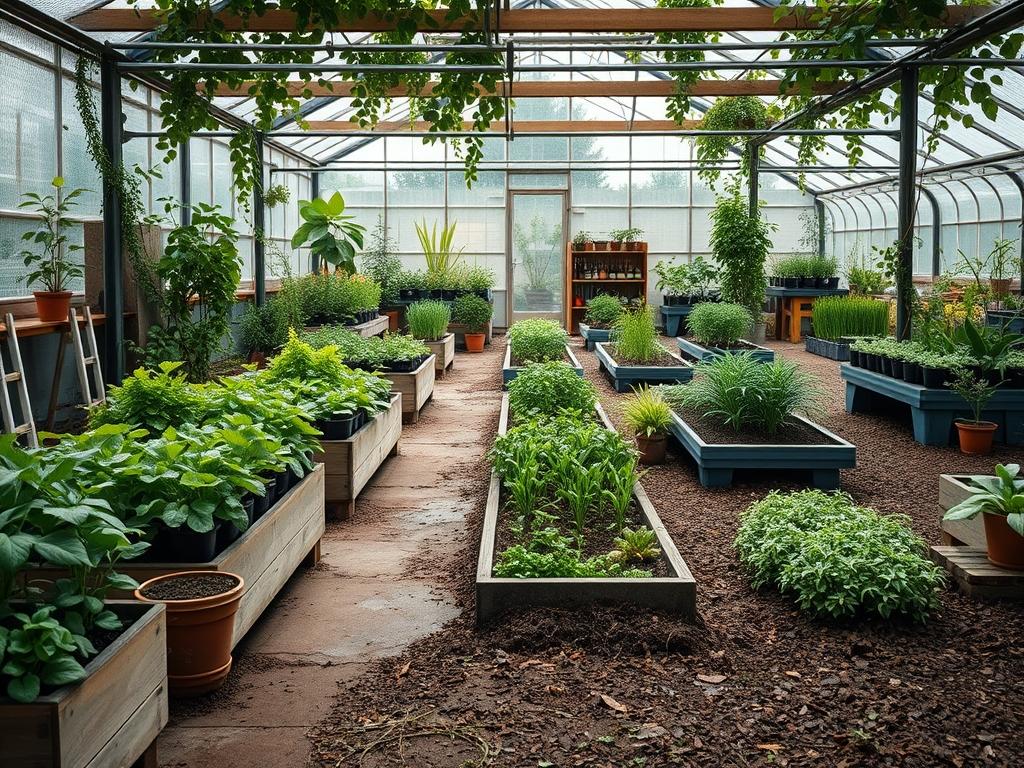
The visual discord of a newly installed landscape often stems from a fundamental disconnect between the current planting and the future canopy. Homeowners and developers alike frequently struggle to visualize how a three gallon shrub or a two inch caliper sapling will occupy space a decade into the future. This lack of foresight leads to overcrowded beds, blocked views, and compromised structural foundations. AI Garden Design Twinning offers a sophisticated technical solution to this perennial problem. By creating a digital model of your outdoor environment, this technology allows for the simulation of biological growth, weather patterns, and seasonal shifts over a ten year horizon. This process ensures that the curb appeal and functionality you invest in today do not become a maintenance nightmare or an aesthetic failure tomorrow.
Designing with a digital twin involves a deep understanding of climate variables and local soil conditions. A landscape is not a static installation; it is a living system that responds to environmental stressors. Professional planning must account for the microclimates within a single yard, such as the rain shadow of a house or the wind tunnel created by a narrow side path. Using AI Garden Design Twinning, we can input specific data regarding sunlight hours and drainage rates to see how a garden evolves. This predictive power allows us to adjust the placement of permanent structures like patios or retaining walls before a single shovel hits the dirt. The goal is to maximize the utility of the outdoor living space while ensuring the environmental health of the flora.
Landscape Design Principles
Successful landscape architecture relies on the interplay of symmetry and focal points to guide the eye and create a sense of order. Symmetry does not require a mirror image but rather a balance of visual weight. If a massive Quercus virginiana is positioned on the left side of a property, the right side must have a corresponding architectural feature or a grouping of dense shrubs to prevent the yard from feeling lopsided. AI twinning helps identify these weight imbalances as trees reach their mature height and spread. Elevation layers are equally critical. A professional design utilizes a foreground, midground, and background to create depth. Low creeping groundcovers provide the carpet, medium perennials offer texture, and tall evergreens serve as the walls of the outdoor room.
Walkways and circulation paths are the skeletons of the garden. They should be wide enough for two people to walk side by side, typically measuring at least 48 inches. Material choice for these paths must reflect the architectural style of the home while providing a slip resistant surface. Integration of irrigation planning is another pillar of modern design. Instead of a generic spray system, a professional plan utilizes drip irrigation for specific planting zones to minimize water waste and prevent fungal diseases on foliage. Visual balance is maintained through the repetition of colors and textures, which prevents the garden from looking cluttered. By simulating the growth of these plants over ten years, we can ensure that a walkway intended to be an open corridor does not become an impassable thicket.
Plant and Material Selection
The following table selections are based on high performance across various temperate zones, prioritized for their long term structural contribution to a “twinned” landscape design.
| Plant Type | Sun Exposure | Soil Needs | Water Demand | Growth Speed | Maintenance Level |
|:—|:—|:—|:—|:—|:—|
| Buxus microphylla | Full Sun to Shade | Well-Drained | Moderate | Slow | Medium (Pruning) |
| Lavandula angustifolia| Full Sun | Sandy/Alkaline | Low | Moderate | Low |
| Acer palmatum | Partial Shade | Rich/Acidic | Moderate | Slow | Low |
| Hydrangea macrophylla| Partial Shade | Moist/Loamy | High | Fast | Medium |
| Taxus baccata | Full Sun to Shade | Adaptable | Low | Slow | Low |
| Pennisetum alopecuroides| Full Sun | Average | Low | Fast | Low |
Implementation Strategy
The transition from a digital twin to a physical reality begins with professional grading. Proper site preparation ensures that water flows away from the home foundation and toward designated drainage areas. Before any plants are installed, the site must be leveled or sloped according to a topographical plan. If the yard has significant elevation changes, retaining walls should be constructed using interlocking concrete blocks or natural stone to prevent erosion. These walls must be backed by perforated drainage pipes and clean gravel to manage hydrostatic pressure.
Once the hardscaping is in place, the layout of the garden beds follows. Use heavy duty steel edging or poured concrete curbs to create clean lines that prevent grass from encroaching into the planting zones. The soil should be amended with organic compost to a depth of 12 inches to provide a nutrient rich environment for young roots. When planting, pay close attention to the recommendations provided by the AI Garden Design Twinning model. Space trees and shrubs according to their ten year diameter rather than their current size. Finish the beds with a 3 inch layer of hardwood mulch to retain moisture and suppress weeds. This mulch layer should be kept clear of the actual plant stems to prevent rot.
Common Landscaping Failures
The most frequent mistake in residential landscaping is improper drainage. Homeowners often focus on the aesthetic beauty of plants while ignoring the path of rainwater. This lead to “puddling” which drowns root systems and creates breeding grounds for mosquitoes. Another common failure is root overcrowding. When plants are installed too close together for immediate impact, they begin to compete for nutrients and light within three years. This competition weakens the plants, making them susceptible to pests and disease. AI Garden Design Twinning highlights these future collisions, showing how a beautiful cluster of saplings becomes a tangled mess of stunted limbs.
Soil compaction is another silent killer of landscapes. During construction, heavy machinery compresses the earth, destroying the pore spaces that hold air and water. If the soil is not properly aerated before planting, even the hardiest species will struggle to survive. Furthermore, improper spacing near utilities can lead to disaster. Roots from aggressive species like Salix babylonica can infiltrate sewer lines or lift heavy concrete driveways. Finally, irrigation inefficiencies often result from a “one size fits all” approach. Over-watering succulents or under-watering thirsty hydrangeas leads to patchy, unhealthy growth that detracts from the property’s value.
Seasonal Maintenance
Spring is the season of renewal and rigorous preparation. Start by inspecting the irrigation system for leaks or clogged emitters. Prune away any winter kill from deciduous shrubs and apply a slow release fertilizer to support the initial growth spurt. This is also the time to refresh the mulch levels and edge the beds to maintain the sharp definition of your landscape. As temperatures rise into summer, the focus shifts to hydration and pest management. Morning watering is essential to ensure plants are hydrated before the heat of the day. Check the undersides of leaves for aphids or mites, especially on Rosa species.
Autumn is the most critical time for long term health. It is the ideal window for planting new trees as the cooler air and warm soil encourage root development without the stress of high heat. Clean up fallen debris to prevent diseases from overwintering in the soil. Finalize the year with winter protection. For younger trees, use trunk wraps to prevent sunscald and frost cracks. In areas with heavy snow, use burlap screens to protect sensitive evergreens from salt spray and windburn. By following a structured maintenance calendar, you ensure that the physical garden tracks perfectly with the digital twin projected a decade prior.
Professional Landscaping FAQ
What is the benefit of AI Garden Design Twinning?
It provides a high accuracy preview of plant maturity and spatial relationships. It prevents costly errors by simulating how sunlight, shade, and root systems will interact over a decade, ensuring the landscape remains functional and beautiful as it ages.
How deep should my garden mulch be?
A depth of 3 inches is the professional standard. This thickness effectively suppresses weed growth and retains soil moisture without suffocating the root zone. Always keep mulch a few inches away from the base of tree trunks.
Why is soil grading important for my yard?
Grading directs surface water away from your home and prevents stagnant pools. Proper elevation planning ensures that your basement remains dry and your plants do not suffer from root rot due to poor drainage or oversaturation.
What are the best plants for low maintenance?
Evergreens like Taxus and ornamental grasses like Pennisetum are excellent choices. These species require minimal pruning, are drought tolerant once they are established, and provide consistent year round structure to your landscape without constant chemical intervention.
How often should I check my irrigation system?
Perform a full system audit at the start of spring and a secondary check in mid summer. Look for broken spray heads, misaligned nozzles, and signs of “dry spots” in the turf which indicate uneven water distribution or pressure loss.