
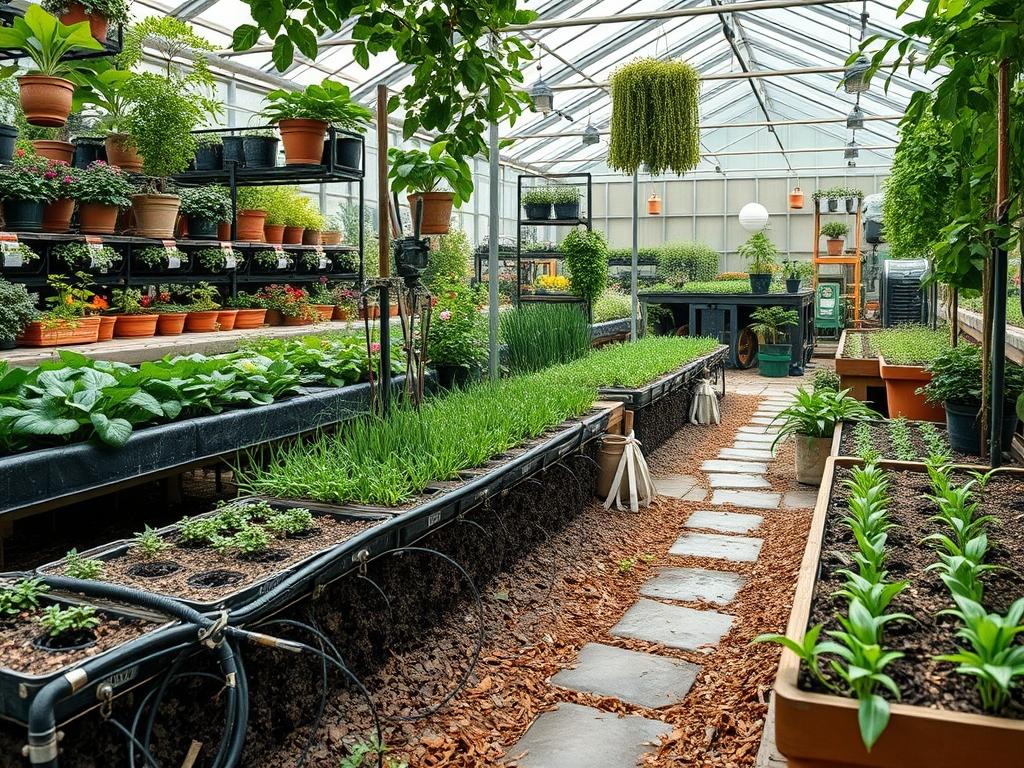
Landscape architecture is a discipline defined by the pursuit of equilibrium between natural beauty and human utility. In the contemporary environment, the traditional aesthetic of the lush green lawn faces increasing scrutiny due to the demands it places on local water supplies. The modern consultant must approach turf management not merely as a decorative choice, but as a complex ecosystem that requires data-driven maintenance. Smart watering for lawns has evolved from simple mechanical timers to sophisticated systems that utilize complex algorithms to predict exactly when and how much moisture is required. Achieving a perfect lawn while maintaining a commitment to conservation requires an understanding of how local climate data, soil composition, and plant physiology intersect. By prioritizing intelligent irrigation, we enhance curb appeal and outdoor functionality without the waste associated with legacy systems.
The foundation of a successful outdoor environment lies in the integration of technology and biological needs. When we design a high-end landscape, we consider the lawn as a living organism that communicates its needs through subtle environmental cues. A smart watering algorithm acts as the translator for these cues, calculating the rate of moisture loss from the soil and the rate of transpiration from the grass blades. This process, known as evapotranspiration, is the gold standard for modern irrigation planning. By adjusting schedules based on real-time weather feeds and local sensor data, we ensure that every gallon of water serves a specific purpose. This granular level of control is what separates a standard garden from a professional-grade landscape, providing a resilient, vibrant carpet of green that thrives even during periods of environmental stress.
Landscape Design Principles
Effective landscape design begins with spatial organization and the hierarchy of visual elements. Symmetry and focal points are essential for directing the eye and creating a sense of order. When planning a lawn, we treat the turf as a negative space that highlights more complex features such as retaining walls, ornamental trees, and elevation layers. This visual balance ensures the property feels grounded. However, the aesthetic success of these elements is entirely dependent on the underlying infrastructure. Irrigation planning must be the first consideration, not an afterthought. We divide the property into distinct hydrozones, grouping plants with similar water requirements together to maximize the efficiency of the smart controller.
Elevation plays a critical role in how water moves across the site. A flat lawn is rarely truly flat; it must be subtly graded to move excess moisture away from the home foundation and toward designated drainage areas. This topological planning is mirrored in the design of walkways and hardscaping, which serve as functional boundaries that prevent soil erosion and define the lawn’s edges. By using pavers or flagstone for paths, we create a contrast in texture that makes the green of the grass appear more vivid. The integration of automatic rain sensors and soil moisture probes within these zones allows the design to respond dynamically to microclimates created by the shade of the house or the heat reflected from stone patios.
Plant and Material Selection
The following table outlines the botanical and structural materials commonly utilized in professional landscape projects where irrigation efficiency is a priority.
| Plant Type | Sun Exposure | Soil Needs | Water Demand | Growth Speed | Maintenance Level |
| :— | :— | :— | :— | :— | :— |
| Kentucky Bluegrass | Full Sun | Well-drained Loam | High | Moderate | High |
| Tall Fescue | Sun to Part Shade | Deep Clay/Loam | Medium | Fast | Moderate |
| Zoysia Grass | Full Sun | Sandy/Loam | Low | Slow | Low |
| Creeping Thyme | Full Sun | Poor/Sandy | Low | Fast | Low |
| Dwarf Boxwood | Part Shade | Fertile/Moist | Moderate | Slow | Medium |
| River Rock | Any | N/A | None | N/A | Very Low |
| Hardwood Mulch | Any | N/A | N/A | N/A | Low |
Implementation Strategy
Executing a professional garden layout requires a methodical approach that starts with site preparation. The first step is the assessment of the existing grade. We use a transit level to identify high and low spots, ensuring a consistent 2 percent slope away from all structures. Once the rough grading is complete, we address site drainage. The installation of French drains or catch basins is vital in areas with heavy clay soil to prevent the pooling of water, which can lead to root rot and fungal diseases. Smart watering algorithms are only effective if the soil can actually process the water provided.
Following the drainage work, the irrigation system is installed. Modern systems utilize smart WiFi controllers that pull data from local weather stations. We place moisture sensors at the midpoint of the root zone, typically 4 to 6 inches deep, to provide the algorithm with ground-truth data. Once the subterranean components are in place, we focus on soil health. Incorporating organic compost and expanded shale into the top layers of the soil improves porosity and water retention. Only after the soil is prepared do we proceed with the installation of the sod or seed.
Final touches involve the application of edging and mulch. A clean, deep-cut edge between the lawn and the flower beds prevents grass from encroaching on ornamental plants. We apply a 3-inch layer of shredded hardwood mulch to all planting beds, which suppresses weeds and reduces the evaporation of moisture from the soil. This layer acts as a thermal blanket, keeping roots cool in the summer and warm in the winter, which complements the efficiency of the smart watering schedule.
Common Landscaping Failures
The most frequent error in residential landscaping is the neglect of proper drainage. Even the most advanced smart watering system cannot compensate for a site that collects water in stagnant pools. Soil compaction is another primary cause of lawn failure. When the earth is packed too tightly, air and water cannot reach the root system, leading to a shallow, weak turf that is susceptible to heat stress. Using a core aerator annually is essential to combat this issue and ensure that the smart watering algorithm’s delivery actually reaches its target.
Improper spacing of plants often leads to root overcrowding and competition for resources. Designers must account for the mature size of every shrub and tree to avoid a cluttered appearance and nutrient deficiencies. Irrigation inefficiencies also stem from poor spray patterns. If rotary nozzles are not adjusted correctly, they may waste water on sidewalks or the sides of the house rather than the lawn. This not only wastes a precious resource but also promotes the growth of moss and algae on hard surfaces. Finally, many homeowners fail to recalibrate their smart controllers as the seasons change, leading to over-watering in the autumn when the plant’s metabolic rate naturally slows down.
Seasonal Maintenance
A proactive maintenance schedule is the only way to protect the investment of a professional landscape. During the spring, the focus is on awakening the lawn. We perform a soil test to determine nutrient needs and apply a pre-emergent herbicide to prevent weed seeds from germinating. The smart controller should be updated to account for the increasing temperatures and spring rain patterns.
In the summer, the priority shifts to stress management. We increase the mowing height to 3.5 or 4 inches to provide shade for the soil surface, which reduces evaporation. The smart watering algorithm is most active during this period, often utilizing a “cycle and soak” method to ensure deep water penetration without runoff. Autumn is the season for restoration. We perform overseeding and apply a high-potassium fertilizer to strengthen root systems before the first frost. Winter maintenance is largely about protection; we winterize the irrigation system by blowing out the lines with an air compressor to prevent freeze damage. While the lawn is dormant, we focus on the structural pruning of deciduous trees and the planning of next year’s enhancements.
Professional Landscaping FAQ
How often should I calibrate my smart irrigation controller?
Check your controller settings once per month. Ensure the weather feed is active and the sensor batteries are functional. This ensures the algorithm is responding to the current climate rather than outdated seasonal averages.
What is the best way to improve lawn drainage?
Install a subsurface drainage system like a French drain. Combining this with core aeration helps moisture move through the soil profile, preventing the saturation that leads to turf diseases and root death.
Does a smart watering system actually save money?
Yes, most users see a reduction in water consumption of 20 to 40 percent. By eliminating watering during rain events and adjusting for humidity, the system pays for itself through lower utility bills over time.
Can I use smart watering for native plants?
Absolutely. Smart controllers allow you to set specific plant types for each zone. Native plants generally require less frequent watering, and the algorithm can be set to provide only supplemental moisture during extreme droughts.
Is organic mulch better than rock for moisture retention?
Organic mulch is superior for moisture because it slowly decomposes and improves the soil structure. Rock reflects heat and can increase the soil temperature, which may cause the smart system to trigger more frequent watering cycles.