
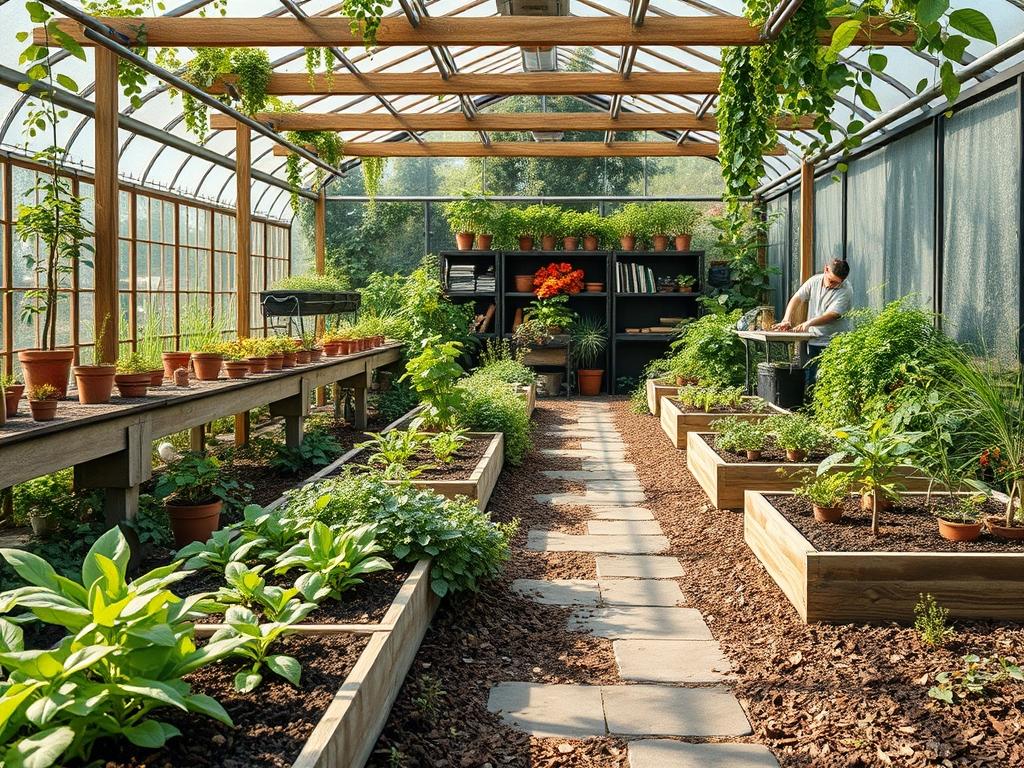
Modern residential landscapes are moving beyond simple aesthetic arrangements of flora toward integrated habitats that provide energy and food security. The introduction of solar glass greenhouse tech represents a significant leap in this evolution. Instead of traditional photovoltaic panels that sit awkwardly atop a roof, these semi-transparent glass modules replace standard glazing. They allow photosynthetically active radiation to reach the plants below while capturing the remaining spectrum for electrical conversion. This dual-use technology solves the persistent challenge of maximizing limited backyard square footage, allowing a homeowner to maintain high curb appeal without sacrificing the utility of a power plant. From a design perspective, the glass structure becomes a luminescent focal point at night and a sleek, modern architectural feature by day. Integrating such an advanced system requires a deep understanding of site orientation, microclimates, and the delicate balance between hardscape structural needs and biological requirements.
Building a landscape around this technology requires more than just an appreciation for greenery; it demands an architectural mindset. The placement of the greenhouse must prioritize southern exposure in the northern hemisphere to ensure maximum power generation, but it also necessitates a transition zone that blends the glass structure into the natural environment. A common error is treating the greenhouse as a standalone object. Instead, it should be the anchor of the garden, with walkways, seating areas, and layered plantings radiating outward from its perimeter. This creates a sense of cohesion where the energy-generating glass acts as a bridge between the built environment and the organic growth of the landscape.
Landscape Design Principles
Symmetry and focal points are the foundations of a successful landscape plan involving solar glass greenhouse tech. Because these structures often have a modern, minimalist aesthetic, the surrounding garden should reflect those clean lines. Aligning the main walkway with the central axis of the greenhouse creates a powerful visual draw. This walkway should be constructed from materials that complement the glass, such as smooth-finish concrete pavers or natural slate, rather than rustic or overly textured materials that might clash with the high-tech facade.
Elevation layers are critical for both drainage and visual interest. By placing the greenhouse on a slightly elevated subterranean platform or a low retaining wall, you create a literal pedestal for the technology. This height helps prevent runoff from entering the structure while allowing the glass to catch more direct sunlight without being shaded by nearby shrubs. To maintain balance, use a tiered planting approach around the base. Tall perennials should be placed far enough away to avoid cast shadows, while low-growing groundcovers like creeping thyme can soften the edges of the foundation without obstructing the solar cells.
Irrigation planning must be integrated into the initial design phase. Because solar glass greenhouse tech provides its own power, many designers install a closed-loop system where the glass powers a high-efficiency pump. This pump can draw water from an underground cistern filled by rain harvested from the greenhouse roof. This creates a fully circular ecosystem. The placement of PVC piping or flexible drip lines should be hidden beneath a layer of organic mulch or decorative stones to maintain a clean appearance.
Plant and Material Selection
The following table outlines plants that perform exceptionally well within the unique light environment of a solar glass greenhouse, where light is often diffused rather than direct.
| Plant Type | Sun Exposure | Soil Needs | Water Demand | Growth Speed | Maintenance Level |
| :— | :— | :— | :— | :— | :— |
| Leafy Greens | Partial/Diffused | Loamy, rich | Moderate | Fast | Low |
| Culinary Herbs| Full to Partial | Well-drained | Low | Moderate | Low |
| Dwarf Citrus | Full Sun | Sandy, acidic | High | Slow | High |
| Beefsteak Tomato| High Intensity | Organic Compost| High | Rapid | Medium |
| Microgreens | Diffused Light | Peat-based mix | Moderate | Very Fast | Medium |
| Bell Peppers | Full Sun | Neutral pH | Moderate | Moderate | Medium |
Material selection for the surrounding hardscape should focus on durability and thermal properties. Using crushed basalt or dark granite gravel around the base of the greenhouse can provide a secondary benefit; these dark materials absorb heat during the day and radiate it back toward the glass at night, helping to stabilize the interior temperature during shoulder seasons.
Implementation Strategy
The first step in a professional layout is an accurate site survey using a theodolite or laser level to determine the exact grading requirements. The ground must be sloped away from the greenhouse structure at a minimum of two percent to ensure that heavy rain does not undermine the foundation. Once the grade is established, a compacted gravel base of at least six inches should be laid to support the weight of the glass and its metal framework.
After the foundation is set, the installation of a French drain system around the perimeter is highly recommended. This prevents hydrostatic pressure from building up against the lower glass panels. Once the structural components are in place, the edging process begins. Use steel edging or heavy-duty aluminum borders to create crisp transitions between the lawn and the planting beds.
When applying mulch, a depth of three inches is the industry standard for moisture retention and weed suppression. For gardens utilizing solar glass greenhouse tech, consider using a lighter-colored mulch such as cedar chips or pine bark if the glass is bifacial. Bifacial solar glass can generate power from light reflected off the ground, so a reflective surface nearby can actually increase your energy yield. Finally, the installation of outdoor LED lighting powered by the greenhouse itself can highlight the structure at night, turning the landscape into a functional art piece.
Common Landscaping Failures
One of the most frequent mistakes is improper spacing between the solar glass greenhouse and the nearest tree line. As trees grow, their canopies expand and cast shadows that significantly degrade the electrical output of the solar glass greenhouse tech. It is essential to research the mature spread of any tree species planted nearby. A tree that looks small in a five-gallon bucket today can easily reach a thirty-foot spread within a decade, rendering the solar glass ineffective for large portions of the day.
Soil compaction is another silent killer of both plants and structural integrity. Heavy machinery used during the installation of the greenhouse can compress the soil, destroying the air pockets necessary for root respiration and water drainage. To fix this, use a mechanical aerator or a broadfork to loosen the soil in the surrounding planting zones before adding any organic amendments.
Drainage errors often involve the misplacement of gutters or the lack of a proper discharge point for roof runoff. Solar glass greenhouses generate a significant amount of water shedding during storms. If this water is not directed into a bioswale or a designated drainage pit, it will cause erosion and potential flooding inside the structure. Furthermore, ignoring the root systems of aggressive plants can lead to cracked foundations or damaged irrigation lines. Use root barriers for any species known for invasive rhizomes or expansive root mats.
Seasonal Maintenance
Spring is the time for deep cleaning and inspection. The efficiency of solar glass greenhouse tech depends entirely on the clarity of the surface. Use a soft-bristled brush and deionized water to remove pollen and dust that have accumulated over the winter. This is also the time to test the irrigation pumps and clean out the filters in the drip system.
During the summer, the focus shifts to temperature management. Even with energy-generating glass, temperatures can soar. Use the power generated by the glass to run exhaust fans and automated shade cloths. Check the mulch levels around the exterior plants to ensure they are not drying out too quickly under the reflective heat of the glass.
Autumn requires the removal of fallen leaves from the greenhouse roof and the surrounding gutters. Decaying organic matter can stain the glass or create hot spots on the solar cells that reduce efficiency. In the winter, snow removal becomes the priority. Use a soft foam squeegee to clear snow from the solar surfaces as soon as possible to resume power generation and allow light to reach overwintering plants inside. Ensure that the exterior hose bibs and irrigation lines are fully blown out with an air compressor to prevent burst pipes during the first hard freeze.
Professional Landscaping FAQ
How does solar glass greenhouse tech impact internal temperatures?
This technology helps regulate heat by absorbing specific wavelengths of light that would otherwise cause excessive heat gain. This results in a more stable growing environment compared to traditional glass, while simultaneously generating usable electricity for the property.
Can I use any type of mulch around the greenhouse?
While most organic mulches work, light-colored materials are superior for solar glass. They reflect more sunlight onto the panels, potentially increasing energy production. Avoid heavy stone mulch directly against the glass to prevent accidental scratches or impact damage.
What is the best way to clean the solar glass?
Use a mixture of mild soap and distilled water with a non-abrasive microfiber cloth. Avoid harsh chemicals or metal scrapers, as scratches can create shadows on the photovoltaic cells, which drastically reduces the overall efficiency of the energy collection system.
Do I need special drainage for a solar glass structure?
Yes, because glass surfaces are entirely non-porous, they create high-volume runoff. Implementing a perimeter French drain or a stone-filled infiltration trench is necessary to protect the foundation and the surrounding landscape from erosion during intense rain events.
Will the glass produce enough power for the whole garden?
Typically, the energy generated can fully power irrigation systems, basic lighting, and ventilation fans. Depending on the surface area, it may also contribute significantly to the main house, but its primary function is supporting the greenhouse’s own mechanical needs.