
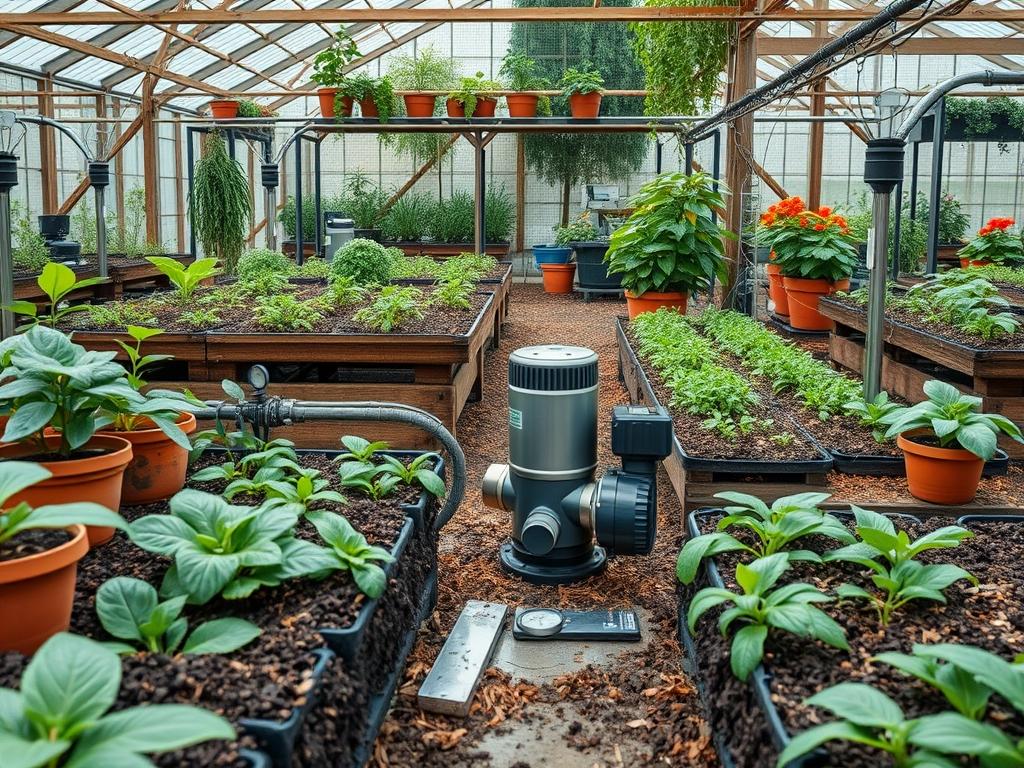
Modern property development has undergone a significant transformation, moving beyond simple aesthetic arrangements toward complex ecosystem management. As a senior landscape architect, I have observed that the most successful projects are those that bridge the gap between architectural beauty and high-performance utility. Curb appeal remains a primary goal for any residential or commercial installation, yet the sustainability of that appeal depends entirely on the invisible infrastructure beneath the soil. High-end landscape design now requires a data-driven mindset, particularly when addressing the stressors of a changing climate and the need for precision resource management. This is where the integration of Smart Irrigation Pump Analytics becomes a critical component of the planning phase. By monitoring flow rates, pressure fluctuations, and power consumption, designers can ensure that the organic investment is protected by a system that thinks for itself.
Designing a functional outdoor environment involves more than placing a few ornamental trees in a bed of Mulch. It requires an understanding of the site’s topography, its microclimates, and the specific hydraulic demands of the vegetation. When we plan a landscape, we are essentially building a living machine. All components, from the Native Plants to the Retaining Walls, must work in concert to manage water runoff and provide a cohesive visual experience. Without a robust strategy for irrigation and drainage, even the most expensive horticultural installations will eventually succumb to root rot or drought stress. The goal is to create a seamless transition between the built environment and the natural one, utilizing modern technology to maintain that balance without constant manual intervention.
Landscape Design Principles
The foundation of a professional landscape lies in the application of core design principles: symmetry, focal points, elevation layering, and visual balance. Symmetry provides a sense of order and formality; it is often achieved by mirroring plant groupings on either side of a Walkway or entry point. Focal points, such as a large Japanese Maple or a custom-built Water Feature, serve as anchors that draw the eye and provide a sense of purpose to the space. However, these focal points often have higher water demands than the surrounding greenery, making precise irrigation zones a necessity.
Elevation layering is a technique used to create depth and interest within a garden. By utilizing Retaining Walls and Terraced Beds, we can turn a flat, uninspired yard into a multi-dimensional environment. In these scenarios, irrigation becomes more complex because water naturally gravitates toward the lowest point of the site. This is where Smart Irrigation Pump Analytics provides immense value. Analysts can identify if a pump is overworking to push water to an elevated tier or if there is a pressure drop indicating a leak in a high-elevation line. Furthermore, the selection of materials for Walkways, such as Flagstone or Permeable Pavers, must account for how water moves across the surface. Proper grading ensures that excess moisture is directed toward French Drains rather than pooling at the foundation of the home.
Plant and Material Selection
Choosing the right materials and flora is the most subjective yet impactful part of the process. The following table outlines several popular choices for modern landscapes, focusing on their specific needs and characteristics to help guide the planning phase.
| Plant Type | Sun Exposure | Soil Needs | Water Demand | Growth Speed | Maintenance Level |
| :— | :— | :— | :— | :— | :— |
| Dwarf Boxwood | Full Sun to Partial Shade | Well-drained, loamy | Moderate | Slow | Medium (Requires Pruning) |
| Purple Coneflower | Full Sun | Poor to average soil | Low (Drought tolerant) | Fast | Low |
| Blue Star Creeper | Partial Shade | Moist, fertile | High | Medium | Low (Ground cover) |
| Maiden Grass | Full Sun | Adaptable/Well-drained | Moderate | Fast | Low (Annual Cutback) |
| Hostas | Full Shade | Rich, organic matter | High | Medium | Moderate |
| Creeping Thyme | Full Sun | Rocky, sandy | Low | Fast | Low |
For hardscaping, the choice of Crushed Granite, River Rock, or Cedar Mulch will dictate the soil’s moisture retention. A layer of 3 inches of Organic Mulch is standard for suppressing weeds and maintaining a consistent root temperature. Tools like a Soil Moisture Sensor and a Power Auger are indispensable during the installation phase to ensure that each specimen is planted at the correct depth and in the optimal environment.
Implementation Strategy
The successful implementation of a landscape plan begins with thorough site preparation. First, the area must be cleared of debris and existing invasive species using a Brush Cutter or a Grubbing Mattock. Once the site is clear, grading is the next priority. Using a Grading Rake or a small Skid Steer, the land should be sloped at a minimum of 2 percent away from any structures to facilitate proper Drainage.
After grading, the installation of the irrigation backbone begins. This involves laying 1-inch PVC Piping and installing a series of Zone Valves. This is the stage where the pump station is configured. Integrating Smart Irrigation Pump Analytics at this point allows the contractor to establish a baseline for normal operation. The system can be calibrated to detect the difference between a high-flow event, such as a broken Sprinkler Head, and a low-flow event, like a clogged Drip Emitter.
Once the infrastructure is underground, the hardscaping is installed. Retaining Walls should be built on a foundation of 6 inches of Compactable Gravel to prevent shifting. Finally, planting begins. Each plant should be placed in a hole twice the width of its root ball. Using a Transplant Spade, the plants are settled into the ground, and a starter fertilizer is applied. The final step is the application of the chosen Mulch, which should be kept a few inches away from the trunks of trees to prevent bark rot.
Common Landscaping Failures
The most frequent mistakes in professional landscaping often involve a lack of foresight regarding the future growth of the plants and the efficiency of the utility systems. Root overcrowding is a common issue when designers fail to account for the mature spread of a species. A White Oak planted 5 feet from a driveway will eventually buckle the pavement. Soil compaction is another silent killer; when heavy machinery is used during construction without subsequent aeration, the soil becomes like concrete, preventing oxygen and water from reaching the roots.
Irrigation inefficiencies are perhaps the most costly failures. Traditional timers often run during rainstorms or fail to adjust for seasonal evaporation rates. This leads to water waste and increased utility costs. By utilizing Smart Irrigation Pump Analytics, these failures are mitigated. The system can provide real-time alerts if the pump is cycling too frequently, which often suggests a hidden leak or a faulty Pressure Tank. Addressing these issues immediately prevents the loss of expensive plant material and protects the integrity of the soil structure.
Seasonal Maintenance
Landscape management is a year-round commitment that changes with the cycles of the sun. In the spring, the focus is on reactivation. This involves cleaning out Debris, applying a fresh 2-inch layer of Mulch, and performing a test run of the irrigation system. Using a Pressure Gauge, technicians check for consistent output across all zones.
Summer maintenance is centered on stress management. As temperatures rise, the water demand increases. This is the peak period for monitoring Smart Irrigation Pump Analytics. Designers look for signs of pump fatigue or overheating. It is also the time for precision pruning with Bypassing Shears to remove spent blooms and encourage a second flush of growth.
Autumn is the season for preparation and planting. The cooler soil is ideal for establishing new Native Plants. It is also the time to aerate the lawn with a Core Aerator and apply overseeding. Finally, winter maintenance involves the protection of the infrastructure. In colder climates, irrigation lines must be blown out using an Air Compressor to prevent freezing and bursting. Sensitive statues or Decorative Containers should be wrapped or moved indoors to protect them from the freeze-thaw cycle.
Professional Landscaping FAQ
How does smart analytics save money on large estates?
By monitoring the electricity used by the pump and the exact volume of water dispersed, the system identifies inefficiencies and leaks instantly. This prevents the high cost of undetected water loss and the expensive replacement of dying vegetation.
What is the best way to handle poor soil drainage?
Installing a French Drain or a Dry Well is the most effective solution. These systems redirect excess water to a designated area, preventing the soil from becoming anaerobic, which is essential for maintaining the health of the root systems.
Can I integrate smart pumps with my existing landscape?
Yes; most modern pump controllers can be retrofitted with sensors and cloud-linked diagnostic tools. This allows property owners to upgrade their resource management without the need for a total landscape overhaul or excavation of existing lines.
Why is native plant selection so emphasized by architects?
Native Plants have evolved to thrive in the local climate and soil conditions. They generally require less supplemental water and fewer chemical fertilizers, making them the most sustainable and cost-effective choice for long-term landscape health and resilience.
How often should I recalibrate my irrigation sensors?
Sensors should be inspected every spring before the growing season begins. Utilizing a Multimeter to check electrical connections and comparing sensor data against a manual Rain Gauge ensures that your system remains accurate throughout the high-demand summer months.