
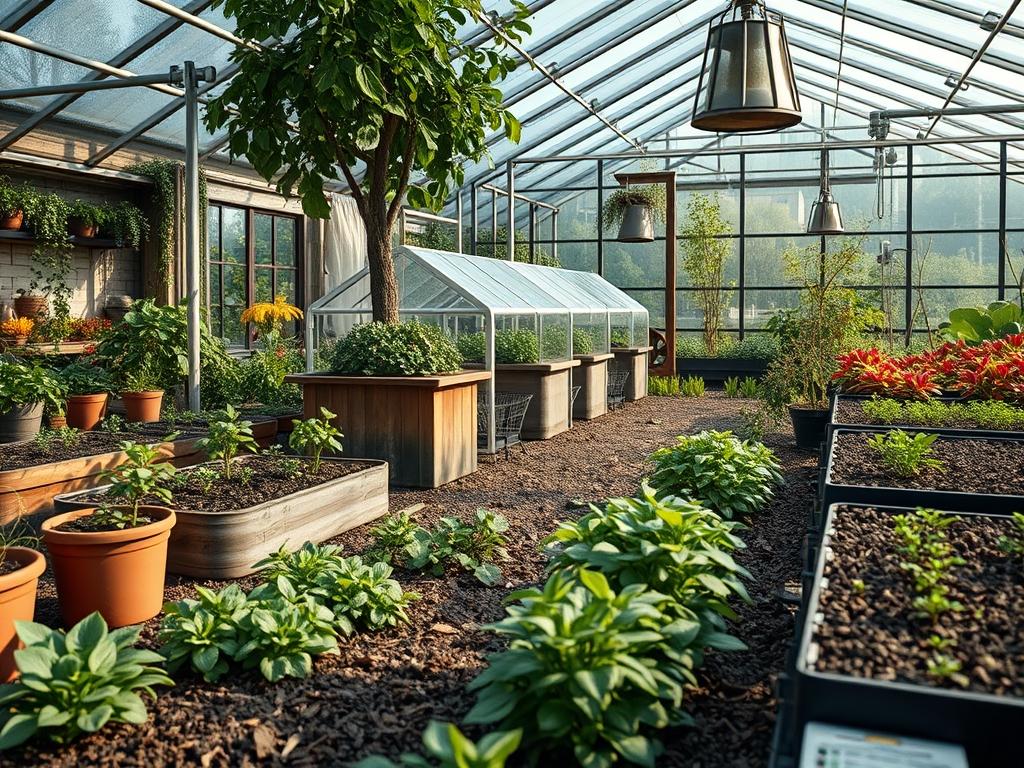
Modern landscaping requires a delicate balance between aesthetic beauty and technological utility. We no longer view the garden as a static entity; instead, it is a dynamic outdoor room that requires power for illumination, irrigation controllers, and connectivity. Selecting Solar Powered Garden Hubs represents a significant shift toward sustainable, low impact development. These units allow homeowners to bypass the significant costs and terrestrial disruption associated with trenching for electrical conduit. However, the placement and selection of these hubs must be precise to maintain curb appeal while ensuring maximum solar gain. A well chosen hub acts as the nerve center for the environment, powering everything from path lighting to soil moisture sensors. When we design these spaces, we consider the sun’s trajectory throughout the year. We also evaluate how the hardware integrates with the surrounding vegetation. The goal is to create a seamless transition where the technology enhances the natural environment without dominating it.
Landscape Design Principles
In the realm of professional site planning, the integration of Solar Powered Garden Hubs must adhere to the core principles of symmetry and visual balance. A hub should never be an afterthought placed randomly in a flower bed. Instead, we utilize it as a functional anchor within the layout. If the garden follows a formal design, the hub is often concealed near a Focal Point, such as a central sculpture or a specimen tree, ensuring it is accessible but unobtrusive. In more naturalistic, informal designs, we use elevation layers to our advantage. Placing the solar collectors on a slightly higher grade ensures they remain above the shadow line cast by mid-sized shrubs like Boxwood or Hydrangea.
Walkway planning is another critical intersection where technology meets design. We often specify that hubs be located at the confluence of major paths. This placement allows the hub to efficiently distribute power to low voltage LED fixtures that define the Walkway edges. Furthermore, irrigation planning must account for the electronics. Even though high quality hubs feature weather resistant housing, we avoid placing them in low lying areas where water might pool after a heavy rain. We prioritize sites with excellent drainage and use Hardscaping elements, such as Flagstone or River Rock, to create a stable, dry base for the equipment. This approach ensures that the hub remains functional through varied weather cycles while contributing to a polished, professional appearance.
Plant and Material Selection
The following recommendations focus on species that complement the installation of Solar Powered Garden Hubs by providing low profiles that do not obstruct sunlight.
| Plant Type | Sun Exposure | Soil Needs | Water Demand | Growth Speed | Maintenance Level |
| :— | :— | :— | :— | :— | :— |
| Blue Fescue | Full Sun | Well-drained | Low | Moderate | Minimal |
| Creeping Phlox | Full Sun | Loamy | Medium | Fast | Low |
| Lavender | Full Sun | Sandy/Alkaline | Very Low | Moderate | Seasonal Pruning |
| Sedum | Full Sun to Part | Gritty/Poor | Very Low | Slow | Negligible |
| Dwarf Fountain Grass| Full Sun | Adaptable | Medium | Fast | Annual Cutback |
| Thyme | Full Sun | Well-drained | Low | Fast | Minimal |
When choosing materials for the surrounding area, we recommend using a Geotextile Fabric beneath a layer of Pea Gravel or Crushed Granite. This prevents weed growth from interfering with the solar panels and maintains a clean aesthetic. For mulch, a thickness of 3 inches to 4 inches of Hardwood Mulch is standard. This depth provides adequate moisture retention for surrounding plants while preventing soil splash back onto the solar sensors during heavy downpours.
Implementation Strategy
The successful installation of a landscape featuring Solar Powered Garden Hubs begins with a comprehensive site analysis. We start by measuring the light levels at different times of the day using a light meter. Once the optimal location is identified, the next step is Grading. The ground must be leveled to prevent leaning, which can reduce the efficiency of the solar cells. We typically excavate a small area and backfill it with Crushed Stone to provide a solid foundation. If the hub is part of a larger Outdoor Living project involving Retaining Walls, we integrate the hub near the top of the wall to maximize its exposure to the sky.
After the foundation is set, we address the Drainage requirements. We often install a small French Drain or a specialized drainage tile if the site is prone to saturation. This ensures that the base of the hub remains dry. For the surrounding borders, we use Steel Edging or Paver Restraints to create a crisp line between the hub’s utility area and the planted beds. This prevents invasive grass species from encroaching on the device. Finally, the wiring for any peripheral lights or pumps is tucked neatly under the mulch layer, following the perimeter of the beds to avoid accidental damage during routine gardening tasks like aeration or weeding.
Common Landscaping Failures
One of the most frequent mistakes in outdoor design is root overcrowding. When a Solar Powered Garden Hub is placed too close to fast growing trees, the root systems can eventually shift the foundation of the hub or interfere with underground sensors. We also frequently see issues with soil compaction. In high traffic areas, the soil becomes dense, which prevents water from infiltrating the ground. This leads to runoff that can undermine the stability of the hub. To prevent this, we recommend incorporating Organic Matter into the soil during the initial planting phase and avoiding heavy foot traffic directly around the power station.
Another common failure involves improper spacing relative to the mature size of plants. A Juniper or Euonymus might look small at the time of installation, but within three years, it can completely shade the solar panels. This results in a lack of power and a frustrated homeowner. Irrigation inefficiencies also pose a threat. If a sprinkler head is aimed directly at the hub, the constant moisture can lead to mineral buildup on the solar glass, significantly reducing its ability to convert sunlight into energy. We always ensure that irrigation zones are adjusted to spray away from electronic components.
Seasonal Maintenance
Landscape management is a year round commitment, especially when integrating technology. In the spring, the focus is on cleaning. We use a soft cloth and distilled water to remove the film of pollen and dust that accumulates on the solar panels. This is also the time to check the Edging and refresh the Mulch to ensure the 4 inch depth is maintained. During the summer, the priority shifts to irrigation monitoring. We check the surrounding foliage to ensure no new growth is casting shadows on the hub. If necessary, we perform structural pruning on nearby shrubs to maintain a clear line of sight to the sun.
Autumn brings the challenge of falling leaves. Debris must be cleared from the hub daily to prevent it from entering a deep discharge state due to lack of light. We also examine the seals on the hub to ensure that temperature fluctuations have not caused any cracks in the housing. In winter, snow removal is essential. A thin layer of frost or snow can completely stop energy production. We recommend using a soft brush to clear the panels after every snowfall. Additionally, if the hub powers a water feature, the pumps should be disconnected and the hub set to a power saving mode to protect the internal battery during periods of limited daylight.
Professional Landscaping FAQ
How do I determine the best location for the hub?
Place the device in a location that receives at least six hours of unobstructed sunlight daily. Avoid areas near tall structures or deciduous trees that will create heavy shade during the summer months or drop excessive debris in the autumn.
Can these hubs power heavy duty garden machinery?
Most solar hubs are designed for low voltage applications like LED lighting, small water pumps, or charging mobile devices. They are generally not intended for high draw equipment like electric lawnmowers unless they are specifically rated for high wattage output.
What is the lifespan of the internal batteries?
High quality lithium iron phosphate batteries typically last between five and seven years. To maximize longevity, ensure the hub is never fully shaded for extended periods, as deep discharge cycles can diminish the overall capacity of the battery cells.
Do these units require professional electrical installation?
One of the primary advantages of solar technology is the ease of installation. Most units are plug and play, meaning they do not require a licensed electrician. However, a landscape architect should oversee the site’s grading and drainage integration.
Is it necessary to protect the hub during extreme weather?
Commercial grade hubs are designed with high IP ratings to withstand rain, wind, and snow. In regions with extreme hail or hurricanes, you may consider a removable mounting system that allows you to store the unit in a garage during severe storms.