
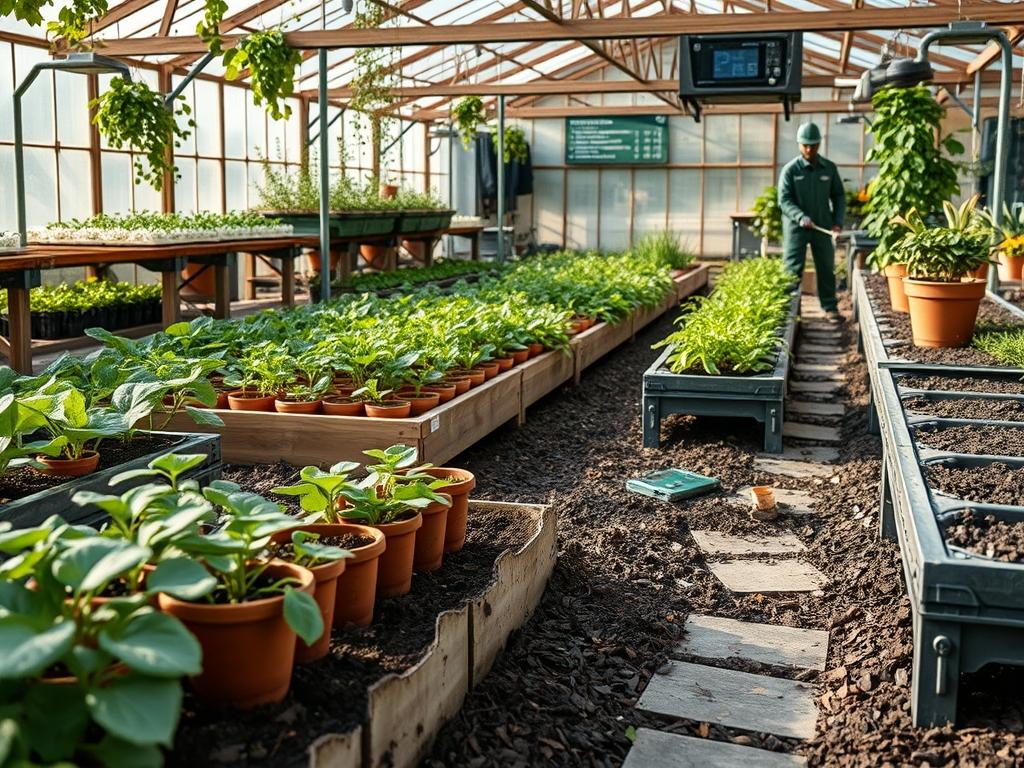
Modern landscape architecture has evolved beyond simple aesthetic arrangement. It is now a complex integration of biological sciences, mechanical engineering, and digital precision. When designing a high end outdoor environment, the greatest challenge often lies in the invisible variables. Factors such as subsurface drainage, soil oxygen levels, and localized microclimates can dictate whether a Japanese Maple thrives or perishes within a single season. Achieving maximum curb appeal and maintaining long term outdoor functionality requires a move away from reactive gardening toward proactive management. This is where the integration of Smart Garden Sensor Tech becomes indispensable. By providing real time data on soil moisture, nutrient levels, and light intensity, these devices allow property owners to make informed decisions that protect their significant investment in greenery and hardscaping.
The climate of a specific parcel is rarely uniform. North facing slopes may retain moisture for days, while areas adjacent to a concrete driveway experience intense heat radiance and rapid evaporation. Traditional irrigation schedules often ignore these variances, leading to wasted water or root rot. Utilizing Smart Garden Sensor Tech transforms a static garden into an intelligent ecosystem. It bridges the gap between the architect’s vision and the biological reality of the site. When we plan a landscape, we focus on the structural integrity of retaining walls and the flow of walkways, but the health of the living elements depends entirely on the stability of the root zone. Sensors act as the central nervous system of the property, alerting the manager to stress factors before they become visible to the eye.
Landscape Design Principles
Successful landscape design relies on a foundation of balance and proportion. Symmetry is often used in formal entryways to create a sense of order and prestige. This involves flanking a focal point, such as a custom water feature or a pair of Boxwood topiaries, with mirrored plantings and hardscape elements. Visual balance, however, does not always require identical sides. Asymmetrical balance uses different weights of color, texture, and height to create a dynamic but stable composition. Elevation layers are critical here. We design in tiers, starting with groundcovers, moving to mid sized shrubs, and finishing with a canopy layer of ornamental trees.
Irrigation planning must be integrated into the design from the very first sketch. We utilize the concept of hydrozoning, which groups plants with similar water requirements together. This efficiency is maximized when Smart Garden Sensor Tech is embedded within each zone. A sensor in a drought tolerant Lavender bed should never trigger the same irrigation response as one buried in a lush Fescue lawn. Furthermore, the design must account for focal points that draw the eye through the space. These could be structural, like a Pergola or a Basalt Column, or botanical, such as a specimen Paperbark Maple. Proper lighting and moisture management ensure these focal points remain vibrant and structurally sound through varying weather patterns.
Walkway design also plays a role in the technical health of the garden. Permeable pavers allow water to infiltrate the soil rather than creating runoff. This keeps the surrounding soil hydrated and reduces the load on the local drainage system. When placing sensors, we position them near these transition zones to monitor how hardscape runoff affects the adjacent soil profiles. This holistic approach ensures that every element of the design supports the longevity of the landscape.
Plant and Material Selection
Selecting the right materials involves more than just color palettes. It requires a deep understanding of the local soil chemistry and light cycles.
| Plant Type | Sun Exposure | Soil Needs | Water Demand | Growth Speed | Maintenance |
| :— | :— | :— | :— | :— | :— |
| English Yew | Full Sun to Shade | Well drained, Neutral | Moderate | Slow | Low |
| Blue Star Creeper | Full Sun / Part Shade | Moist, Acidic | High | Fast | Medium |
| Panicle Hydrangea | Full Sun / Part Shade | Rich, Loamy | Moderate/High | Moderate | Medium |
| Spanish Lavender | Full Sun | Sandy, Gritty | Low | Moderate | Low |
| Red Twig Dogwood | Full Sun / Part Shade | Wet, Clay-Heavy | High | Fast | Low |
| Stonecrop Sedum | Full Sun | Poor, Rocky | Very Low | Slow | Low |
Implementation Strategy
The implementation of a professional landscape begins with site preparation and grading. Grading is the process of sloping the land to ensure water moves away from the foundation of the home and toward appropriate drainage outlets. Use a Transit Level to establish the correct pitch. Once the rough grade is established, we install drainage infrastructure, including French Drains and Catch Basins, to manage heavy rainfall.
Next, we focus on edging and hardscaping. Define the borders of planting beds using Steel Edging or Paver Restraints to prevent grass encroachment. If the design includes Retaining Walls, ensure they are built on a compacted Crushed Stone Base with Perforated Drain Pipe behind the wall to relieve hydrostatic pressure.
When it comes to planting, the hole for each tree or shrub should be twice the width of the root ball but no deeper. This encourages lateral root growth. Before backfilling, this is the ideal time to install Smart Garden Sensor Tech. Place the sensors at the mid root zone depth, usually 6 to 10 inches for shrubs and 12 to 18 inches for trees. After planting, apply a 3 inch layer of Double Shredded Bark Mulch to retain moisture and suppress weeds. Ensure the mulch is kept a few inches away from the trunks of plants to prevent fungal infections.
Common Landscaping Failures
The most frequent failure in high end landscaping is improper drainage. When water is allowed to pool around root systems, it replaces the oxygen in the soil pores, effectively suffocating the plant. This is often caused by heavy clay soils that have been compacted during construction. Another common mistake is root overcrowding. Designing for the plant’s size at the time of installation, rather than its mature spread, leads to a tangled mess that requires expensive thinning or removal within five years.
Improper spacing and depth of sensors can also lead to data inaccuracies. If a sensor is placed too shallow, it will record rapid drying that does not reflect the actual moisture available to the roots. Conversely, if it is placed in a “sump” or a low spot without proper drainage, it may provide a false reading of total saturation for the entire zone. Finally, irrigation inefficiencies often stem from a “set it and forget it” mentality. Even the best Smart Garden Sensor Tech is useless if it is not calibrated to the specific soil type, such as sandy loam versus heavy silt.
Seasonal Maintenance
Landscape management is a year round commitment. Each season requires a specific focus to ensure the technological and biological systems are functioning in harmony.
Spring: This is the season for revitalization. Conduct a soil test to check pH and nutrient levels. Calibrate your Smart Garden Sensor Tech to ensure the probes are clean and providing accurate readings after the winter freeze. Apply a balanced Slow Release Fertilizer and refresh mulch layers. Prune away any winter dieback from ornamental grasses and shrubs.
Summer: Management focuses on moisture stress. Monitor sensor data daily during heatwaves. Deep, infrequent watering is superior to shallow, daily misting as it encourages deep root systems. Check for pests like Aphids or Spider Mites that thrive in heat. Ensure that irrigation emitters are not clogged and that the sensor batteries are fully charged, especially if they are solar powered.
Autumn: Prepare the landscape for dormancy. Reduce irrigation frequency as the evapotranspiration rate drops. This is the best time to plant new trees and shrubs, as the cool air and warm soil promote root establishment. Clean up fallen debris to prevent fungal pathogens from overwintering in the soil.
Winter: Protect the infrastructure. In colder climates, blow out the irrigation lines to prevent pipe bursts. If your Smart Garden Sensor Tech is not rated for extreme freezes, remove the devices and store them indoors. Use Burlap Wraps to protect sensitive evergreens from desiccating winter winds and salt spray.
Professional Landscaping FAQ
What is the best way to choose Smart Garden Sensor Tech?
Select sensors that offer Long Range (LoRaWAN) or Wi-Fi connectivity based on your property size. Ensure they measure volumetric water content, temperature, and electrical conductivity for a complete picture of plant health and soil nutrient levels.
How does soil compaction affect sensor accuracy?
Compacted soil restricts water movement and air pockets. This causes sensors to report inconsistent moisture levels, as water may sit on top of the probe rather than infiltrating. Always aerate compacted areas before installing any sensitive monitoring equipment.
Can sensors help reduce my monthly water bill?
Yes. By providing real time data, sensors prevent overwatering by pausing irrigation when soil moisture is already at capacity. Most users see a reduction in water consumption of 20 percent to 50 percent after implementation.
Where is the most effective place to install a sensor?
Install sensors in “representative” locations. Avoid placing them directly under an irrigation emitter or at the very edge of a bed. Position them in the primary root zone of the most water sensitive plants in that specific hydrozone.
Do these sensors require professional installation?
While many are “plug and play,” professional installation ensures sensors are placed at the correct depth and integrated with your Smart Irrigation Controller. This ensures the data actually triggers the watering system without manual intervention.