
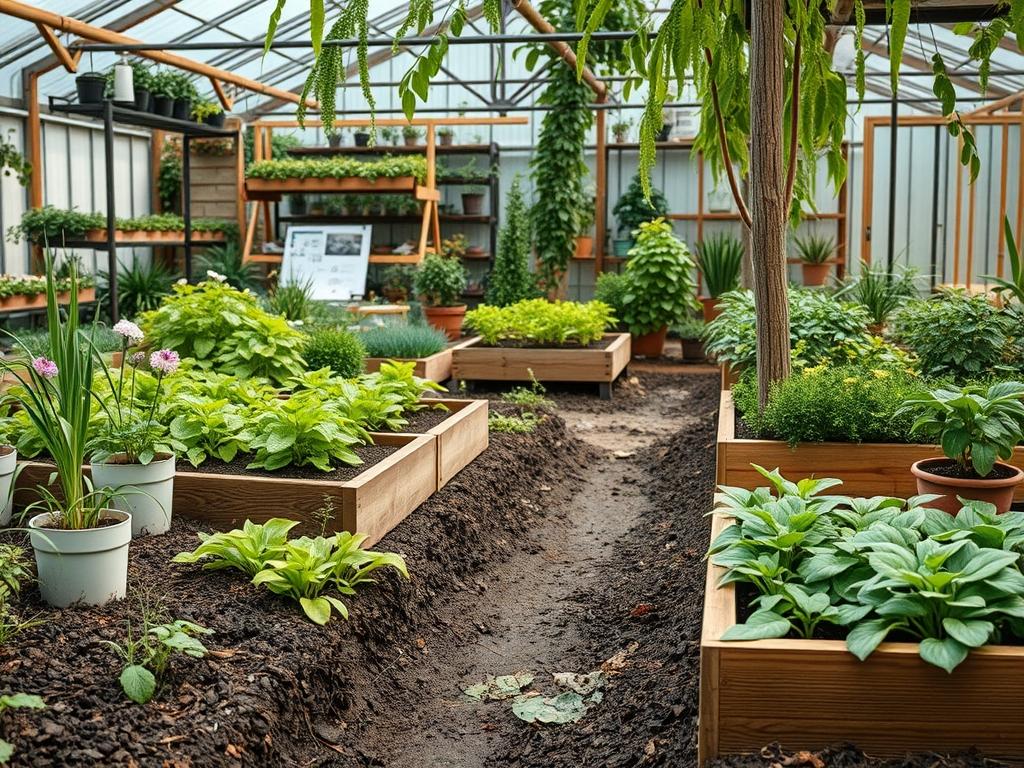
Achieving a cohesive, lush landscape requires more than just a creative eye; it demands a disciplined approach to the intersection of biology and engineering. Homeowners and developers often struggle with the balance between aesthetic curb appeal and the practical realities of local climate variability. Modern outdoor environments must serve as functional extensions of the home while remaining resilient against heat waves or unexpected cold snaps. To bridge this gap, technical precision in water management is paramount. By utilizing detailed Smart Irrigation Design Kits, designers can move beyond guesswork, ensuring that every emitter and PVC lateral line serves a specific botanical purpose. This systematic approach transforms a high maintenance yard into a self sustaining ecosystem that increases property value through intelligent resource management.
Landscape Design Principles
Effective landscape architecture begins with the concept of spatial organization. Symmetry and focal points act as the visual anchors of a property. A well placed Acer palmatum or a structured retaining wall creates a sense of permanence and intention. However, the true success of these visual elements depends on the invisible infrastructure beneath the surface. Planning for elevation changes is critical. If a site has a significant slope, water runoff becomes a primary concern. Designers must use Smart Irrigation Design Kits to map out pressure compensation requirements for different elevations, ensuring that plants at the top of a hill receive the same volume of water as those at the base.
Visual balance is often achieved through layering. This involves placing taller canopy trees at the rear, followed by mid-sized shrubs, and finishing with low lying groundcover. Each layer has unique transpiration rates and root depths. An effective design kit allows the architect to group these plants into specific hydrozones. By clustering plants with similar water needs, you avoid the common pitfall of overwatering drought tolerant species like Lavandula while trying to satisfy the thirst of water intensive Hydrangeas. This zoning logic is the foundation of modern smart systems, which use WiFi-enabled controllers to adjust schedules based on real time weather data.
Walkways and hardscaping elements serve as the circulatory system of the garden. Whether you are using decomposed granite, flagstone pavers, or poured concrete, these surfaces impact the thermal profile of the yard. Hard surfaces radiate heat, increasing the evaporation rate of nearby soil. When drafting your layout with Smart Irrigation Design Kits, you must account for this heat gain by adjusting the spray patterns of pop-up sprinklers to avoid overspray on stone while ensuring the soil perimeter remains sufficiently hydrated.
Plant and Material Selection
| Plant Type | Sun Exposure | Soil Needs | Water Demand | Growth Speed | Maintenance Level |
| :— | :— | :— | :— | :— | :— |
| Buxus sempervirens | Full to Partial | Well-drained | Moderate | Slow | Low |
| Lavandula angustifolia | Full Sun | Sandy/Gritty | Low | Medium | Seasonal |
| Acer palmatum | Partial Shade | Slightly Acidic | High | Slow | Moderate |
| Pennisetum setaceum | Full Sun | Loamy | Low | Fast | Minimal |
| Taxus baccata | Full to Shade | Any | Moderate | Slow | Low |
| Echinacea purpurea | Full Sun | Rich/Organic | Moderate | Fast | Moderate |
Implementation Strategy
The transition from a two dimensional plan to a three dimensional garden requires a rigorous step by step execution. The first phase is always site preparation, which includes grading and drainage assessment. Use a laser level to identify low spots where water might pool. Once the terrain is stabilized, the installation of the irrigation backbone begins. Smart Irrigation Design Kits typically include a master valve, backflow preventer, and pressure regulator. These components must be installed in a dedicated valve box that is easily accessible for future maintenance.
Trenching should follow the primary pathways outlined in your design. For most residential applications, a depth of 8 inches to 12 inches is sufficient for Schedule 40 PVC pipe. When laying out the zones, prioritize the use of drip irrigation for flower beds and rotary nozzles for turf areas. Drip emitters deliver water directly to the root zone, which minimizes evaporation and prevents fungal diseases on the foliage. After the pipes are pressure tested, you can begin the planting process.
Edging provides the crisp definition between lawn and garden beds. Materials like steel edging or composite benders prevent grass from encroaching into mulch zones. Once plants are in the ground, apply a 3-inch layer of organic mulch, such as shredded cedar or pine bark. This layer is vital for moisture retention and temperature regulation. Finally, the smart controller is programmed. Use the data provided in your Smart Irrigation Design Kits to input soil type, plant species, and sun exposure for each zone. This allows the system to calculate the exact evapotranspiration rate and deliver water only when necessary.
Common Landscaping Failures
One of the most frequent errors in landscape design is the failure to account for the mature size of plant material. A frequent mistake involves planting Quercus robur too close to a foundation, which leads to structural damage and root overcrowding. When plants are spaced improperly, they compete for nutrients and water, leading to stunted growth. Smart Irrigation Design Kits help mitigate this by allowing you to visualize the coverage area of each sprinkler head relative to the expected growth of the surrounding flora over a 5-year or 10-year horizon.
Soil compaction is another silent killer of healthy landscapes. During construction, heavy machinery often packs the earth so tightly that oxygen and water cannot reach the roots. This leads to poor drainage and “wet feet” for sensitive species. If the soil is not properly amended with organic compost or gypsum before planting, even the most advanced irrigation system will fail to keep the plants alive. Furthermore, many systems suffer from hydraulic inefficiency. If the GPM (Gallons Per Minute) demand of a zone exceeds the capacity of the main supply line, the resulting pressure drop will cause heads to underperform, leaving dry patches in the landscape.
Seasonal Maintenance
Landscape management is a year round commitment that changes with the cycles of the environment. In the spring, the focus is on reactivation. This involves flushing the irrigation lines, cleaning filters, and checking each nozzle for clogs. It is also the ideal time for pre-emergent herbicide application and light pruning of winter damaged limbs. As the heat of summer arrives, the smart controller should be monitored to ensure it is reacting correctly to high temperatures. Increasing the mulch depth during this period can provide much needed relief to the root systems of ornamental shrubs.
Autumn is the season for restoration and preparation. This is the best time for aeration and overseeding of turf grasses. For the irrigation system, autumn signals the need for winterization. In colder climates, this means using an air compressor to blow out all water from the pipes to prevent freezing and bursting. When winter finally sets in, maintenance shifts toward protection. Applying desiccant sprays to evergreens can prevent windburn, and checking retaining walls for cracks caused by freeze thaw cycles ensures the structural integrity of your hardscaping remains intact for the coming year.
Professional Landscaping FAQ
How do I choose the right irrigation controller?
Select a model that features predictive watering technology. These systems analyze local weather forecasts and soil moisture sensors to adjust schedules automatically. Ensure it is compatible with the number of zones in your specific Smart Irrigation Design Kits.
What is the best way to prevent weeds in new beds?
A combination of landscape fabric and a thick layer of wood chips is effective. However, the most reliable method is maintaining a healthy 3-inch layer of mulch and using pre-emergent granules during early spring and late autumn.
Why are my plants turning yellow despite regular watering?
This is often a sign of overwatering or poor drainage, which causes root rot. Oxygen is blocked from the roots, preventing nutrient uptake. Use your smart sensors to verify if the soil is staying saturated for too long.
Can I mix different types of sprinkler heads in one zone?
No, you should never mix rotary heads with drip emitters or fixed sprays. Each has a different precipitation rate. Mixing them will result in some areas being flooded while others remain completely dry and underwatered.
How often should I test my soil?
Perform a soil pH test every two years. Knowing the acidity or alkalinity of your soil allows you to choose the right fertilizers and amendments, ensuring your plants can actually utilize the water provided by your irrigation system.