
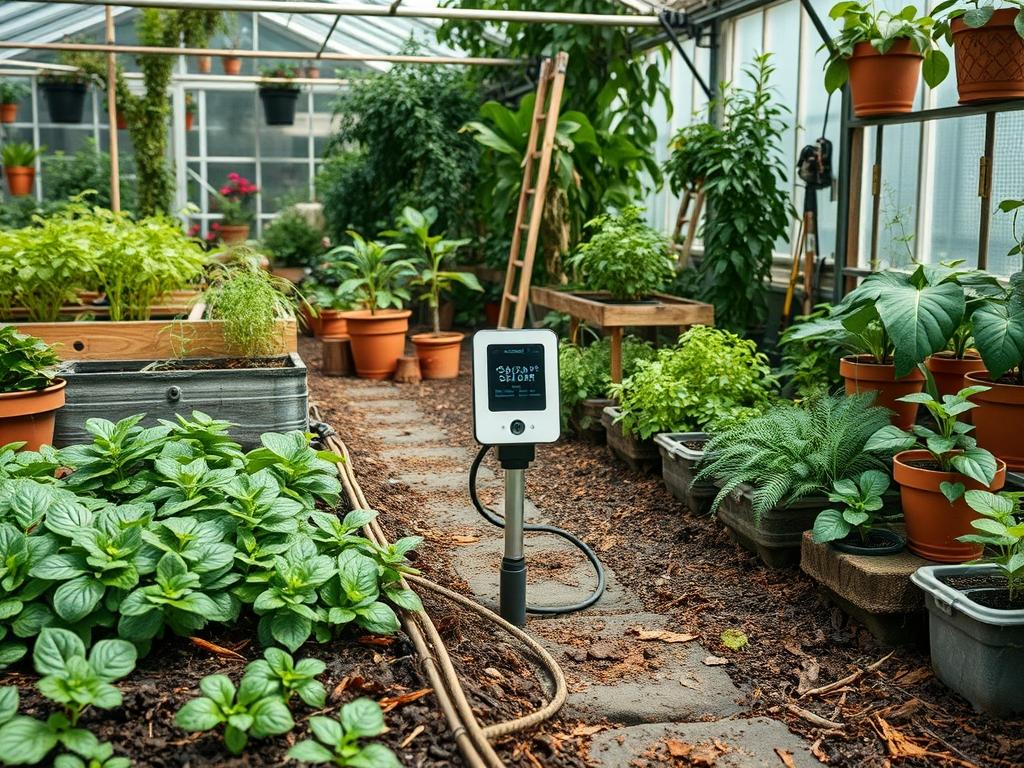
The successful execution of a modern landscape involves a delicate balance between artistic vision and environmental science. A property owner must consider not only the immediate visual impact of their greenery but also the long term sustainability of the ecosystem they are creating. In many regions, shifting climate patterns and unpredictable rainfall make it difficult to maintain peak curb appeal without a data driven approach. This is where a Smart Garden Sensor Guide becomes an essential tool for the professional architect and the serious hobbyist alike. By monitoring soil moisture, sunlight intensity, and nutrient levels, these devices provide the objective data needed to protect a significant financial investment in outdoor living spaces. High end landscaping is a functional extension of the home, requiring precise environmental management to ensure that every Japanese Maple or field of Kentucky Bluegrass thrives in its specific micro climate.
Landscape Design Principles
Professional landscape design relies on a structured framework to create harmony between the built environment and the organic world. Symmetry serves as a primary tool for establishing a sense of order, particularly near entryways where formal lines guide the eye toward architectural features. However, asymmetry can be equally powerful in naturalistic gardens, where the goal is to mimic the effortless beauty of a forest floor. Focal points, such as a Bespoke Stone Fountain or a mature White Oak, anchor the space and provide a visual destination. To achieve depth, architects use elevation layers, placing taller canopy trees at the rear, followed by mid sized shrubs, and finally low lying perennials and groundcovers. This vertical hierarchy creates a sense of enclosure and privacy while maximizing the perceived size of the lot.
Irrigation planning is perhaps the most critical technical aspect of the design phase. A well designed system must account for the different hydrozones within a yard. For instance, a drought tolerant Lavender bed should never be on the same water circuit as moisture loving Hostas. Incorporating a Smart Garden Sensor Guide into the irrigation layout allows for real time adjustments based on actual soil conditions rather than simple timers. Walkways and hardscaping elements like Pavers or Flagstone must be integrated early to ensure proper flow and accessibility. These solid structures provide the “bones” of the garden, offering a permanent contrast to the changing textures of the seasonal foliage. Visual balance is maintained by repeating colors or textures throughout the space, creating a cohesive narrative that ties the entire property together.
Plant and Material Selection
Selecting the right biological components requires an understanding of the site specific conditions. The following table outlines several popular choices and their cultural requirements.
| Plant Type | Sun Exposure | Soil Needs | Water Demand | Growth Speed | Maintenance Level |
| :— | :— | :— | :— | :— | :— |
| Boxwood Shrub | Full Sun to Shade | Well Drained, Neutral | Moderate | Slow | Medium |
| Purple Coneflower | Full Sun | Lean to Rich | Low | Fast | Low |
| Maiden Grass | Full Sun | Adaptable/Moist | Moderate | Fast | Low |
| Hydrangea | Partial Shade | Rich, Organic | High | Moderate | High |
| Creeping Thyme | Full Sun | Sandy, Gritty | Low | Moderate | Low |
| Azalea | Dappled Shade | Acidic, Loamy | Moderate | Slow | Medium |
Beyond greenery, material selection defines the durability of the landscape. Using Long Leaf Pine Straw provides a natural look that acidifies the soil, while Crushed Granite offers a modern, high drainage solution for paths. When choosing Retaining Wall Blocks, ensure they are rated for the specific load and height requirements of your terrain to prevent structural failure.
Implementation Strategy
The transition from a blueprint to a finished garden requires a systematic implementation strategy. The first and most vital step is grading. Before a single plant is placed, the land must be sculpted to direct water away from the home foundation. A slope of at least Two Percent is generally recommended for effective runoff. Once the grade is established, hardscaping elements such as Boulders, Decks, and Retaining Walls are installed. These heavy components require stable footings, often involving a base of Six Inches of compacted Crushed Stone to prevent settling over time.
Following the structural work, the focus shifts to soil preparation. Testing the pH and nutrient levels is mandatory; adding Organic Compost or Peat Moss can rectify many deficiencies. When planting, the hole should be twice as wide as the root ball but no deeper. For larger specimens, a Long Handled Spade and a Sturdy Wheelbarrow are indispensable tools. Edging serves as the final touch in the layout, creating a crisp boundary between turf and garden beds. A depth of Four Inches for a metal or plastic edge prevents grass roots from encroaching into the mulch. Finally, apply a layer of Hardwood Mulch at a depth of Three Inches to regulate soil temperature and suppress weeds. This layer acts as a protective blanket, preserving the moisture that your Smart Garden Sensor Guide helps you monitor.
Common Landscaping Failures
Many projects fail due to a lack of foresight regarding the growth of biological assets. Root overcrowding is a frequent mistake where plants are spaced according to their size at the nursery rather than their mature dimensions. Over five years, what looked like a balanced bed can become a tangled, competitive mess that chokes out sunlight and air circulation. Drainage mistakes are equally catastrophic. If water is allowed to pool near the base of sensitive species, root rot can kill a mature plant in a single season. The use of a French Drain or a Dry Well can mitigate these risks in low lying areas.
Soil compaction is another silent killer, often caused by heavy machinery during the construction phase. Compacted soil lacks the pore space necessary for oxygen to reach the roots, leading to stunted growth. Furthermore, irrigation inefficiencies often result from a “set it and forget it” mentality. Even the most expensive spray heads will fail if they are not adjusted as the plants grow or if they are scheduled to run during a rainstorm. Utilizing a Smart Garden Sensor Guide ensures that you are aware of these inefficiencies before they cause irreversible damage to the landscape.
Seasonal Maintenance
Landscape management is a year round commitment that changes with the tilt of the earth. In the spring, the focus is on awakening the garden. This involves removing winter debris, applying a Pre-emergent Herbicide, and pruning dead wood from summer flowering shrubs. It is also the ideal time to test your irrigation system for leaks or clogged nozzles. Summer maintenance is primarily about hydration and head management. During peak heat, a thick layer of mulch helps retain moisture, and monitoring sensors becomes critical to prevent wilting.
Autumn is the season for restoration and preparation. Aerating the Turfgrass and applying a layer of Top Dressing helps the lawn recover from summer stress. It is also the best time for planting new trees, as the cooler air and warm soil encourage root development before the ground freezes. In winter, maintenance shifts to protection. Wrapping sensitive plants in Burlap or applying a Wilt Pruf spray can prevent desiccation from cold winds. It is also the time to service power tools like Lawn Mowers and Leaf Blowers so they are ready for the spring rush.
Professional Landscaping FAQ
How do soil sensors improve plant longevity?
Sensors provide real time data on moisture and salinity levels. This allows property owners to prevent both overwatering and dehydration, which are the leading causes of plant death. Precision irrigation ensures that root systems remain healthy and resilient against environmental stressors.
What is the best way to prevent weeds?
A combination of mechanical and chemical barriers is most effective. Using a Heavy Duty Weed Barrier fabric under mulch and maintaining a consistent Three Inch layer of wood chips will suppress most seeds. Regular application of a pre-emergent prevents remaining seeds from germinating.
When should I hire a professional for grading?
If your property has significant slopes or if water pools near your house after a light rain, professional intervention is necessary. Correcting drainage requires heavy machinery like a Skid Steer and precise laser levels to ensure water flows to a safe exit point.
How often should I test my soil pH?
Soil chemistry should be evaluated every two to three years. This is especially important if you notice yellowing leaves or stunted growth despite proper watering. Adjusting the pH with Lime or Sulfur ensures that nutrients are bioavailable to the plants.
What are the benefits of using native plants?
Native Plants are evolved to thrive in your specific climate and soil conditions without excessive fertilizers or supplemental water. They also provide essential habitats for local pollinators, making your garden a functional part of the surrounding ecosystem while reducing maintenance requirements.