
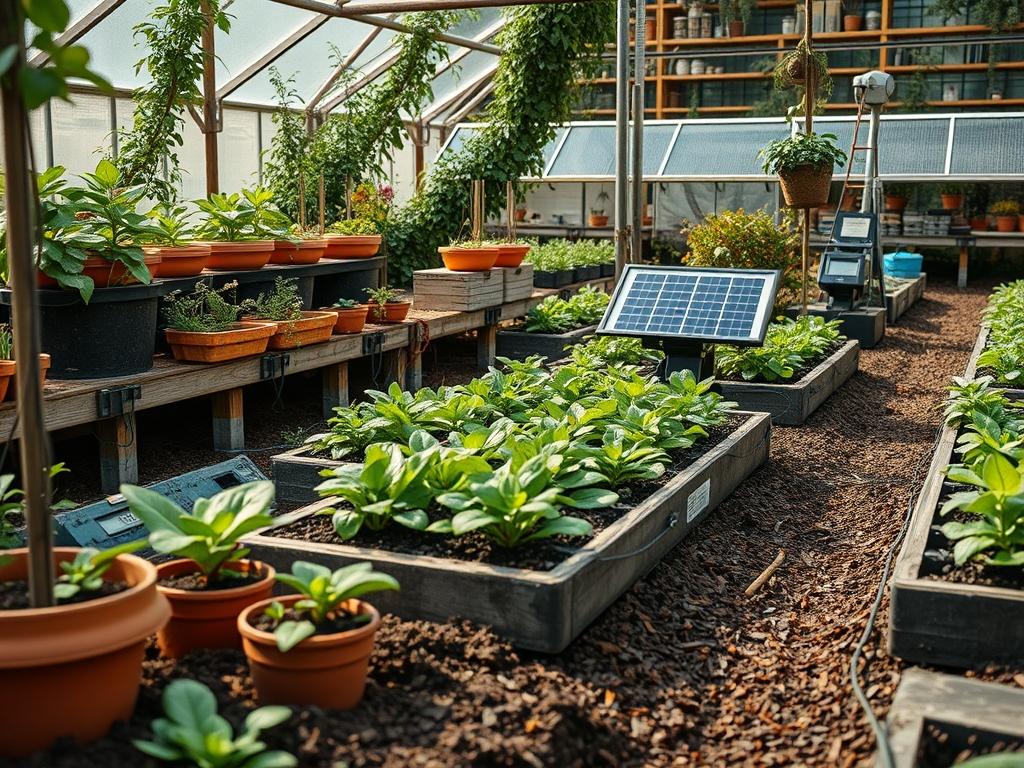
Modern landscape architecture is currently undergoing a significant shift as property owners move away from high-maintenance, energy-dependent exterior environments. The primary challenge for any consultant is balancing the aesthetic desire for evening ambiance and lush growth with the practicalities of electrical installation and water conservation. Traditionally, adding lighting or automated irrigation required extensive trenching, which often disturbed established root systems and increased labor costs. Today, the integration of solar powered garden tech allows for a modular, non-invasive approach to design. By leveraging photovoltaic cells, we can now provide high-intensity illumination and precision moisture control without the need for a single conduit. This evolution not only enhances curb appeal by allowing for more creative light placement but also aligns with the broader goals of sustainability and reduced site disturbance.
Effective landscape design starts with the fundamental principle of site analysis. We must evaluate the trajectory of the sun throughout the seasons to determine where solar panels will be most effective. A residential or commercial property is more than a collection of plants; it is a series of interconnected systems where elevation, drainage, and visual balance must work in harmony. In a solar-integrated environment, we look at the yard as a power grid. Microclimates created by the shadows of the primary structure or large canopy trees dictate whether a solar-powered irrigation sensor or a high-efficiency spotlight will function at peak capacity. By planning for these variables early, we ensure that the outdoor living space remains functional through the night and resilient during periods of drought.
Landscape Design Principles
Symmetry and visual balance serve as the bedrock of a professional landscape. When we design focal points, we are often drawing the eye toward a specific specimen tree or a stone feature. Solar powered garden tech enhances these focal points by providing uplighting that can be repositioned as the plant matures. This flexibility is impossible with hard-wired systems. Elevation layers also play a critical role. A well-designed garden utilizes low-lying groundcovers, mid-level shrubs, and high-canopy trees to create depth. By placing solar path markers at the ground level and solar-powered motion sensors at the mid-level, we define these layers even after sunset.
Irrigation planning is another pillar of modern design. The use of solar-powered timers and moisture sensors allows for a decentralized system. Instead of one massive pump, we can use smaller, solar-assisted zones that respond to the specific soil needs of each garden bed. Walkways should be designed not just for transit but as a guide through the visual narrative of the space. Integrating solar pavers directly into the hardscape provides a seamless look that avoids the clutter of protruding fixtures. Visual balance is maintained by ensuring that the “Dark Sky” initiative is respected; we use shielded solar lights that aim downward to prevent light pollution while still providing safe passage and architectural highlights.
Plant and Material Selection
The following table outlines high-performance plant species and materials that complement a modern, solar-integrated landscape. These selections are chosen for their resilience and their ability to thrive alongside technological implementations like automated drip lines.
| Plant Type | Sun Exposure | Soil Needs | Water Demand | Growth Speed | Maintenance Level |
| :— | :— | :— | :— | :— | :— |
| Lavandula angustifolia | Full Sun | Well-drained, sandy | Low | Moderate | Low |
| Miscanthus sinensis | Full Sun to Partial | Loamy, moist | Moderate | Fast | Moderate |
| Echinacea purpurea | Full Sun | Rich, well-drained | Low | Moderate | Low |
| Taxus baccata | Shade to Full Sun | Any, well-drained | Moderate | Slow | Low |
| Sedum spectabile | Full Sun | Sandy, poor soil | Very Low | Moderate | Very Low |
| Buxus sempervirens | Partial Sun | Moist, loamy | Moderate | Slow | High (Pruning) |
In addition to plant life, material selection is vital. We utilize landscape fabric of at least 5 ounces per square yard to prevent weed growth under mulch layers. For hardscaping, natural flagstone or decomposed granite provides a stable base for solar-powered furniture or decorative sculptures. When installing retaining walls, we incorporate perforated drainage pipe behind the structure to prevent hydrostatic pressure from damaging the solar-powered sensors often embedded in the masonry.
Implementation Strategy
A successful backyard layout begins with professional grading. We must ensure that the ground slopes away from the foundation at a minimum of 2 percent to facilitate proper drainage. Once the grade is established, we mark the perimeters of the garden beds using a marking wand and inverted spray paint. This visual guide allows the client to see the flow of the design before any soil is moved. For the installation of solar powered garden tech, we prioritize positioning the central collectors in areas that receive at least 6 hours of direct sunlight.
Edging is the next step. We prefer 14-gauge steel edging or thick poly-composite boards to create sharp, clean lines between the turf and the planting beds. Once the borders are set, we excavate planting holes at twice the width of the root ball. Before placing the plants, we mix organic compost into the backfill to encourage rapid root establishment. After planting, a 3-inch layer of hardwood mulch is applied to retain moisture. This is when we install the solar-powered irrigation controllers. These units are mounted on 4-foot wooden posts or integrated into the retaining walls to ensure they are above the foliage line and can receive an unobstructed signal from the sun.
Common Landscaping Failures
The most frequent mistake in modern landscaping is poor drainage. Even the most advanced solar-powered sensors will fail if they are submerged in standing water due to a lack of proper site grading. Another common error is root overcrowding. Designers often plant for immediate impact without considering the mature spread of a species. This leads to competition for nutrients and eventually causes the death of the less aggressive plants. Improper spacing also shades out solar panels that were originally placed in the sun, leading to a failure of nighttime lighting systems.
Soil compaction is a silent killer in new constructions. Heavy machinery often packs the earth so tightly that roots cannot penetrate and water cannot infiltrate. We recommend using a core aerator or a broadfork to loosen the soil before any planting begins. Irrigation inefficiencies also plague many yards. Using a “one size fits all” approach results in overwatering native plants that prefer dry feet while underwatering high-demand species. Solar powered garden tech solves this by allowing for localized, sensor-based watering, but only if the designer takes the time to calibrate the system to the specific needs of each zone.
Seasonal Maintenance
Landscape management is a year-round commitment. In the spring, the focus is on cleanup and preparation. This involves removing winter debris, checking the integrity of retaining walls, and cleaning the surfaces of all solar panels with a soft cloth and distilled water to ensure maximum energy absorption. This is also the time to apply a fresh layer of mulch and test the solar-powered irrigation pumps before the heat of summer arrives.
Summer maintenance is primarily about water management and pruning. We monitor the solar-powered moisture sensors to ensure they are responding to the increased evaporation rates. As plants like Lavandula and Echinacea bloom, deadheading is required to encourage a second flush of flowers. In autumn, we prepare the garden for dormancy. This includes planting new native plants while the soil is still warm and cutting back ornamental grasses like Miscanthus. Finally, in winter, we protect sensitive equipment. While many solar units are weather-resident, removing batteries from handheld tools and ensuring that solar path lights are not buried under heavy snow will extend the lifespan of your investment.
Professional Landscaping FAQ
How do solar lights handle cloudy weather?
Most professional-grade solar units include high-capacity lithium-ion batteries. These cells store enough energy during low-light days to power the LED fixtures for several nights, though the intensity may slightly decrease during prolonged periods of heavy overcast or storm activity.
Do solar irrigation systems provide enough pressure?
Solar pumps are highly effective for drip irrigation and micro-sprinklers. For large-scale turf areas requiring high-pressure rotors, a hybrid system is often best, but for most garden beds and raised planters, solar-powered pumps offer sufficient flow for consistent hydration.
Where should I place solar sensors for the best results?
Position sensors in a location that represents the average moisture level of the entire zone. Avoid placing them directly under a drip emitter or in a low spot where water naturally collects, as this will result in inaccurate readings.
How long do the batteries in solar garden tech last?
Under normal conditions, the rechargeable batteries in high-quality solar units last between 2 to 4 years. Replacing these batteries is a simple maintenance task that prevents the need to replace the entire fixture, making the system highly sustainable.
Can solar tech be integrated into existing hardscapes?
Yes; many solar fixtures are designed for retrofitting. Solar-powered cap lights can be added to existing stone pillars, and thin solar pavers can be laid over old concrete walkways using a thin-set mortar or high-strength construction adhesive for a modern upgrade.