
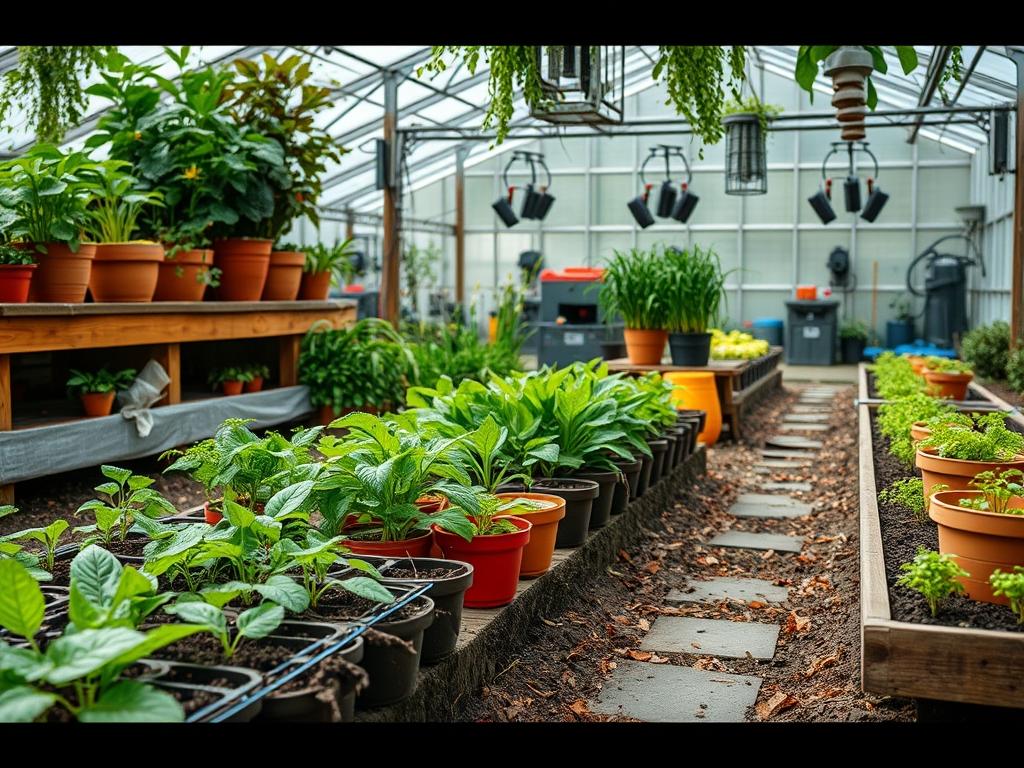
Creating a cohesive outdoor environment requires more than just an aesthetic eye; it demands a deep understanding of the intersection between botany and engineering. Modern landscaping has evolved into a discipline that balances curb appeal with environmental responsibility. Homeowners and developers now prioritize functional spaces that withstand regional climate shifts while minimizing resource waste. The integration of technology into the natural world is no longer optional. It is the standard for anyone seeking a resilient and vibrant garden. Success begins with a comprehensive site analysis that considers sunlight patterns, wind exposure, and the natural topography of the land. By focusing on these elements, a landscape architect can create a master plan that enhances property value and provides a sanctuary for the inhabitants.
The challenge often lies in maintaining the health of the greenery after the initial installation. Without a rigorous approach to hydration and soil management, even the most expensive specimens will eventually fail. This is where advanced planning becomes essential. Utilizing precise data allows for the creation of a landscape that thrives on its own terms. Incorporating Smart Irrigation Tool Tips enables property owners to harmonize their watering schedules with the actual needs of the soil, preventing the common mistakes of over-saturation or extreme dehydration. A well designed landscape is a living investment that, when managed correctly, yields dividends in both beauty and psychological well-being.
Landscape Design Principles
Effective landscape design is rooted in the concepts of balance and proportion. Symmetry is frequently used to frame an entryway or highlight a specific architectural feature of a residence. For example, placing two identical Boxwood shrubs on either side of a front door creates a formal, welcoming atmosphere. However, asymmetrical balance can be equally powerful. This involves using different elements that hold similar visual weight, such as a large Oak tree on one side of a yard balanced by a dense cluster of Hydrangeas and a stone bench on the other. Visual balance ensures that no single area of the garden feels heavier or more cluttered than the rest, allowing the eye to move naturally through the space.
Focal points are the anchors of the outdoor room. These can be natural, such as a majestic Japanese Maple, or structural, like a tiered stone fountain or a modern fire pit. To maximize the impact of a focal point, the surrounding vegetation should serve as a frame. Elevation layers further enhance this effect by adding depth to the visual plane. A professional designer typically organizes plants into three distinct tiers: the foreground, the midground, and the background. Low climbing groundcovers or Creeping Thyme might occupy the foreground, while mid-sized perennials and shrubs fill the middle layer. The background is reserved for privacy screening and height, often utilizing tall evergreens like Arborvitae.
Strategic walkways and hardscaping provide the necessary transitions between these botanical layers. Materials such as Flagstone, Pavers, or Crushed Granite define the circulation paths within the garden. These paths should lead people toward focal points or seating areas, creating a sense of discovery. Beyond the visible design, irrigation planning must be woven into the very first draft. By aligning the layout of the pipes and Drip Emitters with the specific hydrozones of the garden, you ensure that every plant receives the correct volume of water. Following Smart Irrigation Tool Tips during the design phase ensures that the hardscaping does not interfere with the accessibility of the subterranean irrigation components.
Plant and Material Selection
| Plant Type | Sun Exposure | Soil Needs | Water Demand | Growth Speed | Maintenance Level |
| :— | :— | :— | :— | :— | :— |
| Lavandula angustifolia | Full Sun | Well-drained, Sandy | Low | Moderate | Low |
| Acer palmatum | Partial Shade | Loamy, Acidic | Moderate | Slow | Moderate |
| Buxus sempervirens | Full to Partial | Neutral, Moist | Moderate | Slow | High |
| Echinacea purpurea | Full Sun | Versatile | Low | Fast | Low |
| Festuca glauca | Full Sun | Dry, Sandy | Low | Fast | Low |
| Hydrangea macrophylla | Shade/Partial | Rich, Moist | High | Moderate | Moderate |
Implementation Strategy
The transition from a blueprint to a physical landscape requires a disciplined implementation strategy. The first and most critical step is site grading. Proper grading ensures that water flows away from the foundation of the home and toward appropriate drainage areas. A minimum 2 percent slope is generally recommended for turf areas to prevent ponding. Once the land is shaped, the installation of hardscape elements like Retaining Walls and patios should occur. These structures provide the “bones” of the landscape. They must be set on a compacted base of Gravel and Sand to prevent shifting during freeze-thaw cycles or heavy rains.
After the hardscape is in place, attention shifts to the soil. Amending the existing earth with Organic Compost improves nutrient availability and water retention. When it is time to plant, the hole for each specimen should be twice as wide as the root ball but no deeper. This encourages outward root growth. Edging is then installed to create a clean boundary between garden beds and lawn areas. Using Steel Edging or Brick Pavers prevents grass from encroaching into the mulch beds. Finally, a layer of Hardwood Mulch at a depth of 3 inches should be applied. This suppresses weeds and maintains soil moisture, which is essential for young plants as they establish their root systems.
Common Landscaping Failures
Failure in the landscape often stems from a lack of foresight regarding the growth habits of plants. Root overcrowding is a frequent issue where trees are planted too close to walkways or foundations. Over time, the expanding root systems can lift Concrete Slabs or crack Retaining Walls. To avoid this, research the mature spread of a species before digging. Soil compaction is another silent killer of garden health. Heavy foot traffic or machinery can press the air out of the soil, suffocating roots and preventing water infiltration. Aerating the lawn annually and using designated paths for movement can mitigate this risk.
Irrigation inefficiencies represent one of the most significant failures in modern gardening. Many systems are set to a fixed timer that does not account for rainfall or humidity levels. This leads to water waste and fungal diseases caused by oversaturation. By listening to professional Smart Irrigation Tool Tips, gardeners can implement Rain Sensors and Soil Moisture Probes. These tools provide the accuracy needed to skip watering cycles when the ground is already saturated. Furthermore, poor drainage can lead to “wet feet” for plants that require dry conditions. Installing a French Drain or a dry creek bed can redirect excess water and turn a problematic, soggy corner into a functional design element.
Seasonal Maintenance
Landscape management is a year round commitment that changes with the weather. In the spring, the focus is on renewal. This is the time to prune dead wood from shrubs, apply a fresh layer of Mulch, and fertilize the lawn as it wakes up from dormancy. It is also the ideal window to inspect the irrigation system for any leaks or clogged Nozzles that may have occurred during the winter. As the heat of summer arrives, the priority shifts to hydration management. Monitoring the evapotranspiration rates and adjusting the watering frequency is vital. This is the season where Smart Irrigation Tool Tips become most valuable, as they help calibrate the system to provide deep, infrequent watering that encourages deep root growth.
Autumn is the season for preparation and planting. The cooler temperatures and increased rainfall provide the perfect environment for new trees and perennials to establish themselves before the ground freezes. It is also time to clear fallen leaves, which can harbor pests and mold if left to mat down on the grass. Finally, winter maintenance involves protection. In colder climates, wrapping sensitive evergreens in Burlap can prevent wind burn. Disconnecting hoses and blowing out the irrigation lines is necessary to prevent pipes from bursting. By following a structured seasonal calendar, the landscape remains resilient and prepared for the next growing cycle.
Professional Landscaping FAQ
How often should I adjust my irrigation controller?
Ideally, adjustments should be made monthly to reflect seasonal temperature changes. Using Smart Irrigation Tool Tips and weather-based controllers automates this process by syncing with local weather stations to provide precise watering increments daily.
What is the best way to prevent weeds without chemicals?
Maintaining a thick layer of Organic Mulch to a depth of 3 inches is highly effective. Additionally, planting high-density groundcovers allows the desired vegetation to outcompete weeds for sunlight, nutrients, and space within the garden beds.
How do I determine my soil type at home?
You can perform a simple ribbon test. Squeeze a handful of moist soil into a ball. If it crumbles, it is sandy. If it forms a long, flexible ribbon, it is clay. Loamy soil will hold its shape briefly.
Why are my plants turning yellow despite regular watering?
Yellowing often indicates over-watering or poor drainage, which causes root rot. Check the soil moisture levels with a Soil Probe. If the ground is consistently saturated, reduce the frequency of your irrigation cycles immediately.
When is the best time of day to water my landscape?
Between 4:00 AM and 10:00 AM is the optimal window. This allows the water to soak into the root zone before the sun increases evaporation rates while ensuring the foliage dries out quickly to prevent fungal growth.