
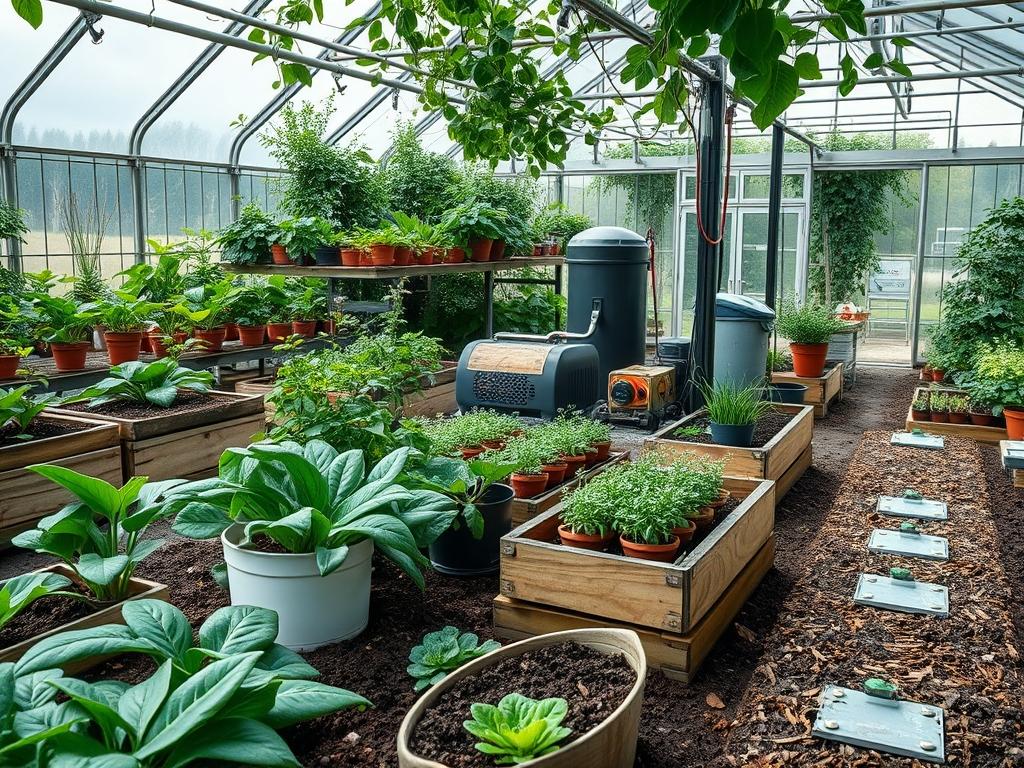
Integrating a robust Automated Garden Power Setup is the definitive step in transitioning from a traditional backyard to a sophisticated outdoor living environment. For the modern homeowner, the challenge lies in harmonizing the organic unpredictability of nature with the rigid requirements of electrical infrastructure. A successful landscape design must account for climate-specific stressors such as heavy rainfall, frost heave, and high-intensity UV exposure, all of which can compromise poorly planned power systems. Beyond simple aesthetics, the integration of power into the landscape enhances curb appeal through choreographed lighting and sustains health via precision-timed irrigation. The goal of a senior landscape architect is to ensure that these technological enhancements remain invisible but highly functional. This requires a deep understanding of how power flows through a site, ensuring that the Outdoor Living Area serves as a seamless extension of the interior home environment while maintaining structural integrity.
Landscape Design Principles
Effective landscaping begins with a structural hierarchy that directs the eye through the space. Symmetry plays a vital role in formal designs, where balanced rows of Boxwood or Arborvitae frame a central axis. In more naturalistic settings, visual balance is achieved through the careful distribution of mass and void. Focal points, such as a high-end water feature or a designer fire pit, provide the anchor for an Automated Garden Power Setup. These areas require dedicated circuits to handle the load of pumps, igniters, and ambient lighting controllers.
Elevation layers add depth and complexity to the garden. By utilizing Retaining walls, designers can create terraced zones that separate active entertaining areas from quiet, secluded retreats. These changes in height also provide strategic opportunities for hiding PVC conduits and Junction boxes. Irrigation planning must be entwined with the terrain; high-elevation zones require different pressure settings than low-lying areas to prevent runoff. Furthermore, walkways should not only serve as transitions but also as utility corridors. Integrating LED path lights into the edge of a Paver walkway allows for safety and ambiance without cluttering the visual field with exposed wires.
Plant and Material Selection
The following table outlines high-performance selections that complement a technologically advanced landscape. These species are chosen for their resilience around electrical infrastructure and their ability to thrive in managed environments.
| Plant Type | Sun Exposure | Soil Needs | Water Demand | Growth Speed | Maintenance |
| :— | :— | :— | :— | :— | :— |
| English Boxwood | Full to Partial | Well-drained | Moderate | Slow | Low |
| Lavender | Full Sun | Sandy/Gravelly | Low | Fast | Medium |
| Panicle Hydrangea | Partial Sun | Rich/Loamy | High | Moderate | Medium |
| Tall Fescue | Full to Partial | Standard | Consistent | Fast | High |
| Blue Star Juniper | Full Sun | Well-drained | Very Low | Slow | Low |
| Creeping Thyme | Full Sun | Well-drained | Low | Moderate | Low |
Implementation Strategy
Executing a professional garden layout begins with precise site grading. Proper slope ensures that water moves away from the home foundation and away from Sub-panels or Smart Transformers. Before any plants are placed in the ground, a comprehensive map of the Automated Garden Power Setup must be finalized. This involves Trenching to a depth of at least 18 inches for standard voltage lines, though Low-voltage lighting cables can often be buried at a shallower 6 inch depth. Using a Trenching tool ensures clean lines that do not disturb the root systems of existing trees.
Once the infrastructure is laid, focus shifts to edging and soil preparation. Steel edging provides a crisp barrier between turf and planting beds, preventing grass from invading the technical zones. When backfilling trenches, ensure that the soil is not overly compacted, as this can lead to drainage issues later. A layer of Landscaping fabric may be used in non-planting zones, followed by a minimum of 3 inches of Organic mulch or Decorative stone. This mulch depth is critical for moisture retention and weed suppression, but it also serves as a protective thermal blanket for buried electronics. Hardscaping elements, such as Natural stone patios or Decks, should be installed simultaneously with the wiring to ensure that outlets are placed exactly where furniture or accessories will sit.
Common Landscaping Mistakes
The most frequent failure in outdoor design relates to drainage. If the site is not graded correctly, water will pool in low spots, potentially submerging GFCI outlets or drowning the root balls of expensive specimens. This is often exacerbated by soil compaction during the construction phase, where heavy machinery destroys the soil structure, leaving it impenetrable to water.
Another common error is improper spacing. Homeowners often plant for immediate impact, forgetting the mature width of the species. When plants are crowded, they compete for nutrients and air circulation, leading to fungal diseases and pest infestations. In the context of an Automated Garden Power Setup, root overcrowding can actually displace underground conduits or crush irrigation lines. Furthermore, irrigation inefficiencies often stem from “set and forget” timers that do not account for rainfall. Without Smart Weather Sensors, an automated system may water the garden during a storm, wasting resources and potentially damaging plants sensitive to overwatering.
Seasonal Maintenance
Managing a landscape requires a rhythmic approach that changes with the weather. In the spring, the primary focus is on awakening the system. This includes testing the Irrigation valves, checking for leaks caused by winter freezes, and applying a fresh layer of Mulch to keep the soil cool as temperatures rise. Pruning should be done to clear any growth that has started to obstruct Motion sensors or Smart cameras.
Summer maintenance shifts toward water management and nutrient delivery. The Automated Garden Power Setup should be calibrated to deliver water in the early morning hours to minimize evaporation. Deadheading spent blooms on Perennials ensures continued flowering and keeps the garden looking polished.
Autumn is the season for preparation. Clear fallen leaves from Drainage grates and French drains to prevent winter flooding. This is also the ideal time to inspect all outdoor wiring for insulation cracks or damage from rodents. If you live in a climate with hard freezes, winterizing the irrigation system by blowing out the lines with compressed air is non-negotiable.
During the winter months, the landscape rests, but the power system remains active for security and aesthetic lighting. Ensure that Transformer housings are clear of snow and ice. This is the best time to review the performance data from your smart controllers to plan for upgrades or adjustments in the coming spring.
Professional Landscaping FAQ
How deep should I bury my garden power cables?
For standard 120 volt lines, use PVC conduit buried at least 18 inches deep. Low voltage lighting cables, typically 12 or 24 volts, are safe at 6 inches deep. Always check local building codes before digging your trenches.
What is the best way to hide outdoor power outlets?
Integrate outlets into Retaining walls or use Mock rock covers that blend with the natural environment. Discreet placement behind dense evergreen shrubs like Boxwood ensures accessibility without compromising the visual flow of your landscape design.
Can I run irrigation and power in the same trench?
It is generally discouraged. However, if necessary, maintain a minimum of 6 to 12 inches of vertical or horizontal separation between Water lines and Electrical conduits. This prevents accidental damage to the power lines during future irrigation repairs.
Does mulch affect my automated power system?
A thick layer of Hardwood mulch protects buried cables from temperature extremes and UV degradation. However, ensure that mulch does not cover Air vents on transformers or sensors, as this can lead to overheating or false readings.
What are the signs of soil compaction in my garden?
Visible signs include standing water, stunted plant growth, and difficulty inserting a Garden trowel into the earth. If compaction occurs near your Automated Garden Power Setup, it may cause shifting that stresses your underground electrical connections.