
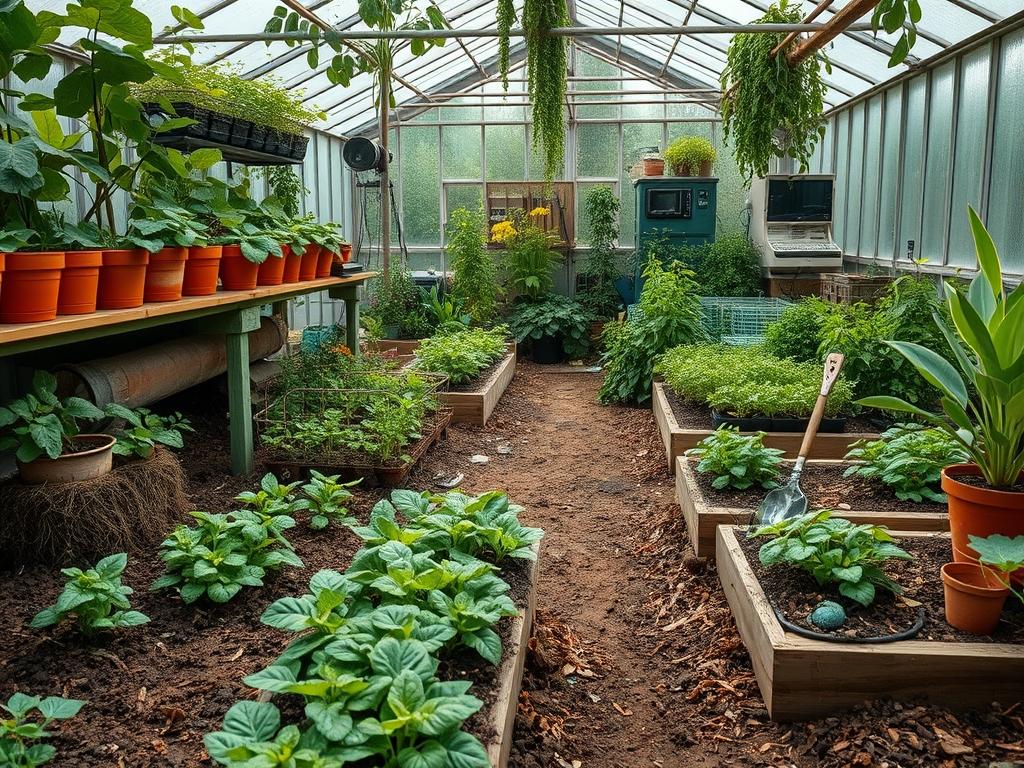
Modern landscaping demands a synthesis of aesthetic precision and technological efficiency. As outdoor environments become increasingly complex extensions of the home, the challenge for the modern property owner lies in maintaining lush, high-performing gardens while contending with fluctuating climate patterns. Achieving professional-grade curb appeal is no longer solely a matter of manual labor; it requires a strategic approach to outdoor functionality. A well-designed landscape not only increases property value but serves as a resilient ecosystem that manages stormwater, provides cooling through transpiration, and offers a seamless transition from interior to exterior living spaces. Success in this arena depends on understanding local climate variables, soil architecture, and the integration of Smart Garden Automation Hacks that streamline maintenance and optimize resource consumption.
Landscape Design Principles
Professional landscape architecture begins with an analysis of site conditions, with a primary focus on visual balance and functional flow. Symmetry and focal points act as the anchors of a design, guiding the eye toward specific architectural features or natural vistas. When planning a layout, one must consider elevation layers. This involves placing taller specimens like Quercus virginiana or Acer palmatum at the rear to create a backdrop, while layering down to mid-sized shrubs and low-lying groundcovers near the foreground. This hierarchical planting approach adds depth and interest, ensuring the garden feels immersive rather than flat.
Visual balance is further achieved through the careful placement of walkways and hardscaping. Pavers and flagstone paths should not merely connect two points, they should complement the natural contours of the land. Irrigation planning must happen concurrently with the aesthetic design. Grouping plants by their water requirements, a practice known as hydro-zoning, allows for more efficient automation. This prevents the common mistake of overwatering drought-tolerant Lavender while underwatering thirsty Hydrangeas. By aligning irrigation zones with specific plant needs and elevation changes, you create a sustainable environment that survives peak summer heat without excessive water waste.
Plant and Material Selection
Selecting the right materials and biological components is the foundation of a low-maintenance, high-impact garden. The following table provides a breakdown of professional-grade selections for varied landscape roles.
| Plant Type | Sun Exposure | Soil Needs | Water Demand | Growth Speed | Maintenance Level |
| :— | :— | :— | :— | :— | :— |
| Buxus sempervirens (Boxwood) | Full Sun to Shade | Well-Drained | Moderate | Slow | Medium (Requires Pruning) |
| Lavandula angustifolia | Full Sun | Sandy/Gravelly | Low | Moderate | Low |
| Panicum virgatum (Switchgrass) | Full Sun | Adaptable | Low | Fast | Low |
| Thymus praecox (Creeping Thyme) | Full Sun | Well-Drained | Low | Moderate | Very Low |
| Acer palmatum (Japanese Maple) | Partial Shade | Rich/Moist | Moderate | Slow | Low |
| Liriope muscari | Sun to Shade | Adaptable | Moderate | Fast | Low |
Implementation Strategy
To achieve professional results, the implementation of your landscape must follow a rigorous technical sequence. One of the most critical steps is grading. Ensure the land slopes away from the home foundation at a minimum of a 2 percent grade to facilitate proper drainage. Once the skeleton of the garden is established, integrate these ten Smart Garden Automation Hacks to elevate the performance of your outdoor space.
First, install a predictive weather-based smart controller. These systems use local Wi-Fi data to skip watering cycles if rain is in the forecast, saving thousands of gallons annually. Second, utilize precision soil moisture sensors placed at the root zone of your primary focal points. These sensors communicate directly with your valves to provide water only when the tensiometer readings indicate soil dryness. Third, implement an automated fertigation system. This involves a venturi injector connected to your main irrigation line, which delivers liquid nutrients in micro-doses, ensuring consistent growth without the chemical spikes of granular fertilizer.
Fourth, upgrade your lighting to smart transformers with astronomical clocks. These adjust automatically to the shifting sunset and sunrise times throughout the year, ensuring your LED path lights are never wasting energy during daylight. Fifth, consider robotic mowing systems for your turf areas. Unlike traditional mowers, these units provide a frequent, low-impact clip that returns nitrogen-rich clippings back to the soil, resulting in a denser, greener lawn. Sixth, install smart flow meters. These devices detect minute leaks in your Schedule 40 PVC pipes and shut off the main valve, preventing catastrophic water loss and foundation damage.
Seventh, automate your frost protection. For sensitive specimens, integrated heating cables or automated retractable covers can be triggered by low-temperature sensors. Eighth, integrate greywater diversion valves. Automated systems can redirect household sink water to non-edible ornamental zones during periods of drought. Ninth, use Wi-Fi enabled container drippers. Potted plants on decks often dry out faster than the ground; dedicated smart lines ensure they remain hydrated independently of the main garden. Tenth, install acoustic pest deterrents that activate via motion sensors, protecting your Hostas and Lilies from nocturnal foragers without the use of harmful chemicals.
When laying out the physical garden, always use steel edging to create crisp lines between turf and planting beds. A 3-inch mulch depth is the industry standard for moisture retention and weed suppression. Use organic hardwood mulch or pine bark nuggets, as these decompose over time to improve soil structure. If your site has heavy clay, incorporate expanded shale or organic compost to prevent soil compaction and promote root respiration.
Common Landscaping Failures
The most frequent error observed in residential landscapes is improper drainage. When water pools near the root collar of a tree, it leads to anaerobic conditions and root rot. Installing a French drain or a dry creek bed can remediate these issues by redirecting runoff to a rain garden or a municipal storm system. Another common failure is root overcrowding. Homeowners often plant for immediate fullness without considering the mature spread of a species. This leads to competition for nutrients and poor air circulation, which invites fungal pathogens.
Improper spacing is not just an aesthetic issue; it is a structural one. Trees planted too close to hardscaping will eventually heave concrete walkways and crack retaining walls. Furthermore, soil compaction from heavy foot traffic or construction equipment can suffocate even the hardiest plants. Using core aeration and avoiding heavy machinery on wet soil are essential practices for maintaining soil porosity. Finally, irrigation inefficiencies, such as misaligned sprinkler heads that water the driveway instead of the lawn, result in significant resource waste and the degradation of hardscape materials.
Seasonal Maintenance
Landscape management is a year-round commitment that shifts with the seasons. In the spring, the focus is on recalibration. This is the time to test your smart controllers, clean the filters in your drip emitters, and apply a fresh layer of mulch. Pruning should be done on summer-flowering shrubs before new growth begins. As summer arrives, monitoring peak water demand is vital. Adjust your automated schedules to water in the early morning hours, around 4:00 AM, to minimize evaporation and prevent fungal growth on wet foliage at night.
Autumn is the season for soil improvement and preparation. It is the ideal time for planting new trees and shrubs, as the cooler air and warm soil encourage root development before dormancy. Clear fallen leaves to prevent them from smothering the turf, and consider overseeding cool-season grasses. In the winter, focus on protecting your infrastructure. Drain your irrigation lines to prevent freeze damage and insulate your backflow preventers. If you use smart technology, check the battery levels in your sensors and update the software on your controllers to ensure they are ready for the spring surge.
Professional Landscaping FAQ
How do I choose between drip irrigation and spray heads?
Drip irrigation is superior for planting beds and individual shrubs because it delivers water directly to the soil, reducing evaporation. Spray heads are better suited for turf areas where uniform coverage across a large surface is required.
What is the best way to prevent weeds in large beds?
A combination of pre-emergent herbicide, high-quality landscape fabric under paths, and a consistent 3-inch layer of organic mulch provides the most effective barrier. Automated moisture control also helps by not overwatering the surface where weed seeds germinate.
Can smart garden systems work without a constant Wi-Fi signal?
Most professional-grade smart controllers have internal memory and local scheduling. While you lose remote updates and weather-based adjustments without Wi-Fi, the system will continue to run its last programmed schedule until connectivity is restored.
How often should I test my soil?
A professional soil test should be conducted every two to three years. This reveals pH levels and nutrient deficiencies, allowing you to calibrate your fertigation system or manual amendments to the specific needs of your plants.
What is the benefit of using native plants in an automated garden?
Native plants are adapted to local rainfall patterns and soil types. When combined with Smart Garden Automation Hacks, they require significantly less supplemental water and fewer chemical interventions, making your landscape more resilient and eco-friendly.