
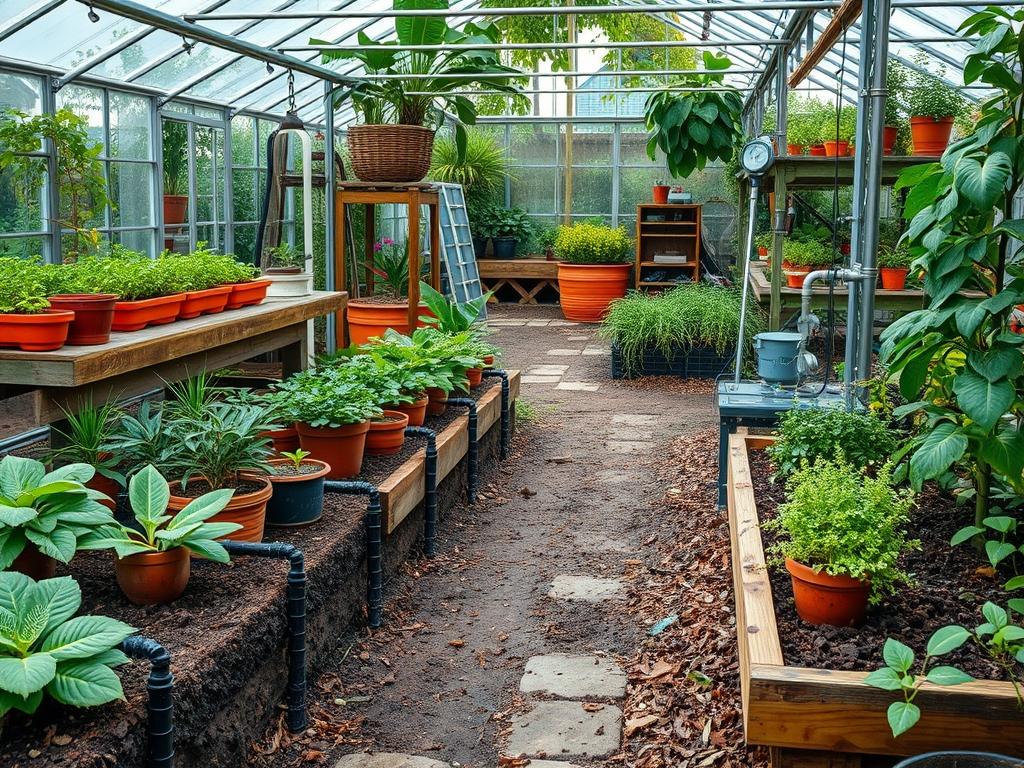
A well-executed landscape serves as the bridge between a home and the natural world, functioning as both an aesthetic centerpiece and a functional outdoor living space. Achieving this balance requires more than just an intuitive eye for color; it demands a rigorous understanding of site engineering, soil health, and hydrological management. When a modern landscape thrives, it is often due to a hidden network of technology that manages moisture levels with surgical precision. However, when the system fails, the impact on curb appeal and plant health can be immediate. Handling a quick and easy Smart Irrigation Pipe Repair becomes a critical skill for any property owner or manager who wishes to preserve their investment. Environmental factors like soil expansion, root pressure, and seasonal temperature fluctuations can stress even the most advanced systems. By integrating smart technology with traditional landscaping wisdom, we can create environments that are resilient, sustainable, and visually breathtaking.
Landscape Design Principles
In the realm of professional landscape architecture, we prioritize the concept of the “outdoor room.” This involves utilizing symmetry and focal points to guide the eye through the space. A focal point might be a mature Japanese Maple (Acer palmatum) or a custom-built stone fountain, but its success depends on the surrounding visual balance. We often use elevation layers to create depth. By placing taller Emerald Green Arborvitae at the perimeter and scaling down to Boxwood (Buxus) hedges and finally Creeping Thyme groundcover, we establish a sense of enclosure and privacy.
The most overlooked design principle is the “circulatory system” of the garden, which is the irrigation layout. Proper planning ensures that high-water-demand plants are clustered together in a practice known as hydro-zoning. This reduces waste and simplifies the infrastructure. When planning walkways or Retaining Walls, it is essential to map out where Schedule 40 PVC Pipe will run. Smart controllers now allow us to segment these zones digitally, but the physical design must remain accessible. If a leak occurs under a paved area, it ceases to be a quick and easy Smart Irrigation Pipe Repair. Therefore, we always recommend placing irrigation lines alongside paths rather than directly beneath them, using Sand Bedding to protect the lines from rocks and shifting soil.
Plant and Material Selection
Selecting the right biological components is the prerequisite for a low-maintenance landscape. We look for species that provide multi-seasonal interest while fitting the specific microclimate of the site.
| Plant Type | Sun Exposure | Soil Needs | Water Demand | Growth Speed | Maintenance Level |
| :— | :— | :— | :— | :— | :— |
| Lavender (Lavandula) | Full Sun | Well-Drained | Low | Moderate | Low |
| Hosta (Hosta spp.) | Shade to Part Sun | Rich, Moist | Medium | Moderate | Low |
| Switchgrass (Panicum virgatum) | Full Sun | Adaptable | Low | Fast | Minimal |
| Oakleaf Hydrangea | Part Shade | Acidic, Moist | Medium | Moderate | Medium |
| Stonecrop (Sedum) | Full Sun | Sandy/Rocky | Very Low | Moderate | Minimal |
| Blue Star Creeper | Full Sun to Part Shade | Moist | Medium | Fast | Low |
For hardscaping materials, we prioritize durability. Crushed Granite or Pea Gravel provides excellent drainage, while Natural Flagstone offers a timeless look for patios. When selecting Mulch, we prefer double-shredded hardwood at a depth of 3 inches. This depth is sufficient to retain moisture and suppress weeds without suffocating the root systems of your Perennials.
Implementation Strategy
The transition from a blueprint to a living garden requires a methodical implementation strategy. We begin with grading, which is the most critical step for preventing foundation damage. The ground should slope away from any structures at a minimum of 2 percent grade. Once the site is leveled, we mark the positions of all underground utilities. This is the stage where the irrigation backbone is installed.
For a successful layout, we use Edging made of steel or heavy-duty plastic to create clean lines between the turf and the planting beds. This prevents grass from encroaching on your Ornamental Grasses or Shrubs. During the installation of the irrigation system, we suggest using Swing Pipe for Rotor Heads. This flexible tubing protects the main Lateral Lines from being crushed by lawnmowers or foot traffic.
If you encounter a leak during the testing phase, you must perform a quick and easy Smart Irrigation Pipe Repair before the final Mulch and plants are placed. First, isolate the zone using your smart controller. Use a Square Point Shovel to carefully excavate the area, being mindful not to nick adjacent lines. Once the leak is found, use a PVC Pipe Cutter to remove the damaged section of the 1 inch pipe. A Slip Fix Telescoping Coupling is the professional choice here; it allows you to bridge the gap without needing to flex the pipe, which often leads to further cracks. Apply Purple Primer and Medium Blue PVC Cement to ensure a permanent, high-pressure seal.
Common Landscaping Failures
The most frequent failure we see in the field is poor drainage. Without a proper exit strategy for water, such as a French Drain or a Dry Well, plants will suffer from root rot, and soil will become compacted. Soil compaction is the silent killer of urban landscapes. When oxygen cannot reach the roots, even the most expensive Native Plants will fail to thrive. We recommend using a Core Aerator annually to mitigate this issue.
Another common mistake is improper spacing. It is tempting to plant closely for immediate impact, but this leads to root overcrowding and poor air circulation within three to five years. This stress often makes plants more susceptible to pests. Furthermore, irrigation inefficiencies, such as “head-to-head” coverage failures, lead to dry spots and wasted water. A smart system can alert you to a high-flow event, which usually indicates a broken head or a cracked pipe. Ignoring these alerts leads to localized flooding, which can wash away expensive Nutrient-Rich Topsoil and undermine the stability of Retaining Walls.
Seasonal Maintenance
Landscape management is a year-round commitment that changes with the sun’s trajectory. In the spring, the focus is on rejuvenation. This is when we perform Soil Testing, apply balanced Fertilizer, and clean up winter debris. It is also the best time to verify that your smart irrigation sensors are calibrated.
Summer maintenance revolves around water management and “deadheading” flowers to encourage secondary blooms. During periods of extreme heat, we monitor the smart controller for any signs of pressure drops that might suggest the need for a quick and easy Smart Irrigation Pipe Repair. Keeping the system running efficiently ensures that your Turfgrass stays resilient against heat stress.
Autumn is the season for planting and preparation. The soil is still warm, but the air is cool, which is ideal for root development in new Trees and Shrubs. We also perform “blow-outs” of the irrigation lines using an Air Compressor to prevent the pipes from freezing and bursting during the winter months. Winter maintenance is largely passive, though we do recommend “anti-desiccant” sprays for Evergreens to prevent moisture loss during cold, dry winds.
Professional Landscaping FAQ
How do I find a leak for a Smart Irrigation Pipe Repair?
Monitor your smart controller for high-flow alerts or zones that fail to pressurize. Walk the property looking for unusually lush green patches, “bubbling” soil, or sunken areas in the turf. These signs typically pinpoint the location of the subsurface fracture.
What is the best mulch for weed suppression?
A 3 inch layer of double-shredded hardwood mulch is highly effective. It mats together to block sunlight from reaching weed seeds while allowing water and oxygen to penetrate the soil. Avoid “volcano mulching” around tree trunks to prevent bark decay.
Why are my plants dying despite regular watering?
This is often caused by soil compaction or poor drainage. If the soil stays saturated, roots cannot breathe and will rot. Conversely, if the soil is too compacted, water runs off the surface without reaching the root zone of the Plants.
When should I prune my flowering shrubs?
Most shrubs should be pruned immediately after they finish blooming. Pruning too late in the season can remove the “buds” for the following year. However, for most Deciduous Trees, late winter dormancy is the safest time to perform major structural cuts.
Can I install a smart irrigation system myself?
While basic kits are available, a professional installation ensures proper Head Spacing and Backflow Prevention. A professional can also integrate Soil Moisture Sensors and Weather Stations that automatically adjust watering schedules based on real-time local climate data, saving significant water.