
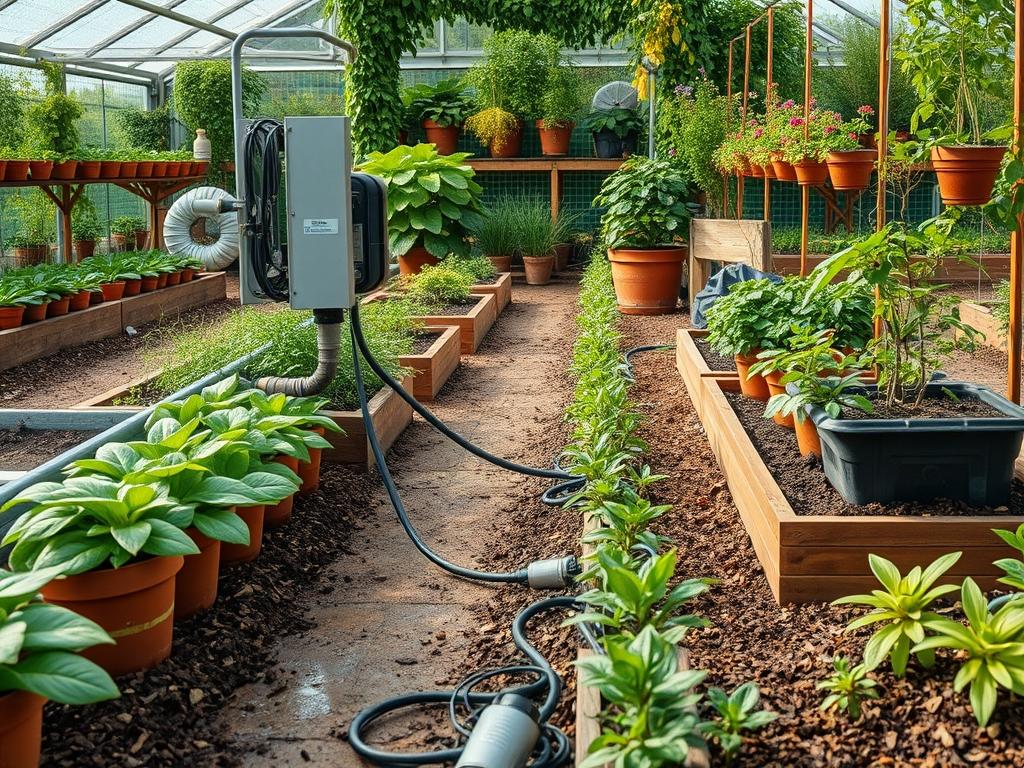
Maintaining a luxury landscape requires a delicate balance between artistic vision and technical precision. Homeowners often invest thousands of dollars into curated botanical displays, only to see their investment wither under inconsistent manual care or unpredictable weather patterns. Modern landscaping demands a more sophisticated approach. The integration of automated garden watering tech has evolved from a convenience into a fundamental necessity for preserving curb appeal and ensuring the longevity of high value specimens. Professional grade irrigation systems do more than just spray water; they manage soil moisture levels with surgical accuracy, adapting to evaporation rates and microclimates within a single property. When we design an outdoor environment, we look at the site as a living organism that requires a circulatory system capable of sustaining life during peak summer heat and dormant winter months alike.
The primary challenge in contemporary garden management is the shift toward extreme climate variability. A landscape that flourished a decade ago with minimal interference may now struggle against extended heat waves or sudden deluges. Strategic hydration management allows a designer to push the boundaries of plant selection, incorporating species that might otherwise be too sensitive for the local zone. By utilizing smart controllers and weather based sensors, we can create a resilient sanctuary that enhances the property value and provides a seamless transition between indoor and outdoor living. This systemic approach ensures that every Mulch bed, Retaining Wall planter, and manicured lawn receives the exact volume of water required to thrive without waste.
Landscape Design Principles
Effective landscape design relies on the core pillars of symmetry, focal points, and elevation layers. When I approach a new project, I first identify the primary architectural lines of the home. These lines dictate the placement of Specimen Trees and structural elements like Natural Stone Walkways. A well designed garden uses visual balance to guide the eye, employing taller elements in the background and shorter groundcovers in the foreground. This layering creates depth and highlights the hierarchy of the planting plan.
However, visual beauty must be supported by invisible infrastructure. Irrigation planning must happen concurrently with the aesthetic layout. We use a concept called hydrozoning, which involves grouping plants with similar hydration needs together. For example, drought tolerant Lavender should never be on the same zone as water hungry Hydrangeas. By aligning the automated garden watering tech with these botanical groupings, we prevent localized flooding and root rot. Furthermore, elevation plays a critical role. A sloped site requires pressure compensating Drip Emitters to ensure that plants at the top of the hill receive the same amount of water as those at the base. Without this technical foresight, the visual balance is quickly destroyed by uneven growth rates and patchy foliage.
Plant and Material Selection
The following table outlines common selections for modern landscapes, categorized by their environmental requirements and maintenance profiles. Selecting the right species for the specific microclimate of your yard is the first step toward a successful automated system.
| Plant Type | Sun Exposure | Soil Needs | Water Demand | Growth Speed | Maintenance Level |
| :— | :— | :— | :— | :— | :— |
| Boxwood Hedge | Full Sun to Shade | Well-Drained | Moderate | Slow | Medium |
| English Lavender | Full Sun | Sandy/Gravelly | Low | Medium | Low |
| Blue Fescue | Full Sun | Well-Drained | Low | Moderate | Very Low |
| Hosta | Full Shade | Organic Rich | High | Medium | Medium |
| Japanese Maple | Partial Shade | Loamy/Acidic | Moderate | Slow | High |
| Switchgrass | Full Sun | Adaptable | Low | Fast | Low |
In addition to plant life, the choice of inorganic materials is vital. Using a 2-inch layer of Hardwood Mulch or Crushed Granite helps retain soil moisture, allowing your automated garden watering tech to run less frequently. This conservation of resources is a hallmark of professional grade landscape architecture.
Implementation Strategy
The transition from a blueprint to a thriving garden requires a methodical implementation strategy. The first phase is always site grading. We ensure a minimum 2 percent slope away from the home foundation to prevent water accumulation. Once the grade is established, we install the primary hardscaping, including Garden Edging and Paver Patios. These permanent structures define the boundaries of our planting beds.
Next, we lay the subterranean infrastructure. This involves trenching for irrigation lines and installing Smart Solenoids that communicate with a central hub. In a modern backyard, we often use Subsurface Drip Irrigation for flower beds to minimize evaporation and prevent fungal growth on leaves. For lawn areas, high efficiency Rotary Nozzles are preferred because they deliver larger water droplets that are less susceptible to wind drift. After the hardware is in place, we enrich the soil with Organic Compost to a depth of 6 inches before placing the plants. The final step is the application of Geotextile Fabric in non-planted areas to suppress weeds, followed by a thick layer of top dressing.
Common Landscaping Failures
The most frequent mistake I see in residential landscapes is improper drainage. When water has nowhere to go, it pools around the root ball, displacing oxygen and essentially drowning the plant. This is often caused by a failure to account for soil compaction during the construction phase. Heavy machinery often packs the earth so tightly that it becomes as impermeable as concrete. Another common failure is root overcrowding. Designing a garden for the way it looks on day one, rather than how it will look in five years, leads to air circulation issues and competition for nutrients.
Irrigation inefficiency also plagues many DIY projects. Using a simple timer rather than a smart controller with a Rain Sensor lead to the sight of sprinklers running during a storm, which is both wasteful and damaging to the soil chemistry. Additionally, many homeowners fail to adjust their Nozzle Spray Patterns, resulting in water hitting the siding of the house or the middle of a concrete driveway. This not only wastes water but can lead to structural rot or unsightly mineral staining on the home exterior.
Seasonal Maintenance
Landscape management is a year round commitment that shifts with the seasons. In the spring, the priority is awakening the system. We flush the lines to clear any debris, check for winter damage to PVC Piping, and apply a fresh 3-inch layer of Mulch to prepare for the rising temperatures. This is also the time to test the Soil pH and apply slow release fertilizers that will be carried to the roots by the automated system.
Summer requires constant monitoring of the automated garden watering tech. We often increase the frequency of watering but shorten the duration to keep the top layers of soil cool. In autumn, maintenance shifts toward preparation for dormancy. We reduce the water frequency as plant metabolism slows down and begin the process of blowing out the irrigation lines in colder climates to prevent pipes from bursting. Finally, winter is the season for structural pruning and evaluating the performance of the landscape over the past year. We look for any “dead zones” where the automation may have failed and plan upgrades for the coming spring.
Professional Landscaping FAQ
How does smart irrigation improve my curb appeal?
Smart systems ensure consistent hydration, preventing patchy lawns and wilted flowers. By maintaining optimal soil moisture, plants grow more vigorously and maintain vibrant color throughout the hottest months, directly enhancing the visual value of your property.
What is the best way to prevent weeds in large beds?
A combination of Pre-emergent Herbicides, Geotextile Landscape Fabric, and a consistent 3-inch layer of Mulch is most effective. Automated drip systems also help by only watering the plants you want, leaving weed seeds in dry soil.
Can I integrate my watering tech with my smart home?
Yes. Most modern controllers connect via Wi-Fi to platforms like Amazon Alexa or Apple HomeKit. This allows you to monitor water usage, receive leak alerts, and adjust schedules remotely through a smartphone app from anywhere in the world.
Why is my lawn turning brown despite regular watering?
This is often due to soil compaction or poor drainage rather than a lack of water. If the roots cannot breathe, they cannot take up moisture. Core aeration and adjusting your Irrigation Zones can typically resolve this issue.
Is drip irrigation better than traditional sprinklers?
For garden beds and shrubs, yes. Drip Emitters deliver water directly to the root zone, reducing evaporation and preventing water from sitting on foliage, which significantly lowers the risk of powdery mildew and other fungal diseases.