
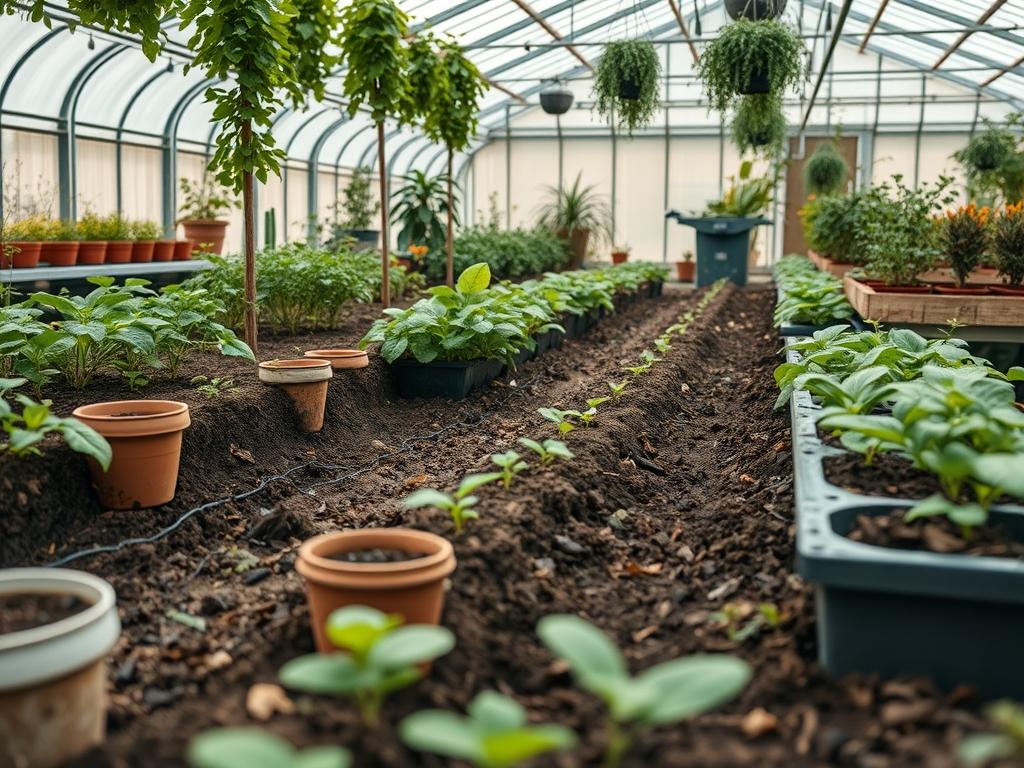
Modern landscaping is a sophisticated balance between architectural intent and biological necessity. As a senior landscape architect, I have observed that the primary cause of plant mortality is not a lack of interest or effort from the property owner, but rather a disconnect between the garden and the local environment. Traditional irrigation schedules and maintenance intervals are often based on static assumptions that ignore the volatility of contemporary weather patterns. This is where Smart Garden Weather Tracking becomes an essential tool for the professional and the enthusiast alike. By integrating real time environmental data into garden management, we bridge the gap between aesthetic goals and ecological reality. The objective is to create a landscape that not only enhances curb appeal but also maintains its health with minimal waste. Proper planning involves understanding how wind, humidity, and solar radiation interact with the specific topography of a site. A garden that survives a heatwave or an unseasonable frost without damage is a testament to the foresight of its designer.
Landscape Design Principles
Successful landscape design relies on a structured framework that guides the eye while supporting the life cycles of the vegetation. Symmetry and visual balance provide the initial impact that defines professional curb appeal. When we utilize a Symmetry approach, we are often mirroring plant groupings or hardscape elements across a central axis. However, this symmetry must be backed by functional irrigation planning. If one side of the garden receives more afternoon wind than the other, the water needs will differ despite the visual similarity. Smart Garden Weather Tracking provides the data necessary to adjust these microclimate zones independently.
Focal points serve as the anchor of the outdoor environment. Whether it is a specimen tree like a Blue Atlas Cedar or a custom Retaining wall feature, these elements draw attention and set the scale for the rest of the installation. Surrounding these focal points, we utilize Elevation layers to create depth. This involves planting taller species toward the rear and shorter groundcovers in the foreground. This layering is not merely for show; it creates a canopy effect that protects more sensitive root systems from direct sun exposure.
Irrigation planning must be integrated at the blueprint stage. This means mapping out Drip lines and Spray heads based on the specific water requirements of each zone. We no longer rely on simple timers. Instead, we use Smart irrigation controllers that pause watering cycles based on high-speed wind alerts or forecasted rainfall. Walkways and hardscape surfaces should be designed with a 1 percent to 2 percent slope to ensure that water moves toward planting beds or drainage systems rather than pooling on stone surfaces. This prevents the deterioration of pavers and the formation of ice hazards during the winter months.
Plant and Material Selection
Selecting the right plant for the right place is the most critical decision in garden longevity. The following table provides a reference for diverse landscape roles and their requirements.
| Plant Type | Sun Exposure | Soil Needs | Water Demand | Growth Speed | Maintenance |
| :— | :— | :— | :— | :— | :— |
| Japanese Maple | Partial Shade | Well-drained, acidic | Moderate | Slow | Medium |
| Lavender | Full Sun | Sandy, alkaline | Low | Medium | Low |
| River Birch | Full Sun/Part Shade | Moist, loamy | High | Fast | Medium |
| Boxwood | Full Sun/Part Shade | Loamy, well-drained | Moderate | Slow | High (Pruning) |
| Blue Fescue | Full Sun | Poor to average | Low | Medium | Low |
| Hosta | Full Shade | Rich, organic | Moderate | Medium | Low |
| Echinacea | Full Sun | Average, dry to medium | Low | Fast | Low |
For hardscaping, the use of Crushed granite, River rock, and Permeable pavers allows for better water infiltration. When selecting Mulch, we recommend a Hardwood bark mulch applied at a 3-inch depth. This depth is specific; it is thick enough to suppress weeds and retain moisture, but thin enough to allow oxygen exchange for the roots.
Implementation Strategy
The transition from a design on paper to a physical landscape requires a systematic approach. The first step is Grading. A professional site must be graded to move water away from the foundation of the home. We typically aim for a 5 percent slope for the first 10 feet away from the house. Once the grade is established, we install the Drainage infrastructure. This includes 4-inch NDS catch basins and Perforated drain pipes wrapped in filter fabric to prevent siltation.
After the bones of the landscape are set, the Smart Garden Weather Tracking hardware is installed. This usually involves mounting an Anemometer to track wind speed, a Hygrometer for humidity, and a Rain gauge for localized precipitation data. These sensors connect to a central WiFi Hub, which communicates with the irrigation system.
When planting, we dig holes that are 2 times the width of the root ball but no deeper than its height. This ensures that the root flare remains at the surface to prevent rot. We incorporate Soil amendments like compost or peat moss depending on the initial Soil pH test results. Once the plants are in the ground, a 12-inch diameter ring of mulch is placed around each trunk, keeping the material a few inches away from the bark to prevent fungal infections.
Common Landscaping Failures
The most frequent failure I encounter in the field is improper drainage. When water collects at the base of a plant, it displaces the air in the soil, leading to Root rot. This is often caused by the use of Plastic landscape fabric, which becomes clogged with fine particles over time and prevents water from penetrating the soil.
Another common mistake is Root overcrowding. Homeowners often plant for immediate fullness without considering the mature spread of the species. A Leyland Cypress that looks small in a 3-gallon pot will eventually have a 15-foot spread, which can crowd out neighboring plants and lead to air stagnation.
Soil compaction is a silent killer in new construction. Heavy machinery compresses the earth, destroying the pore spaces required for root growth. If the soil is not properly tilled and aerated before planting, even the most expensive specimens will struggle. Finally, Irrigation inefficiencies contribute to significant plant loss. Over-watering is just as dangerous as under-watering. Without Smart Garden Weather Tracking, many systems run during rainstorms, which is not only wasteful but can also leach essential nutrients from the soil.
Seasonal Maintenance
Landscape management is a year-round commitment that changes with the tilt of the earth. In the Spring, the focus is on recovery and preparation. We perform Core aeration on the turf and apply a Pre-emergent herbicide to prevent weed seeds from germinating. This is also the time to recalibrate your Weather station sensors to ensure they are ready for the growing season.
During the Summer, the priority shifts to hydration management. Smart Garden Weather Tracking becomes invaluable here, as it calculates the Evapotranspiration (ET) rate. This tells you exactly how much water is being lost to the atmosphere so you can replace it precisely. We increase the height of mower blades to 3.5 inches to shade the soil and reduce heat stress on the grass.
In the Autumn, we focus on fortification. This is the best time for Overseeding and applying a High-potash fertilizer to strengthen roots for the winter. We also prune dead or diseased branches from trees to prevent wind damage during winter storms. Bulbs like Tulips and Daffodils are planted at a depth of 6 inches during this period.
Winter maintenance involves protection. We use Burlap wraps for sensitive evergreens to prevent Winter burn caused by desiccation from cold winds. It is also important to clear heavy snow from the limbs of brittle trees using a Soft broom. Your Smart weather alerts will help you anticipate sudden drops in temperature, allowing you to cover tender perennials before the frost hits.
Professional Landscaping FAQ
How does weather tracking save money on plants?
By monitoring Soil moisture and Evapotranspiration, the system prevents both drought stress and over-watering. This precision extends the lifespan of expensive specimens and reduces water utility costs by eliminating irrigation during and after significant rainfall events.
What is the best way to handle poor drainage?
Install a French drain or a Dry creek bed using River rock and 3-inch gravel. Ensure the area is graded at a 2 percent minimum slope to direct water toward a municipal drain or a designated rain garden.
Why are my newly planted trees dying?
The most likely causes are Girdling roots, planting too deeply, or lack of consistent moisture. Use a Tensiometer to check moisture at a 12-inch depth and ensure the Root flare is visible above the soil line.
Can smart sensors work in a large yard?
Yes, but you may need Signal repeaters or multiple Soil moisture sensors for different zones. Large landscapes often have distinct microclimates; a shaded north-facing hill has different needs than a flat, sun-drenched southern expanse.
What mulch should I use for moisture retention?
Use Coarse-textured organic mulch, such as shredded cedar or pine bark. Apply it to a 3-inch depth. This material breaks down over time, improving soil structure while providing a thermal blanket that regulates root temperatures throughout the seasons.