
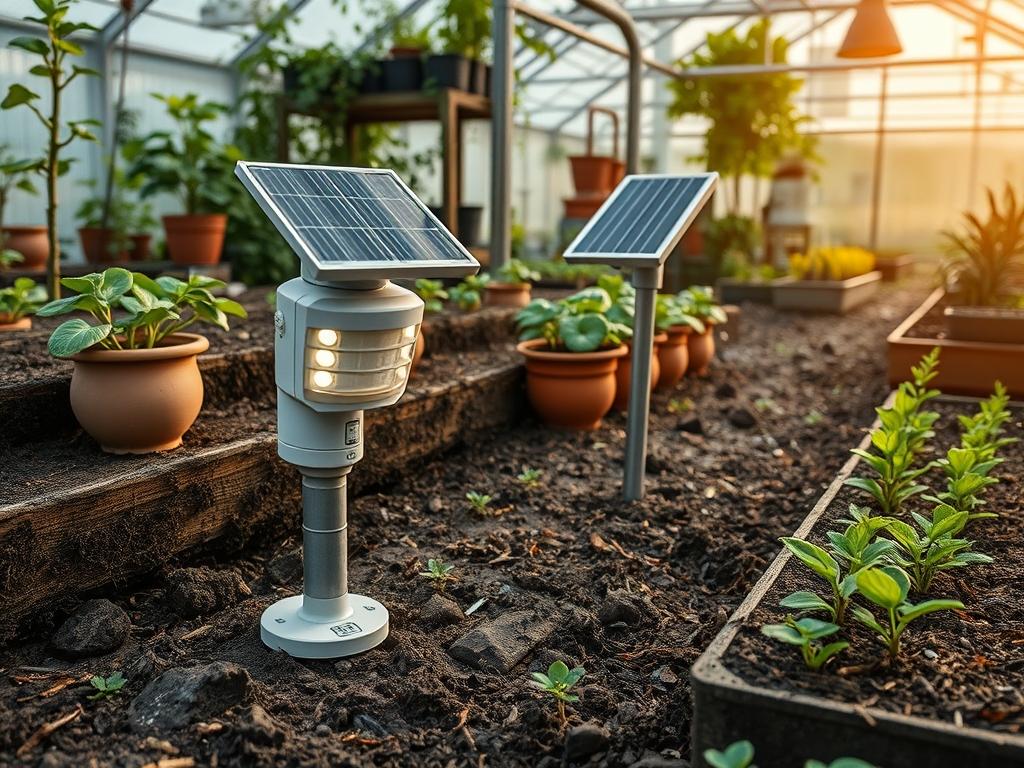
Developing a cohesive outdoor environment requires a delicate balance between biological vitality and structural permanence. For the modern homeowner or commercial property manager, the challenge lies in extending the functionality of a site beyond sunset while maintaining environmental consciousness. Curb appeal is no longer just about the vibrant greens of a well manicured lawn during the day; it is defined by how light interacts with the textures of stone and foliage at night. Integrating Solar Powered Light Sensors into a landscape design allows for an automated transition that enhances safety and highlights architectural features without the logistical burden of extensive electrical trenching. These sensors act as the intelligence of the garden, detecting ambient light levels to activate illumination only when necessary. This precision ensures that energy captured during the peak sun hours is utilized efficiently, providing a sustainable solution for illuminating walkways and perimeter boundaries. When planning these installations, one must consider the microclimates of the property, as shadows cast by the building or dense tree canopies can significantly impact the charging capacity of the internal photovoltaic cells.
Landscape Design Principles
Professional landscape architecture relies on the foundational concepts of symmetry and visual hierarchy to create a sense of order. When placing elements like Solar Powered Light Sensors, they should be positioned to reinforce the existing geometry of the site. If a walkway is flanked by Japanese Boxwoods, the lighting should follow a rhythmic spacing that guides the eye toward a focal point, such as a water feature or a specimen tree like a Bloodgood Japanese Maple. Visual balance is achieved by layering light at different elevations. High level illumination might come from lanterns mounted on retaining walls, while mid level light grazes the textures of ornamental grasses. Ground level sensors are essential for defining the edges of hardscaped paths, preventing the visual “drop off” that occurs in unlit spaces.
Symmetry does not always imply a mirror image, but rather a balanced distribution of visual weight. For instance, if a large Blue Spruce occupies the left side of a view, the right side may be balanced by a cluster of smaller shrubs and a strategically placed stone bench. Irrigation planning must occur simultaneously with the lighting layout. You must ensure that the placement of sprinkler heads does not result in constant water saturation of the sensor housing, even if the units are rated for outdoor use. Proper elevation planning ensures that water drains away from both the plant roots and the bases of light fixtures, preventing the accumulation of mineral deposits on the sensor lenses that could impair their sensitivity.
Plant and Material Selection
Selecting the right biological components is critical for a low maintenance, high impact landscape. The following table provides a professional baseline for common zones.
| Plant Type | Sun Exposure | Soil Needs | Water Demand | Growth Speed | Maintenance Level |
| :— | :— | :— | :— | :— | :— |
| Buxus sempervirens | Full to Part Sun | Well drained, Loamy | Moderate | Slow | Moderate (Pruning) |
| Lavandula angustifolia | Full Sun | Gritty, Alkaline | Low | Moderate | Low (Deadheading) |
| Miscanthus sinensis | Full Sun | Adaptive | Moderate | Fast | Low (Annual Cutback) |
| Hostas | Full Shade | Rich, Organic | High | Moderate | Low |
| Cornus sericea | Part Sun | Moist, Clay | High | Fast | Moderate |
In addition to plant life, selecting durable hardscape materials is vital. Use natural flagstone or precast concrete pavers for walkways to provide a stable foundation for perimeter lighting. When choosing Solar Powered Light Sensors, look for units housed in anodized aluminum or stainless steel to resist corrosion from soil acidity and moisture.
Implementation Strategy
The successful execution of a landscape plan begins with proper site grading. Before any plants are installed or sensors are placed, the land must be sloped at a minimum of 2 percent away from the home foundation to ensure adequate drainage. Once grading is complete, the use of heavy duty landscape fabric can help suppress weed growth, although it is often skipped in favor of thick organic mulch in high density planting beds.
Begin by marking the perimeter of your “islands” or garden beds using a flexible garden hose or specialized marking paint. Once the shapes are established, install 4 inch deep steel edging to create a clean break between the turf and the planting area. This prevents grass from encroaching on your French drain systems or light fixtures. Dig your planting holes twice as wide as the root ball but no deeper than the original container to avoid settling. After the plants are in the ground, install the Solar Powered Light Sensors at intervals of 6 to 8 feet along the primary paths. Ensure the sensors are not blocked by the maturing foliage of nearby shrubs. Finally, apply a 3 inch layer of hardwood mulch to retain moisture and regulate soil temperature, taking care to keep the mulch away from the direct stems of the plants and the base of the lighting units.
Common Landscaping Failures
The most frequent error in outdoor design is failing to account for the mature size of plant species. What looks like a well spaced garden in year one can become a tangled, overcrowded mess by year five. This “root overcrowding” leads to competition for nutrients and water, often resulting in the death of the less hardy species. Furthermore, improper spacing can create “blind spots” for Solar Powered Light Sensors, where overgrown branches shade the solar panels, rendering them ineffective.
Drainage mistakes are equally catastrophic. If a site is not graded correctly, water creates “pooling” areas that lead to root rot and anaerobic soil conditions. This excess moisture can also migrate into the internal compartments of cheaper lighting fixtures, causing short circuits in the LED drivers. Soil compaction is another silent killer; when heavy machinery or constant foot traffic compresses the earth, it destroys the macropores necessary for oxygen to reach the root systems. To mitigate this, incorporate expanded shale or organic compost into the soil during the initial tilling phase to improve aeration and capillary action.
Seasonal Maintenance
Landscape management is a year round commitment that shifts with the seasons. In the Spring, the focus is on rejuvenation. This is the time to apply pre-emergent herbicides to prevent weed seeds from germinating and to perform “deadheading” on perennials. Inspect your Solar Powered Light Sensors for any damage sustained during the winter and wipe the lenses with a soft cloth to ensure maximum light absorption.
During the Summer, irrigation management is paramount. Ensure that your automatic timers are adjusted for higher temperatures, and check for signs of heat stress in shade loving plants. Autumn is the season for “dormant pruning” and the installation of spring blooming bulbs. It is also the time to rake leaves away from the base of light sensors, as decomposed leaf litter can become a breeding ground for pests and fungi. In the Winter, protect sensitive evergreens from “winter burn” using burlap wraps and ensure that snow is cleared away from the solar panels of your lighting system to allow for continued charging during the short daylight hours.
Professional Landscaping FAQ
How do I choose the right location for sensors?
Identify areas with at least 6 hours of direct sunlight. Avoid placing sensors directly under the eaves of the house or beneath dense tree canopies, as this will prevent the lithium-ion batteries from reaching a full charge for nighttime use.
What is the best way to prevent weeds?
Utilize a combination of mechanical barriers and organic mulch. A 3 inch layer of cedar mulch provides an effective shield against sunlight, which prevents weed seeds from germinating while simultaneously improving the soil structure as it decomposes over time.
Can solar sensors work in rainy climates?
Yes, modern sensors are designed with IP65 or higher waterproof ratings. While cloud cover reduces the rate of charging, high quality monocrystalline solar panels are still capable of harvesting diffused light to power the low draw LED bulbs.
How often should I replace solar batteries?
Typically, the specialized rechargeable batteries inside these units last between 2 and 3 years. If you notice the light duration decreasing significantly, it is likely time to swap the internal cells for new ones to maintain consistent performance.
Why are my plants dying near my walkway?
This is often caused by soil alkalinity from concrete runoff or salt damage from winter de-icing agents. Switch to calcium magnesium acetate for ice melting and regularly test the soil pH to ensure it remains within the optimal range.